Health Tips for Manaus Travelers
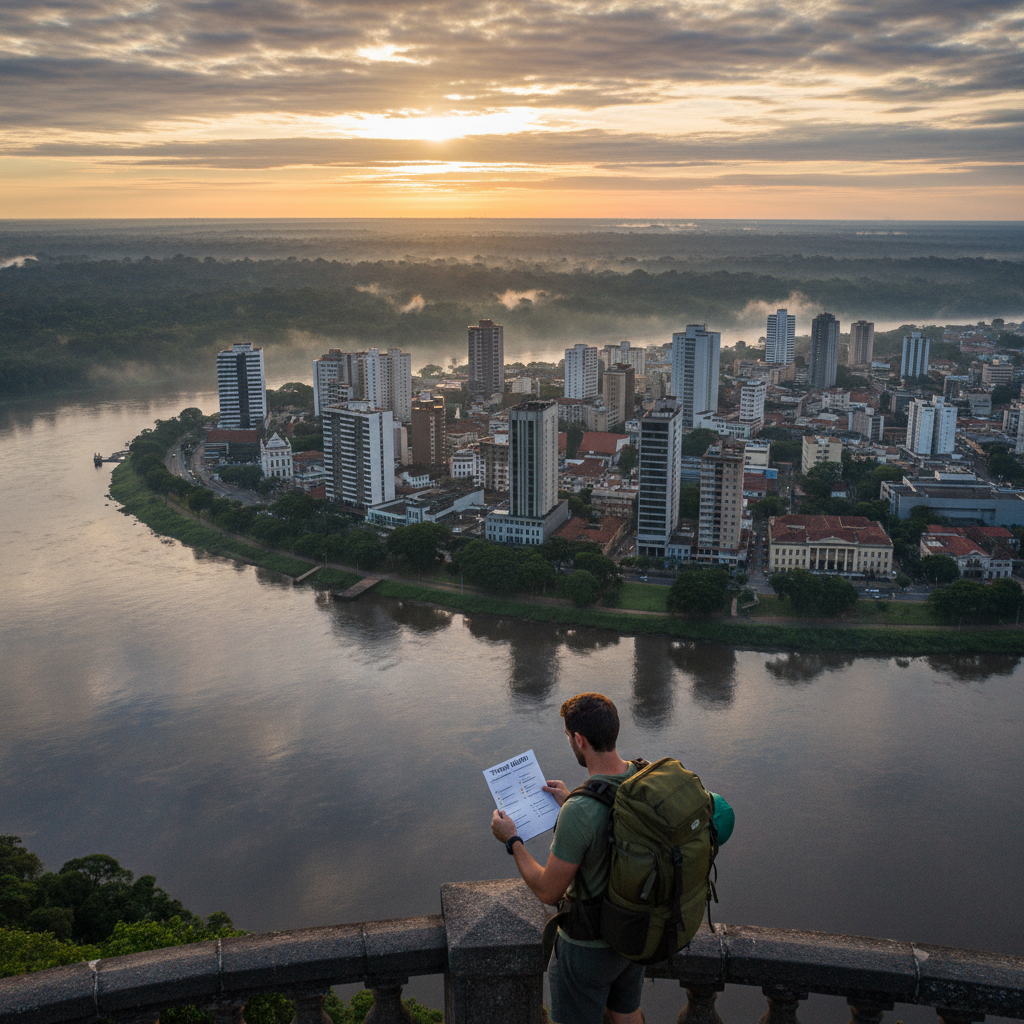
Thinking about heading to Manaus, Amazonas — gateway to the Brazilian Amazon — and suddenly realizing you have no idea what shots, pills, or precautions you actually need? You’re not alone.
Manaus is incredible: jungle rivers, Amazon Rainforest tours, pink river dolphins, and humid air that feels like you’re walking inside a hot cloud. It’s also a place where you really don’t want to wing it with your health.
This guide walks you through practical, traveler-friendly health recommendations for Manaus and the Amazon region of Brazil: vaccines, malaria, food and water safety, heat, mosquitoes, and what to pack in your health kit.
1. Start With the Basics: Routine and Travel Vaccines
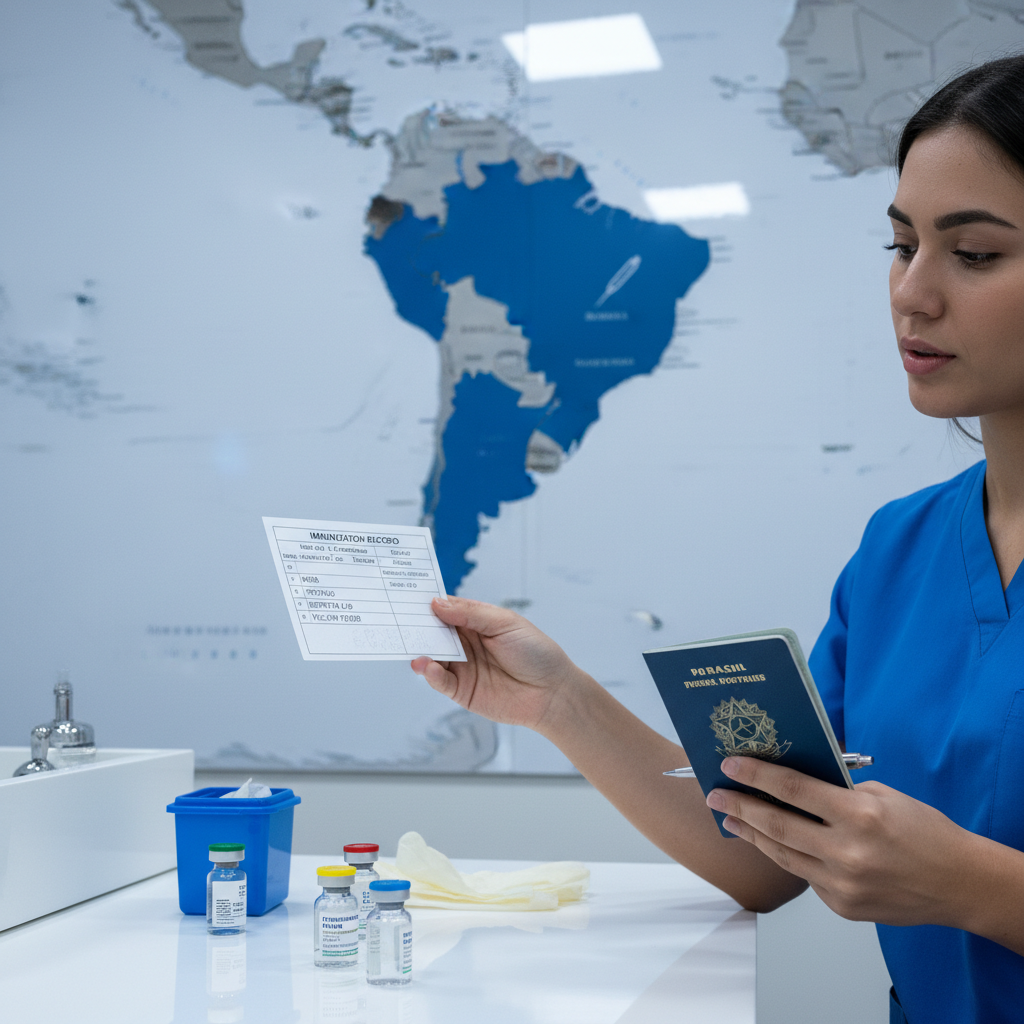
Before worrying about exotic jungle diseases, make sure your routine vaccines are up to date. That usually includes:
- MMR (measles, mumps, rubella)
- Tdap (tetanus, diphtheria, pertussis)
- Polio
- Seasonal flu
- COVID-19 (if recommended/available in your country)
For travel-specific vaccines commonly recommended for Manaus / Amazonas, many health authorities and travel clinics often discuss:
- Hepatitis A – for food and water safety.
- Typhoid – especially if you’ll be eating street food or traveling to more remote areas.
- Hepatitis B – for longer stays, medical work, or possible exposure to blood/needles.
- Rabies – considered for people going deep into the jungle, cavers, researchers, or anyone who might be far from medical care and around animals.
Takeaway: Don’t skip the basics. A quick vaccine check-up before your Amazon adventure is one of the easiest big wins for your health.
2. Yellow Fever: Do You Need the Vaccine for Manaus?
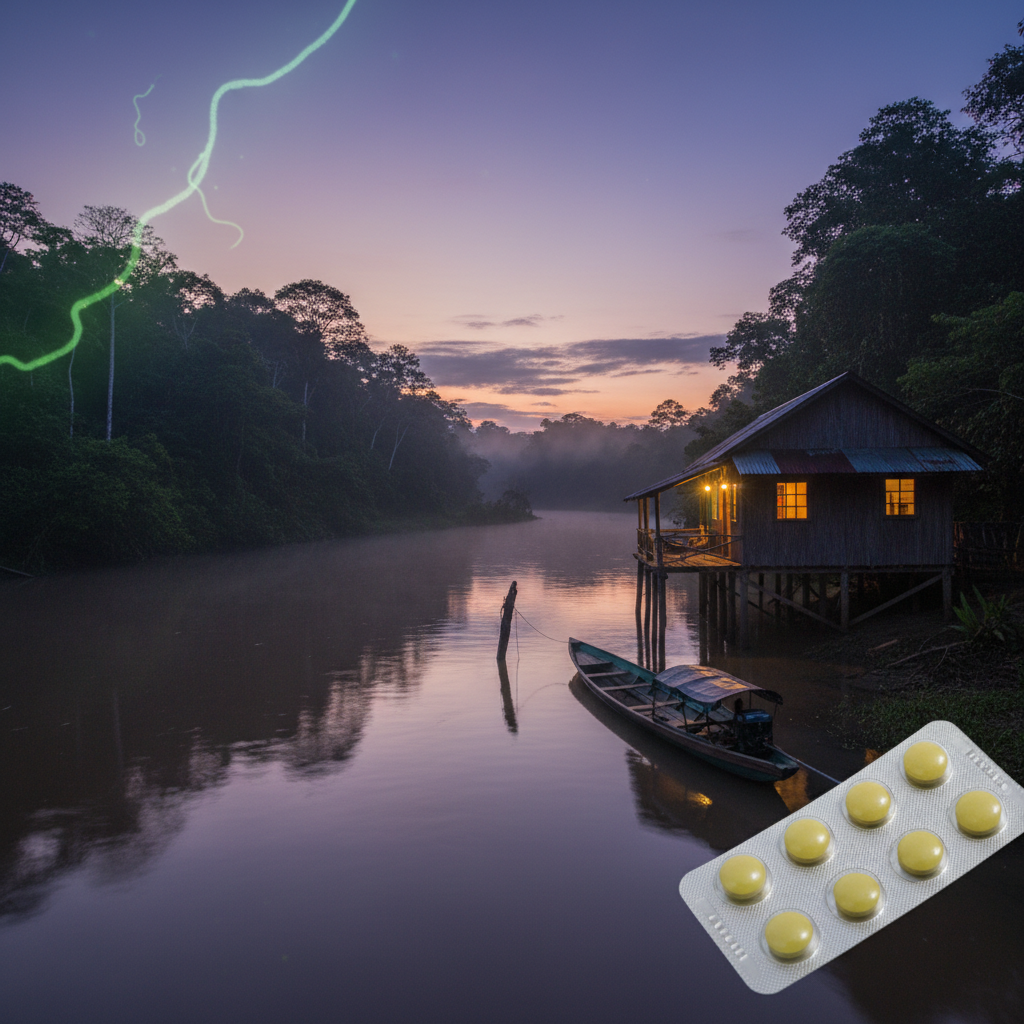
Manaus and much of the Amazonas state are generally considered yellow fever risk areas. Many travelers are strongly advised to get the yellow fever vaccine if they’re going to the Amazon region.
Key points:
- Get vaccinated at least 10 days before travel so it’s fully effective.
- Many countries may require proof of yellow fever vaccination (the yellow card) if you are arriving from or transiting through a risk area, including parts of Brazil.
- The vaccine is usually a single lifetime dose for most people, but your doctor will confirm what’s recommended in your situation.
Not everyone can receive this vaccine — for example, some people with weakened immune systems, certain allergies, or specific medical conditions — so it’s important to ask a travel medicine specialist or your doctor.
Takeaway: For Manaus and the Amazon, yellow fever vaccination is often a key item on the checklist. Confirm your personal need with a professional.
3. Malaria in the Amazon: What’s the Real Risk?
Here’s the honest version: Malaria risk exists in parts of the Amazon region, especially in more rural or forested areas, river communities, or deeper jungle lodges. The risk within central urban Manaus itself is typically lower than in remote areas, but many travelers use Manaus as a launch pad for multi-day Amazon river or jungle trips — and that’s where malaria becomes more relevant.
Health professionals may recommend:
- Malaria prevention pills (chemoprophylaxis) if you’re heading to high-risk areas outside central Manaus, such as remote rivers, jungle lodges, or small communities.
- Different medications are used globally (like atovaquone-proguanil, doxycycline, or others), each with pros and cons.
This is very specific to your itinerary:
- Only staying in central Manaus in standard hotels? The recommendation might be different.
- Spending nights in jungle lodges, boats, or villages? The chance of being advised malaria pills is higher.
This is exactly the kind of thing where you should:
- Bring your full route (Manaus + side trips) to a travel clinic.
- Ask, “Based on this exact itinerary, do I need malaria tablets?”
Takeaway: Don’t guess on malaria. Your planned activities around Manaus matter more than the city name alone.
4. Mosquito Protection: Not Just About Malaria
Mosquitoes in Manaus and the Amazon can also transmit dengue, Zika, and chikungunya in some regions, depending on current outbreaks.
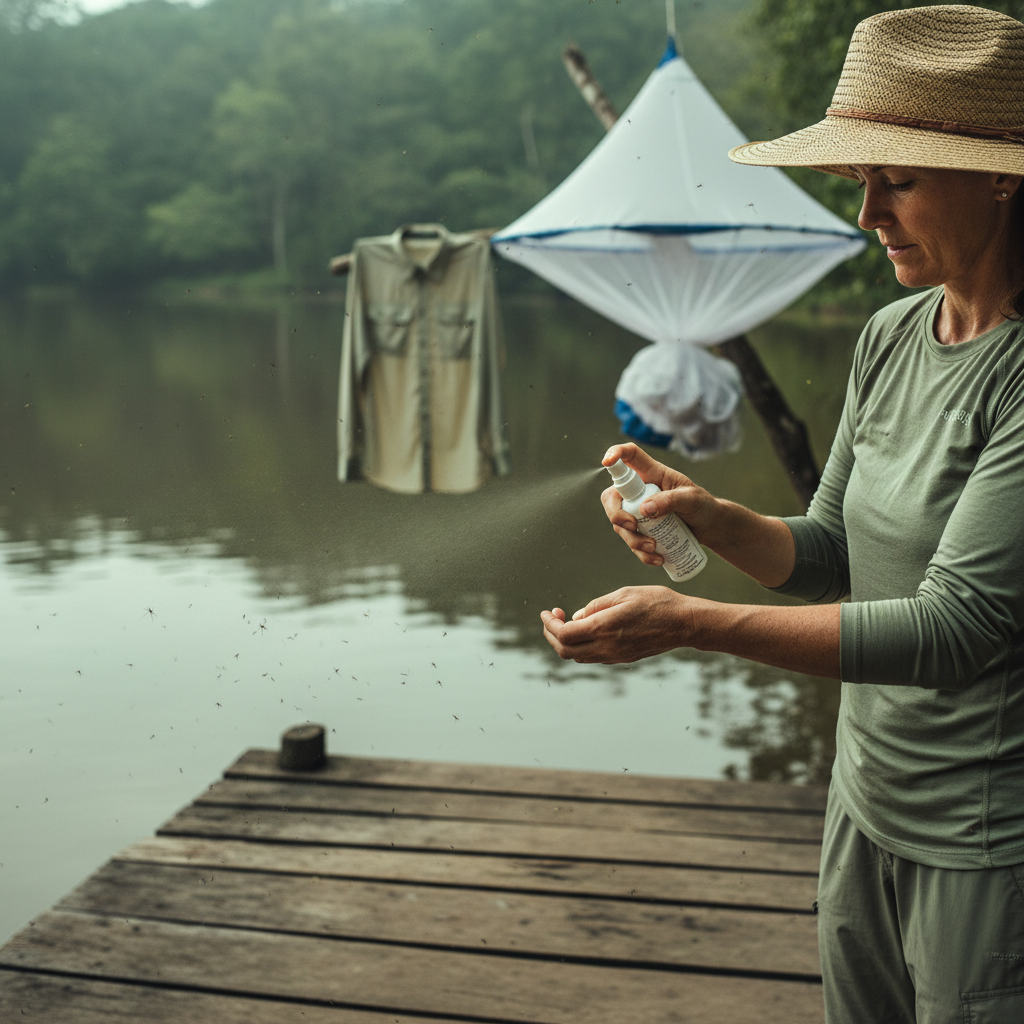
Even if you’re not taking malaria pills, strong mosquito protection is non‑negotiable:
What to use
- Insect repellent with DEET, picaridin, or another effective ingredient (follow label instructions).
- Long sleeves and long pants, especially at dawn and dusk or on river trips.
- Light‑colored clothing can help you see mosquitoes more easily.
- Consider permethrin‑treated clothing (or buy pre-treated travel clothes) if you’re going deep into the rainforest.
- Stay in accommodations with screens and/or air-conditioning, or use a bed net if needed.
Real‑world example:
- City-only traveler: Might mostly apply repellent when going out in the evening, for city walks, markets, and riverfront.
- Jungle lodge traveler: Likely wears long sleeves/pants in the early morning and evening, sleeps with a bed net, and keeps repellent handy all day.
Takeaway: Act like mosquitoes are part of the welcome committee and you’re politely declining the invitation.
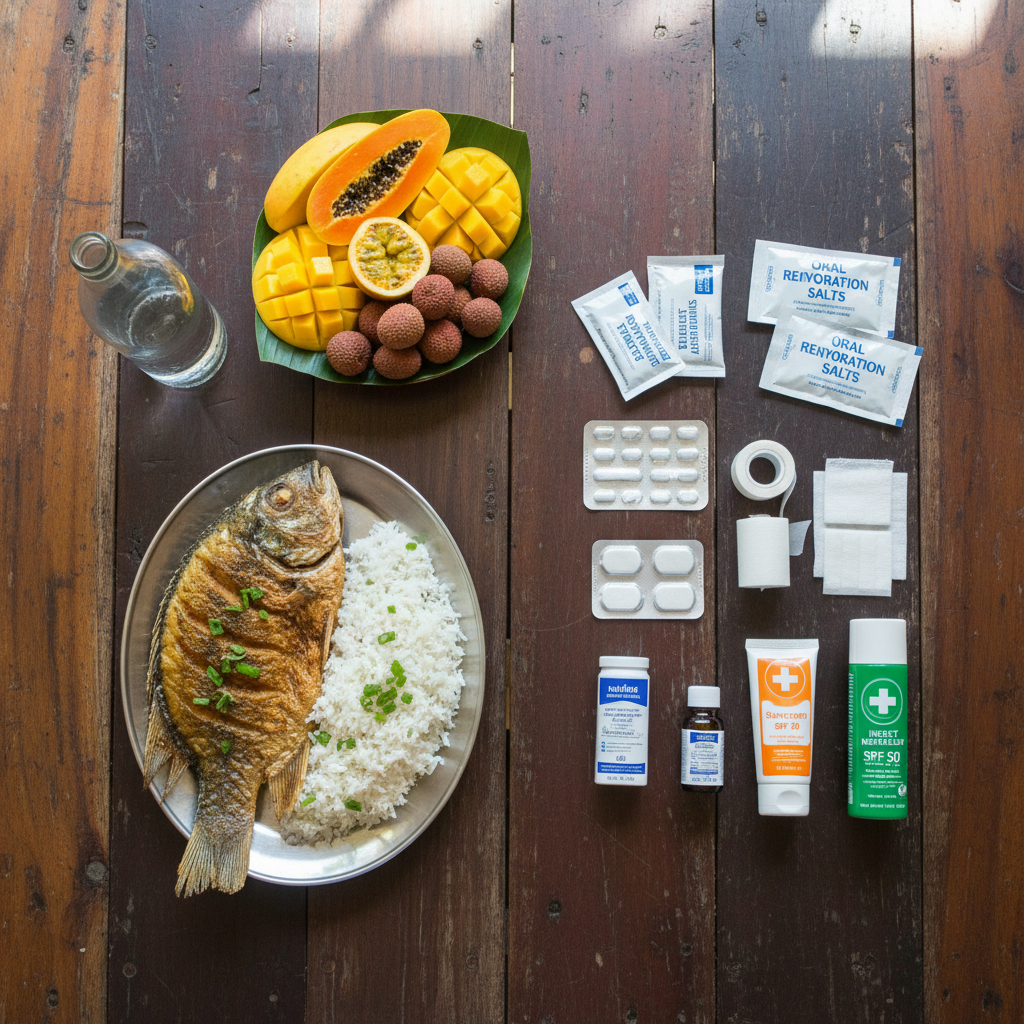
5. Food, Water, and Amazon Stomach Survival
Manaus has great food — fresh fish, açaí, tropical fruits — but sudden stomach problems can ruin your trip.
Basic food and water safety tips:
- Prefer bottled, filtered, or boiled water; avoid untreated tap water unless you know it’s safe.
- Be cautious with ice if you’re unsure of the water source.
- Eat freshly cooked, hot foods rather than foods that have been sitting out.
- Be a bit selective with street food: look for busy stalls where food turnover is high and cooked in front of you.
- Peel your own fruits when possible.
Consider carrying:
- Oral rehydration salts or electrolyte packets.
- Anti-diarrheal medication (ask your doctor which is safe for you and when to use it).
Example scenario:
If you get mild traveler’s diarrhea, having rehydration salts and a basic plan can mean a quiet afternoon in your hotel — not an emergency.
Takeaway: Respect the local cuisine, but don’t test your digestive system’s bravery on day one.
6. Heat, Humidity, and Dehydration: The Silent Trouble
Manaus is hot and very humid. Even short walks can feel intense if you’re not used to tropical conditions.
To stay safe:
- Drink water regularly throughout the day, not just when you feel thirsty.
- Take breaks in the shade or indoors, especially midday.
- Wear light, breathable clothing, a hat, and sunglasses.
- Use a broad‑spectrum sunscreen and reapply frequently (sweat and river trips will wash it away fast).
Watch for signs of heat exhaustion:
- Dizziness, headache, heavy sweating, nausea, weakness.
If that happens, move to a cool place, drink fluids, rest, and seek medical attention if symptoms don’t improve.
Takeaway: In Manaus, “just a short walk” can feel like a workout. Hydration is your new hobby.
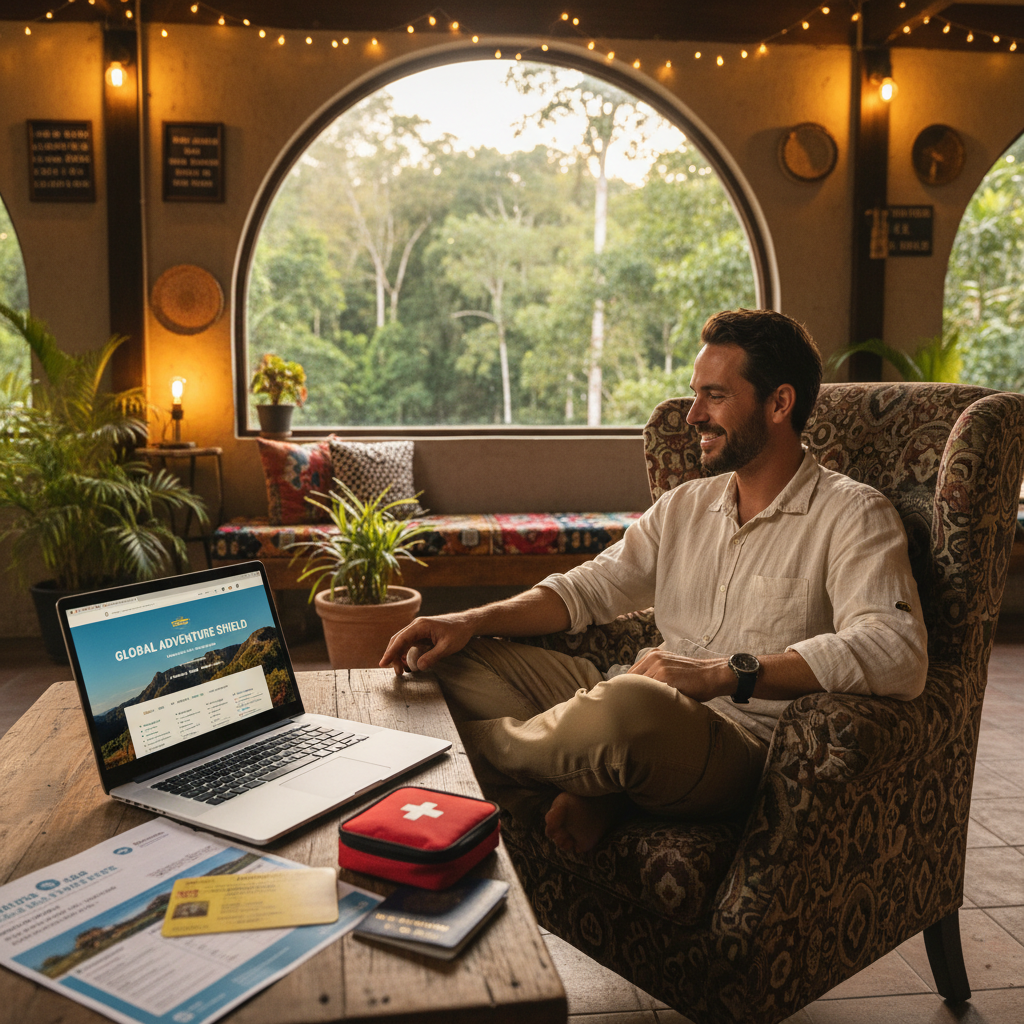
7. Packing a Small Amazon Health Kit
You don’t need a mobile pharmacy, but a simple health kit can save you a lot of hassle:
Suggested items:
- Your regular prescription medications (plus extra days, just in case)
- Basic pain reliever/fever reducer
- Anti-diarrheal medication and oral rehydration salts
- Antihistamine (for allergies or mild reactions)
- Small first-aid kit: bandages, antiseptic wipes, blister care
- Strong insect repellent
- Sunscreen and lip balm with SPF
- Hand sanitizer and a few masks if you prefer/use them in crowds
If you have chronic conditions (for example, asthma, heart issues, diabetes):
- Bring enough medication for your whole trip plus backup.
- Carry a summary of your medical history and medication list.
- Know where the nearest hospital or clinic is in Manaus that suits your needs.
Takeaway: A smartly packed zip‑bag of essentials can turn a potential nightmare into a minor inconvenience.
8. Travel Insurance and Medical Care in Manaus
It’s easy to overlook, but travel health insurance that covers Brazil (including emergency evacuation, if you’re going deep into the Amazon) is a very good idea.
Things to consider:
- Does your plan cover emergency treatment in Manaus?
- Does it cover medical evacuation if you’re in a remote Amazon area?
- Do you have 24/7 support numbers saved in your phone and printed somewhere?
Manaus has hospitals and clinics, but if you’re spending time in small riverside communities or remote jungle lodges, access to advanced medical care may be limited or take time.
Takeaway: Insurance is the boring part of trip planning — until you actually need it.
9. Before You Go: Talk to a Travel Health Professional
Every traveler is different. Age, pregnancy, chronic illnesses, immune status, trip length, and specific excursions (e.g., multi-day jungle treks vs. city-only business trips) all change what’s recommended.
Ideally, schedule a travel clinic or doctor visit 4–6 weeks before departure to Manaus so you have time to:
- Update routine vaccines.
- Get yellow fever and other recommended vaccines.
- Decide on malaria prevention, based on your exact route.
- Discuss any personal risks (pregnancy, chronic conditions, allergies).
Bring:
- Your itinerary (dates, areas around Manaus, jungle lodge names if you have them).
- A list of medications you already take.
- Any past vaccine records you have.
Takeaway: A 30-minute travel health appointment can prevent a lot of stress — and possibly a hospital visit — once you’re in the Amazon.
10. Final Thoughts: Enjoy Manaus, Safely
Manaus and the Amazon region of Brazil can be one of the most unforgettable trips of your life — sunrise on the river, rainforest sounds at night, new foods, new cultures.
Staying healthy there is less about being scared and more about being prepared:
- Get the right vaccines for Manaus and Amazonas.
- Protect yourself from mosquitoes and heat.
- Be smart with food and water.
- Pack a simple health kit and consider travel insurance.
Do your homework, talk to a professional, then go enjoy the jungle.
Safe travels — and may your biggest problem in Manaus be deciding which incredible Amazon tour to book next.
Leave a Reply