Amazon Vine: Pros, Cons, and Pitfalls
Thinking about joining Amazon Vine but not sure if it’s a golden growth hack or a fast track to one‑star heartbreak?
You’re not alone.
Amazon Vine has a bit of a reputation: some sellers swear it helped them launch products from zero to hundreds of reviews, others say it drained their margins and attracted brutal critics. The truth sits somewhere in the messy middle.
In this post, we’ll walk through the pros and cons of Amazon Vine so you can decide if it’s worth it for your products and margins—not just because some random YouTube guru said it’s “OP in 2026.”
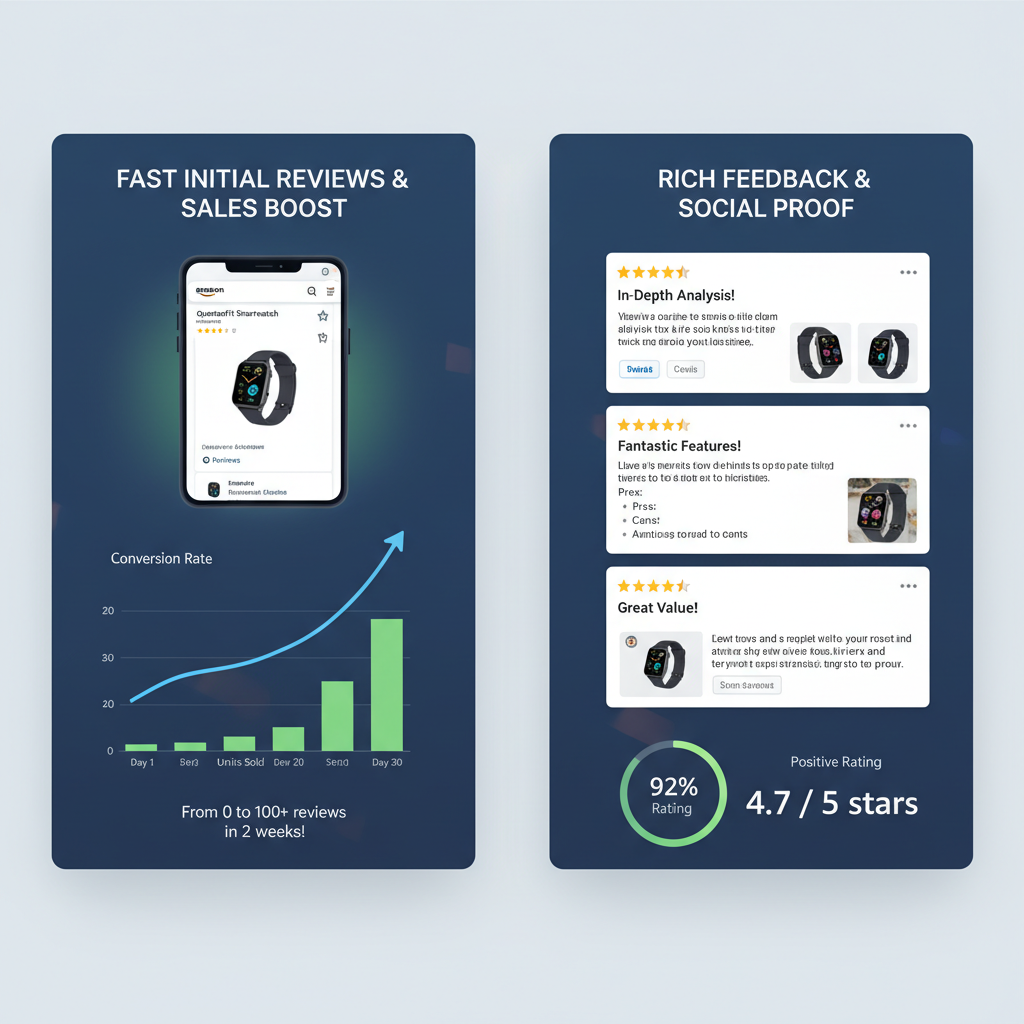
What Is Amazon Vine, Really?
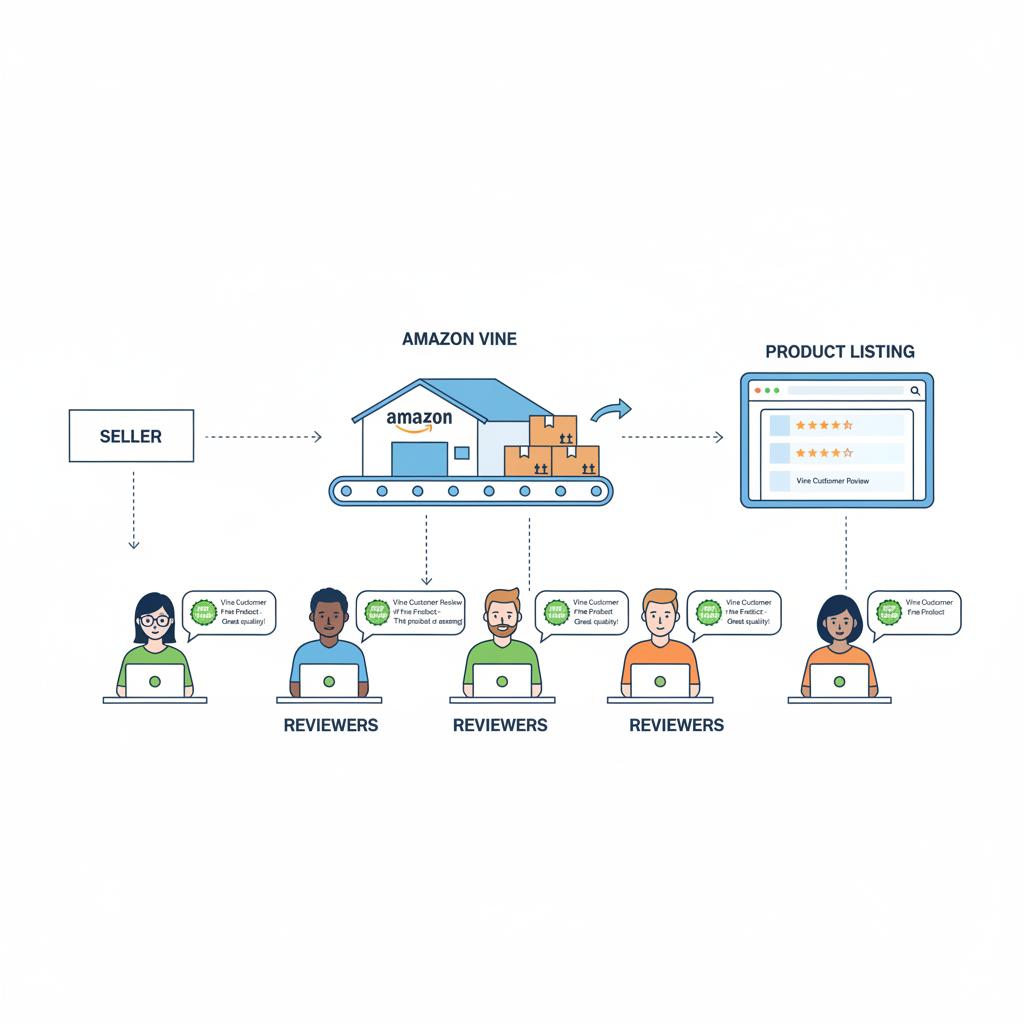
Amazon Vine is a program where trusted reviewers (called Vine Voices) get your product for free in exchange for an honest review. You, the seller, pay Amazon a Vine enrollment fee (per ASIN) and supply free units that Amazon distributes to those reviewers.
Those reviews are marked as “Vine Customer Review of Free Product” on your listing, but they still count toward your overall rating and review count.
Basic flow:
- You enroll an FBA product in Vine.
- You provide a set number of free units.
- Vine Voices claim those units.
- They use the product and leave detailed reviews.
Key point: You’re not buying positive reviews. Vine reviewers are often more detailed, more critical, and less emotionally attached than your typical customer. That’s both a blessing and a curse.
Who Can Use Amazon Vine?
Before you even weigh pros and cons, you need to know if you’re eligible.
You can typically use Vine if:
- You’re a brand‑registered seller on Amazon.
- The product is FBA (Fulfilled by Amazon).
- The ASIN has fewer than a set number of reviews (Amazon often caps Vine eligibility on review count; the exact threshold can change).
- The listing is in stock, has images, a complete detail page, and is buyable.
If you’re just reselling other brands, or don’t have Brand Registry, Vine is usually off the table.
The Pros of Amazon Vine for Sellers
Let’s start with the shiny stuff everyone likes to talk about.
1. Fast, Legal Way to Get Initial Reviews
When you launch a new product, you’re stuck in the classic Amazon chicken‑and‑egg problem:
- No reviews → low conversions
- Low conversions → no sales
- No sales → no reviews
Amazon Vine helps you jump‑start that initial review count without resorting to sketchy tactics like rebate groups, off‑Amazon review farms, or “I’ll PayPal you if you change your review” DMs.
Why it matters:
- Products with even 5–10 reviews often convert significantly better than those with zero.
- Early reviews help you test whether your offer matches market expectations.
2. Detailed, High‑Signal Feedback
Vine Voices are usually:
- Experienced reviewers
- Comfortable writing longer, detailed feedback
- Less emotionally biased (“I’m mad it arrived late, 1 star!”)
This means you don’t just get a rating, you get insight:
- “The zipper breaks after two weeks.”
- “The sizing chart runs small by one size.”
- “The directions are unclear; I had to guess on step 3.”
You can use these reviews to:
- Improve your product.
- Clarify your listing copy and photos.
- Update instructions or packaging.
3. Potential Boost in Conversion Rate and Ranking
Amazon’s algorithm loves:
- Sales velocity
- High conversion rates
- Steady stream of reviews
While Vine itself doesn’t magically boost rank, more reviews + better conversion can interact with the algorithm in your favor.
Examples:
- A new kitchen gadget goes from 0 reviews to 15 Vine reviews, averaging 4.4★. Conversion improves, ads perform better, and organic ranking slowly climbs.
- A niche product with spotty performance finally converts consistently once shoppers can read real‑world usage in Vine reviews.
4. Social Proof for High‑Consideration Products
Some products are impulse buys. Others aren’t:
- Baby gear
- Electronics
- Fitness equipment
- Supplements
For these, buyers read reviews carefully. Vine reviews often include:
- Photos and sometimes videos
- Comparisons to similar products
- Pros and cons, clearly laid out
That kind of in‑depth review can do more selling than your bullet points.
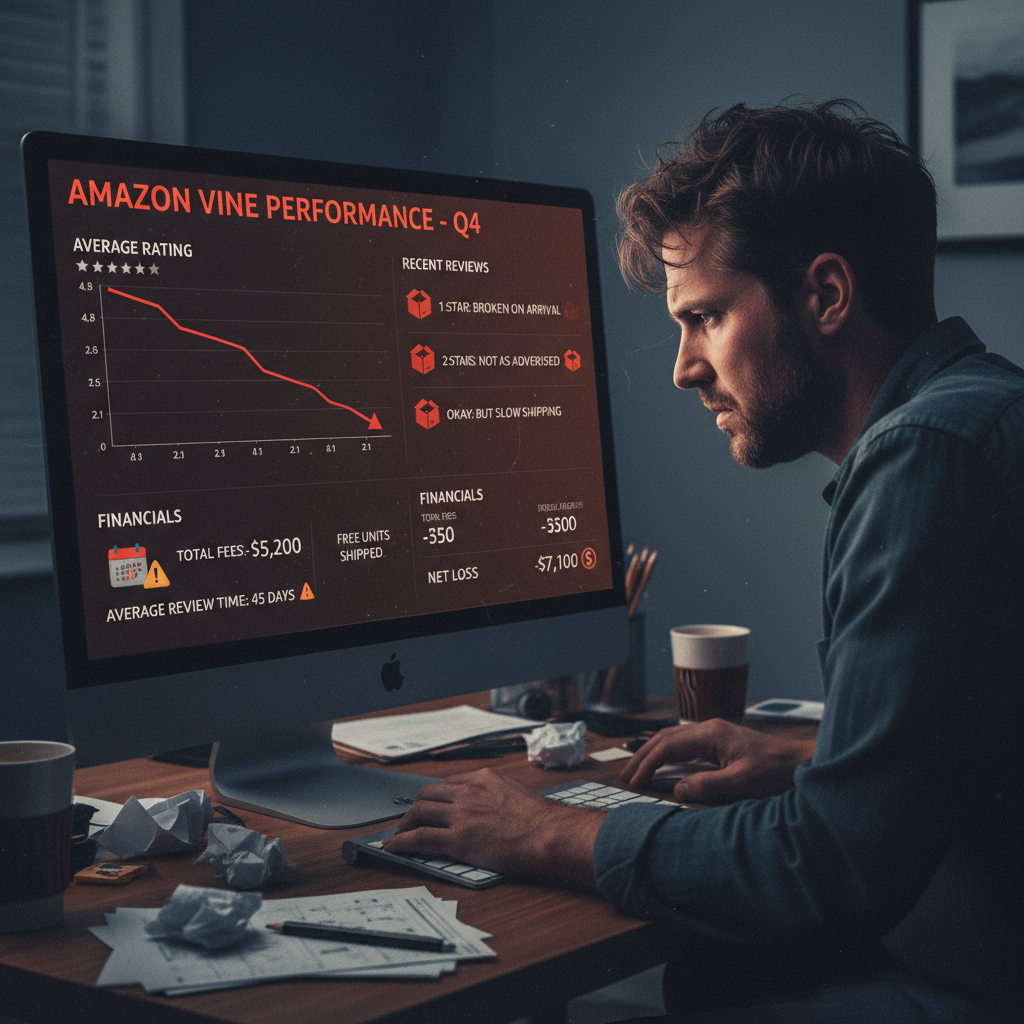
The Cons of Amazon Vine (Read This Twice)
Now the part most people gloss over in their hype threads.
1. Cost: Fees + Free Inventory
Using Vine isn’t free.
You typically pay:
- A Vine enrollment fee per ASIN (Amazon sets this and can change it over time).
- The cost of inventory you give away (including product cost + shipping to FBA + any prep/packaging).
If your landed cost is $8 per unit and you give away 30 units, that’s $240 in cost of goods alone—before Amazon’s Vine enrollment fee.
If your margins are thin, this hurts. If your product has a high unit cost (e.g., electronics, furniture), this can be a serious investment.
2. Reviews Are Honest… Brutally Honest
You cannot:
- Ask Vine reviewers for a specific rating.
- Filter out harsh reviewers.
- Remove reviews just because you don’t like them.
If your product has issues, Vine will surface them early and loudly.
Scenarios to worry about:
- You’re testing a half‑baked version of your product and hope to “fix it later.” Vine reviewers will roast that.
- Your listing overpromises (“waterproof” when it’s just water‑resistant). Vine reviewers will call out the mismatch.
The result can be:
- A cluster of early 1–3★ reviews that drags down your average.
- A damaged listing reputation right out of the gate.
3. You Have Limited Control Over Who Reviews
You don’t get to choose:
- Demographics
- Use cases
- Preferences
You may have a product aimed at, say, parents of toddlers, but a Vine reviewer with no kids claims it and writes:
“Not extremely useful in my daily life.”
Technically fair. Commercially useless.
Or a very tech‑savvy user expects premium performance from a budget gadget and dings you for things your target audience doesn’t care about.
4. Vine Won’t Fix a Broken Offer
Some sellers treat Vine like a magic conversion bullet:
- Weak product photos
- Confusing title and bullets
- Uncompetitive price
- Generic me‑too product
…and then enroll in Vine expecting everything to click.
What actually happens:
- Reviewers call out the same issues that were already holding you back.
- You get 3★ “It’s fine but nothing special” reviews.
- Conversion doesn’t move much, because your offer itself still isn’t compelling.
5. Timing, Logistics, and Unpredictability
Some practical annoyances:
- Not every unit you enroll gets reviewed. Reviewers may claim fewer units than you offer or simply not review in a timely way.
- You need enough stock at FBA and a clean, complete listing before enrolling.
- You can’t rush them. Reviewers take time to use the product, especially for items that need weeks of use.
If you’re in a tight launch window, Vine’s timeline might not line up perfectly with your ad campaigns or seasonality.
When Does Amazon Vine Make Sense?
Here’s where it usually works well:
1. Strong Product, Weak Social Proof
Good fit when:
- You’ve done real product testing.
- Competitors have reviews, and you need to catch up.
- You’re confident in quality but stuck in the no‑review dead zone.
Example:
You’re launching a premium dog leash with better hardware and stitching than the top competitors. You’ve tested it with beta users. You use Vine to quickly get 15–20 honest reviews, which emphasize durability and comfort. Your listing now shows social proof that matches your positioning.
2. Iterating on a Previous Version
Maybe you:
- Improved a V2 of your product.
- Fixed a known flaw (weak zipper, poor battery life).
- Changed materials or design.
Vine can help validate whether your changes are actually landing with users.
Example:
Your first yoga mat had complaints about odor and slipperiness. You launch a new version with better materials and grip. Vine reviews start mentioning “no bad smell” and “grippy even when sweaty,” confirming you’ve moved in the right direction.
3. Higher‑Ticket Items Where Each Review Is Gold
If:
- Your AOV is high
- You have margin room
- Each sale is worth a lot
Then the cost of Vine is easier to justify. A few well‑written Vine reviews could pay for themselves quickly.
Example:
You sell a $150 home office chair with $50 profit per unit. Giving away 10 units and paying the Vine fee may sting, but if those reviews unlock steady organic sales, you recoup that cost in a relatively small number of orders.
When You Should Probably Skip Amazon Vine
Consider avoiding Vine if:
- Your margins are razor‑thin.
- You simply can’t afford to lose units and pay a program fee without a clear path to profit.
- You’re unsure about quality.
- If you’re still discovering defects via customer returns, don’t invite Vine into that chaos yet.
- Your listing is half‑baked.
- Poor photos, unclear bullets, missing info—fix these before feeding traffic and reviewers to it.
- You’re selling an ultra‑commoditized product.
- If you’re the 47th identical black phone case at the same price, Vine may just highlight that there’s nothing special about your offer.
How to Improve Your Odds of Success with Vine
If you decide to go for it, stack the deck in your favor:
1. Perfect the Listing Before Enrollment
Do this before you hit the Vine button:
- High‑quality main image and multiple lifestyle images
- Clear, benefit‑driven bullet points
- Realistic claims (don’t promise what you can’t deliver)
- Accurate sizing, specs, compatibility info
Think of it this way: Vine reviewers are also your first serious listing QA team. Don’t hand them a draft.
2. Test the Product Outside Amazon First
Even a small test helps:
- Send samples to friends, colleagues, or a small beta group.
- Ask them what confused them, broke, or disappointed them.
- Fix what you can before Vine.
3. Run the Math Like a Marketer
Estimate:
- Total cost of units given away (landed cost × units)
- Vine fee
- Target number of reviews you realistically expect
- How many extra sales you’d need to break even
If that break‑even number feels unreachable given your niche and price, wait or skip Vine.
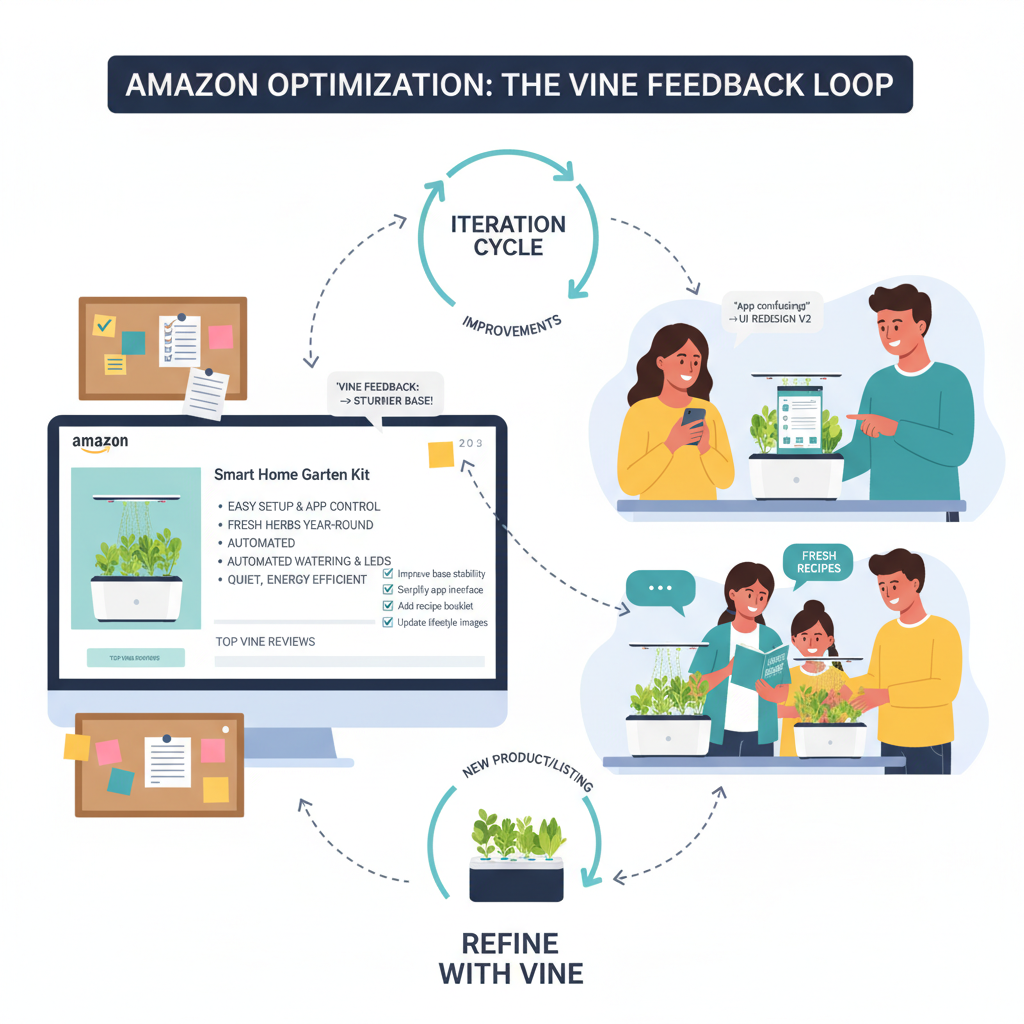
4. Use Vine Feedback to Iterate
Don’t just watch your star rating—read the reviews.
Look for patterns:
- Same complaint mentioned 2–3+ times? Fix it.
- Confusion about how to use a feature? Update instructions and images.
- Unexpected benefit? Highlight it in your bullets.
Then:
- Improve the product or listing.
- Monitor how future non‑Vine reviews change over time.
So… Is Amazon Vine Worth It?
Amazon Vine can be worth it if:
- You own the brand and are eligible.
- Your product is genuinely good and tested.
- You have enough margin to absorb free units + fees.
- You need honest, fast social proof to compete.
Amazon Vine is risky or wasteful if:
- You’re margin‑constrained.
- Your product is unproven or low‑quality.
- You expect only glowing 5★ reviews.
Think of Vine as a spotlight: it won’t change the reality of your product, it will just make that reality visible sooner and louder.
If you’re confident in what you’re selling and ready to treat the cost as a strategic investment, Vine can be a powerful way to kick‑start reviews and learn faster.
If you’re still crossing your fingers about quality or margins, fix those first—then invite Vine to the party.
Leave a Reply