The Hidden Downsides of Amazon Prime in Seattle
If you live in Seattle, Amazon Prime can feel less like a subscription and more like a local utility.
Next-day delivery? Of course. Whole Foods discounts? Obviously. Free returns? Tap-tap, done.
But for Seattle residents specifically, Amazon Prime has some very real cons that are easy to ignore—until they start quietly draining your wallet, your time, and even your neighborhood.
Let’s unpack the downsides of Amazon Prime in Seattle, WA, from a local lens.
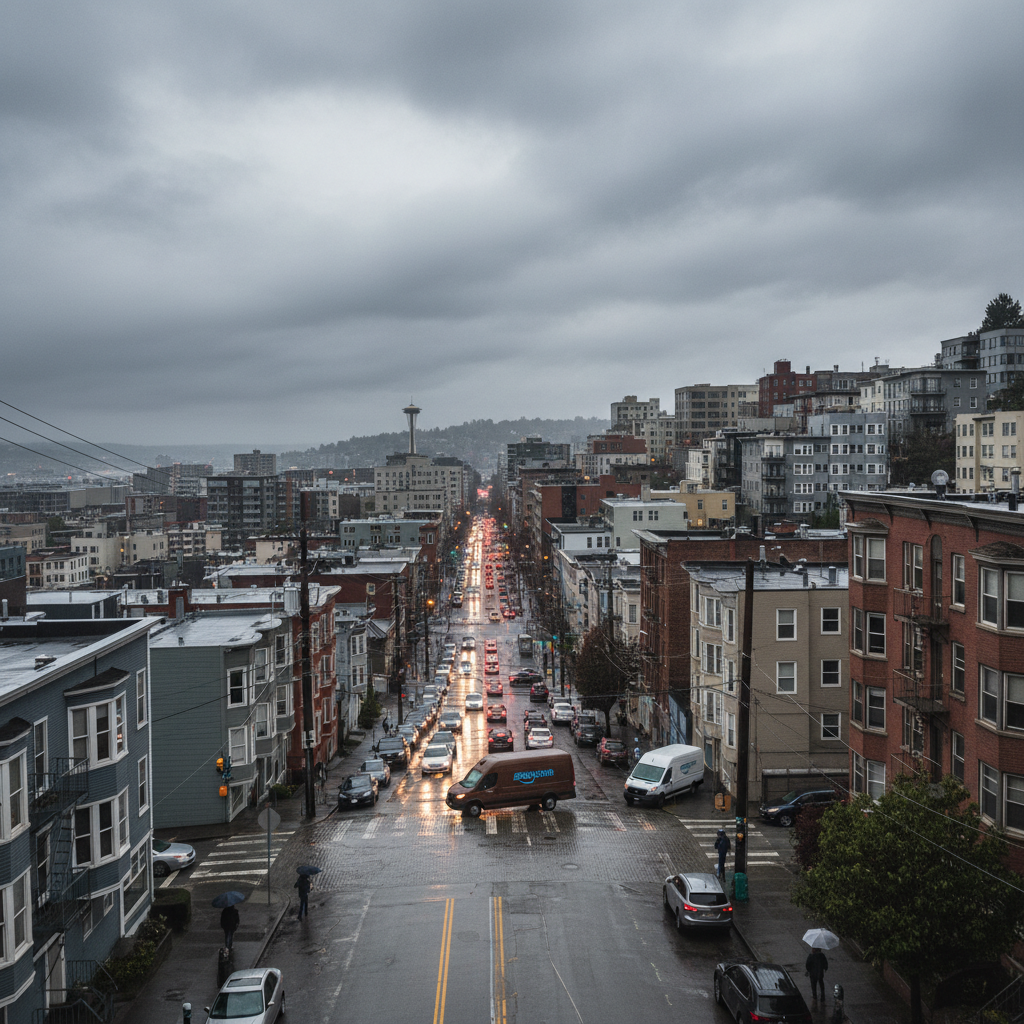
1. Prime Is Built for Convenience… Seattle Isn’t Always
On paper, Amazon Prime in Seattle should be unbeatable. The company is headquartered here. Warehouses? Everywhere. Tech infrastructure? Off the charts.
In reality, Seattle’s geography and traffic can mess with the Prime promise.
Urban density + traffic = “Prime-ish” delivery
Between constrained bridges, hills, construction zones, and those charming-but-chaotic narrow streets in neighborhoods like Capitol Hill, Ballard, and Queen Anne, “same-day” or “one-day” can turn into “whenever the van survives the Mercer mess.”
If you live in:
- A secure apartment building with package rooms
- A walk-up with no dedicated drop-off area
- A house on a steep hill or tight alley
…you may find drivers marking packages as “delivered” early, leaving them in questionable spots, or pushing delivery to the next day when access is tricky.
The Seattle landscape isn’t designed around frictionless delivery, no matter what the marketing says.
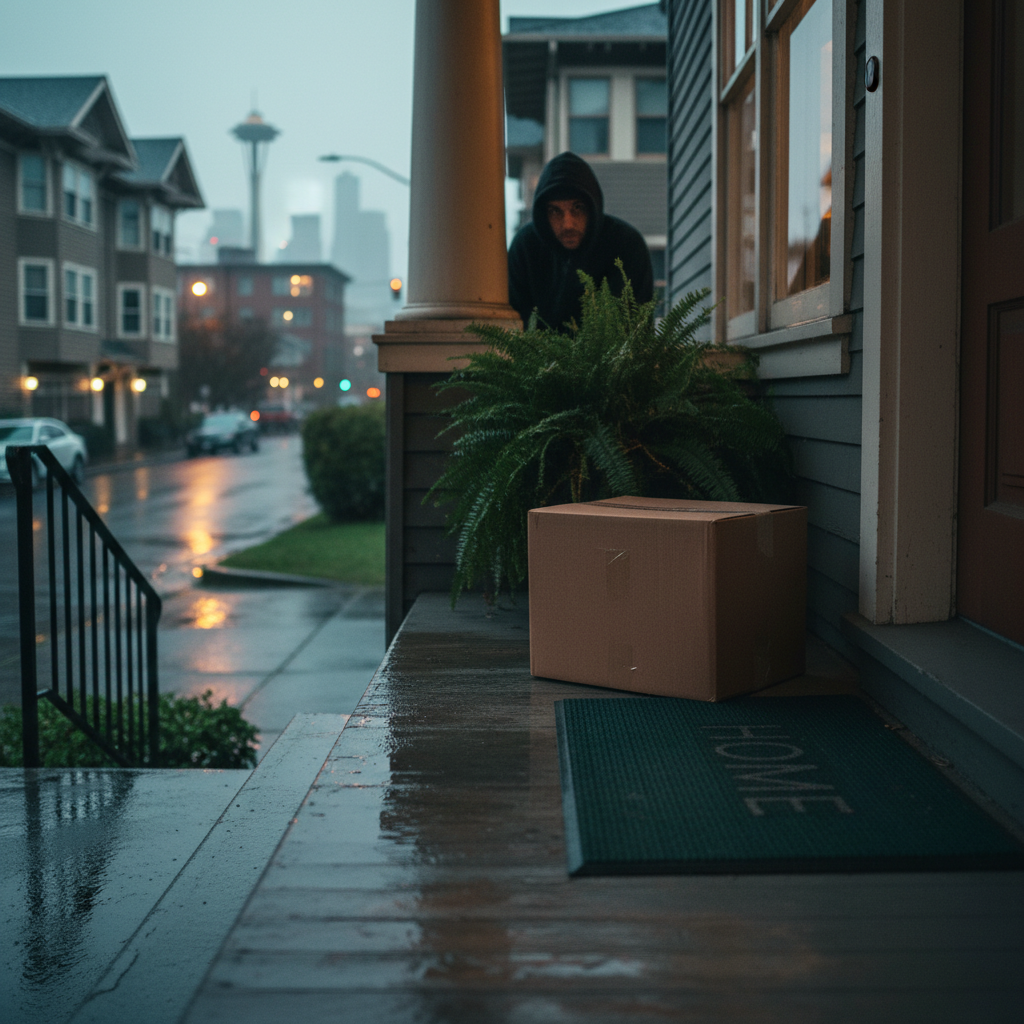
2. Package Theft Is a Bigger Issue Than You Think
Seattle has struggled with property crime and package theft for years, and residents frequently share stories of porch pirates making the rounds in broad daylight.
If you’re in neighborhoods like Capitol Hill, Belltown, U-District, or parts of South Seattle, you probably already:
- Track your Prime packages obsessively
- Arrange deliveries to an Amazon Locker or your office
- Time your errands around estimated delivery windows
That’s not convenience—that’s logistics management.
And if you don’t have a secure drop-off option, the “free shipping” advantage can disappear fast if you’re repeatedly dealing with:
- Missing deliveries
- Claims and refunds
- Reordering time-sensitive items
In high-theft areas of Seattle, you’re paying for peace of mind that Amazon Prime doesn’t always deliver.
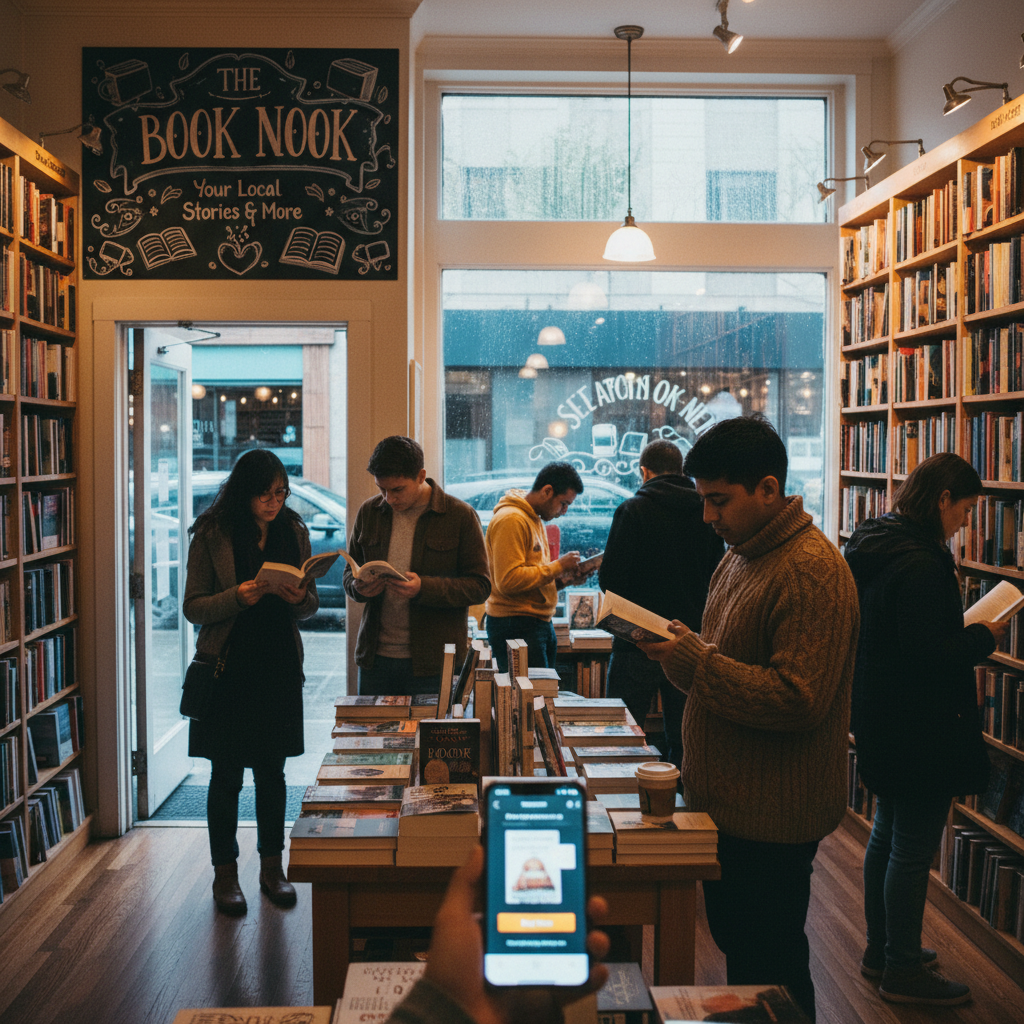
3. Amazon Prime Can Quietly Undercut Local Seattle Businesses
Seattle has a strong buy-local culture: indie bookstores, specialty outdoor shops, neighborhood hardware stores, zero-waste groceries, farmers markets, and more.
When Prime becomes your default for “everything,” there are some real trade-offs:
-
Local bookstores vs. Prime books
Why browse Elliott Bay Book Company, Third Place Books, or Ada’s Technical Books when a paperback is one click away? Prime makes it effortless to skip the trip—and the community those stores create. -
Outdoor gear
Seattle is an outdoor city. Prime will happily ship you hiking, climbing, and camping gear, but you lose:- Local expertise and fit advice
- Gear repair programs
- Community events and classes
-
Groceries and household basics
With Prime + Whole Foods or Amazon Fresh, it’s easy to stop visiting co-ops or smaller markets that source locally and pay local workers.
Over time, this shifts dollars away from:
- Independent retailers
- Local tax base (via store closures and reduced activity)
- Community spaces that act as social hubs
The more you auto-default to Prime in Seattle, the easier it is for local gems to disappear before you even notice.
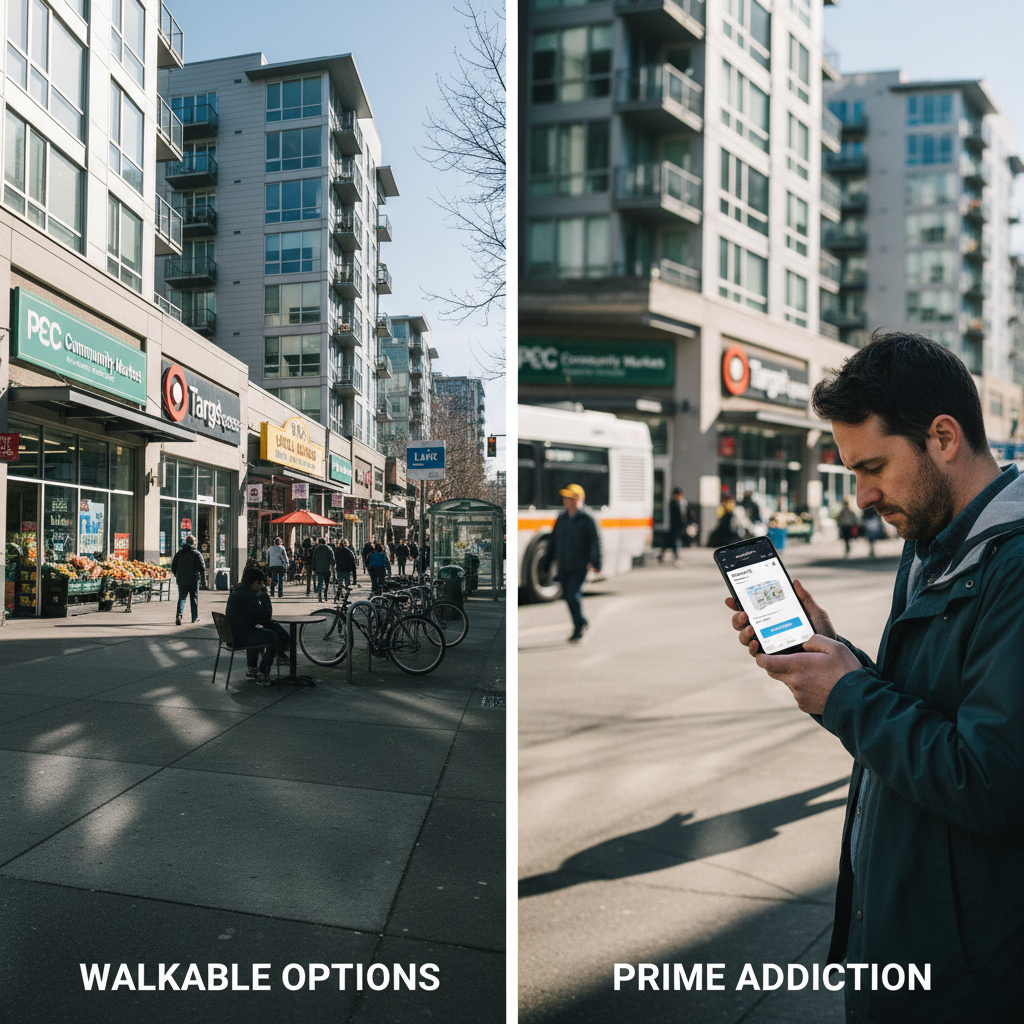
4. Prime Costs Add Up Faster in a High-Cost City
Seattle is already expensive: rent, coffee, parking, dining out, you name it.
Amazon Prime is marketed as a no-brainer, but when you live in a high-cost city, it’s worth asking: Are you actually getting enough value from Prime in Seattle?
You might be overpaying if:
- You live close to grocery stores, Target, QFC, PCC, Safeway, or Costco
- You work downtown, SLU, or the U-District where stores are walkable
- You don’t stream much Prime Video content
- You rarely use Prime Music, Prime Gaming, or other bundled services
The “Seattle lifestyle” trap
A lot of Seattleites:
- Walk or bus to work
- Already pass multiple stores daily
- Live near dense retail corridors
In those cases, Prime’s core value (fast shipping) overlaps heavily with what you can already do on foot or via a quick errand. You might be paying full price for a benefit you don’t meaningfully use.
In a city where you’re already surrounded by services and stores, Prime can quietly become just another subscription on autopay.
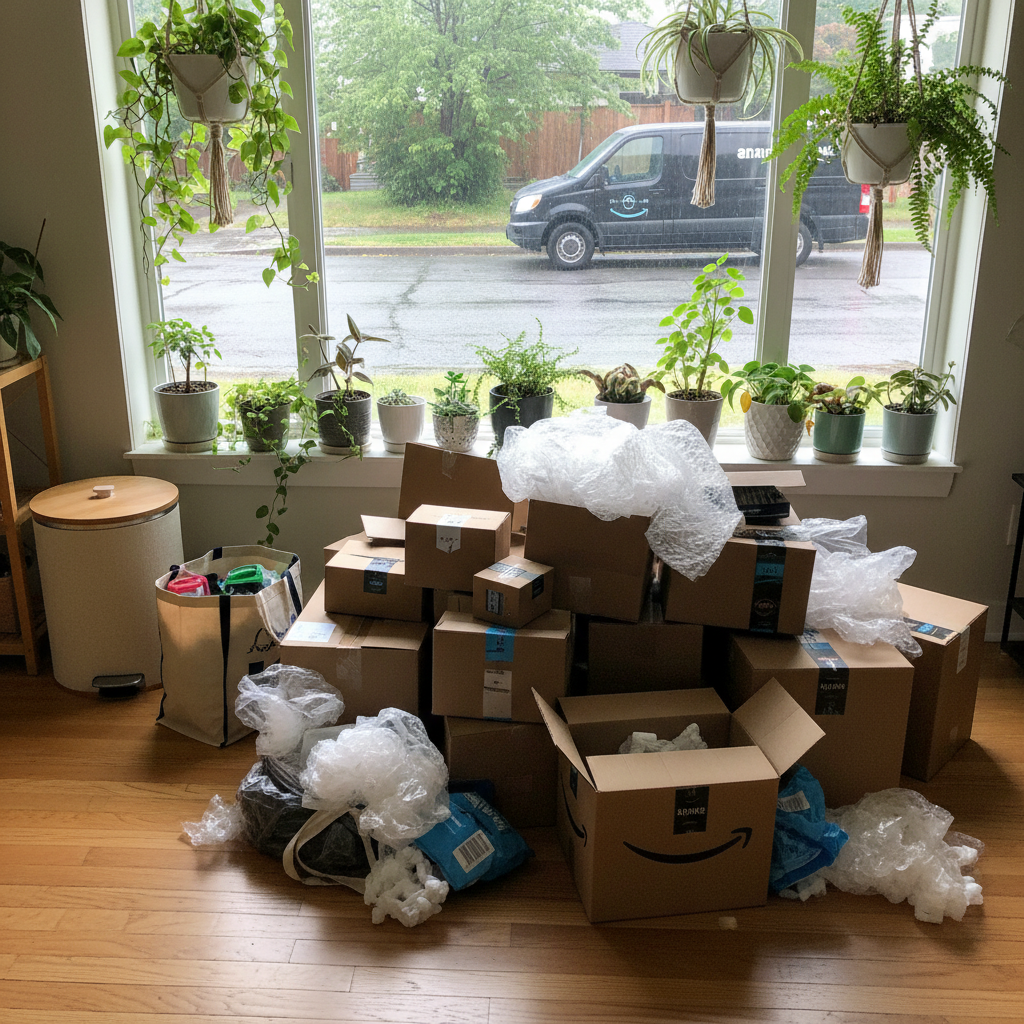
5. Environmental Impact Hits Different in an Eco-Conscious City
Seattle has a strong sustainability culture: compost bins, climate activism, reusable everything.
Prime, meanwhile, often means:
- Multiple separate deliveries per week
- Excess packaging (plastic air pillows, cardboard, tape)
- Delivery vans making frequent stops on already congested streets
Even if Amazon is investing in more efficient logistics and greener initiatives, your personal Prime habits might not align with your values if you:
- Order single items frequently
- Use Prime as a reflex instead of batching purchases
- Replace items instead of repairing or buying used
If you care about sustainability (and in Seattle, you probably do), your Prime usage may feel increasingly out of sync with your principles.

6. Prime Video & Digital Perks: Nice, But Not Always Necessary
Amazon sells Prime as more than just shipping: Prime Video, Prime Music, Prime Gaming, deals, photos, and more.
The question is: In a streaming-saturated city like Seattle, do you really need all that?
Many Seattle households already pay for:
- Netflix, Hulu, Disney+, Max, or others
- Spotify or Apple Music
If you’re not heavily using Prime Video or Prime Music, then effectively:
- You’re paying mostly for shipping and maybe grocery discounts
- Other perks are just digital clutter
And with Seattle’s strong indie cinema and live performance culture (SIFF, independent theaters, concerts), you might find you’re not short on entertainment even without Prime’s content.
If you’re not fully using the digital perks, Prime may be overkill compared to cheaper shipping-only options or no membership at all.
7. Whole Foods + Prime: Not Always the Cheapest Option
Prime offers discounts and deals at Whole Foods, which sounds great… until you compare prices.
In Seattle, you also have:
- Safeway, QFC, Fred Meyer, and Costco
- PCC Community Markets and other co-ops
- Asian, Latin, African, and specialty grocers
Often you can:
- Find equal or better prices without Prime
- Support local or independent grocers
- Avoid feeling nudged toward Whole Foods just because of your membership
If Amazon Prime is subtly steering most of your grocery dollars to Whole Foods, you might:
- Spend more than you would at other chains
- Miss out on local or bulk-buy savings
Prime-linked grocery perks sound good, but in Seattle’s competitive grocery landscape, they’re not guaranteed to save you money.
8. It Reinforces a Car-Less Isolation Loop
A lot of Seattleites don’t own cars, especially in dense neighborhoods like Capitol Hill, First Hill, U-District, Belltown, and SLU.
That’s great for the environment—but it can also make Amazon Prime feel like the default for getting anything bulky or inconvenient.
Over time, this can:
- Reduce how often you explore new parts of the city
- Turn errands into exclusively online actions
- Limit casual social interactions you’d have while shopping, browsing, or grabbing coffee nearby
In a city where gray months and long rainy seasons already keep people indoors, leaning harder into home delivery can feed a subtle sense of isolation.
Prime solves logistical problems but can unintentionally shrink your relationship with the city around you.
9. Algorithms Don’t Know Seattle Like Seattleites Do
Amazon’s recommendations aren’t built for:
- That hyper-specific hardware piece from the Ballard specialty shop
- The perfect hiking fit you’d get from a human at a local gear store
- The nuanced coffee preferences a barista at a local roastery would nail
In a city as idiosyncratic as Seattle, algorithms often:
- Push generic products from mega-brands
- Hide smaller or local sellers behind sponsored listings
Could you buy trail gear, coffee equipment, art supplies, or tech from Amazon? Of course.
Will it be as tailored to Seattle’s culture, terrain, and weather as what you’d get talking to someone local? Almost never.
Prime can’t replicate what real Seattle humans know about living here.
10. So… Is Amazon Prime Worth It in Seattle, WA?
Here’s a simple way to check yourself.
Ask these questions:
- How many times per month do I actually need fast shipping?
- Could I reasonably walk, bus, or drive to buy most of these things instead?
- Do I heavily use Prime Video/Music/other perks, or just occasionally?
- Am I okay with the impact on local businesses and my own community connections?
- Would I change my shopping behavior if Prime suddenly disappeared tomorrow?
If your honest answers are:
- “I don’t use it that much”
- “I could easily get most of this locally”
- “I mostly forget I even have Prime”
…then in Seattle, Amazon Prime might be more con than pro for you.
How to Make Prime Less Problematic (If You Keep It)
Not ready to cancel? You don’t have to go cold turkey. Try this instead:
-
Batch your orders
Turn on Amazon’s “Amazon Day” or consolidate shipping to reduce van trips and packaging. -
Default to local first
Before you click “Buy Now,” ask: Can I get this at a Seattle shop nearby? Check Pike Place, neighborhood hardware stores, local grocers, bookstores, and co-ops. -
Use Lockers or secure delivery
Especially in high-theft neighborhoods. This reduces stress and reorders. -
Track your savings vs. cost
Roughly estimate how much you save each year in shipping, deals, and entertainment. If it doesn’t beat the annual fee by a good margin, consider pausing or sharing an account in your household. -
Set a calendar reminder
A few weeks before renewal, revisit whether Prime fits your current Seattle lifestyle.
In Seattle, WA, Amazon Prime can be incredibly convenient—but that doesn’t mean it’s automatically a good deal for your wallet, your neighborhood, or your values. Question it, customize it, or cancel it—but don’t let it run on autopilot.
Leave a Reply