12 Flexible Jobs Like Amazon Flex
Flexible, app-based gigs you can stack, swap, and strategize—without being tied to a single platform.
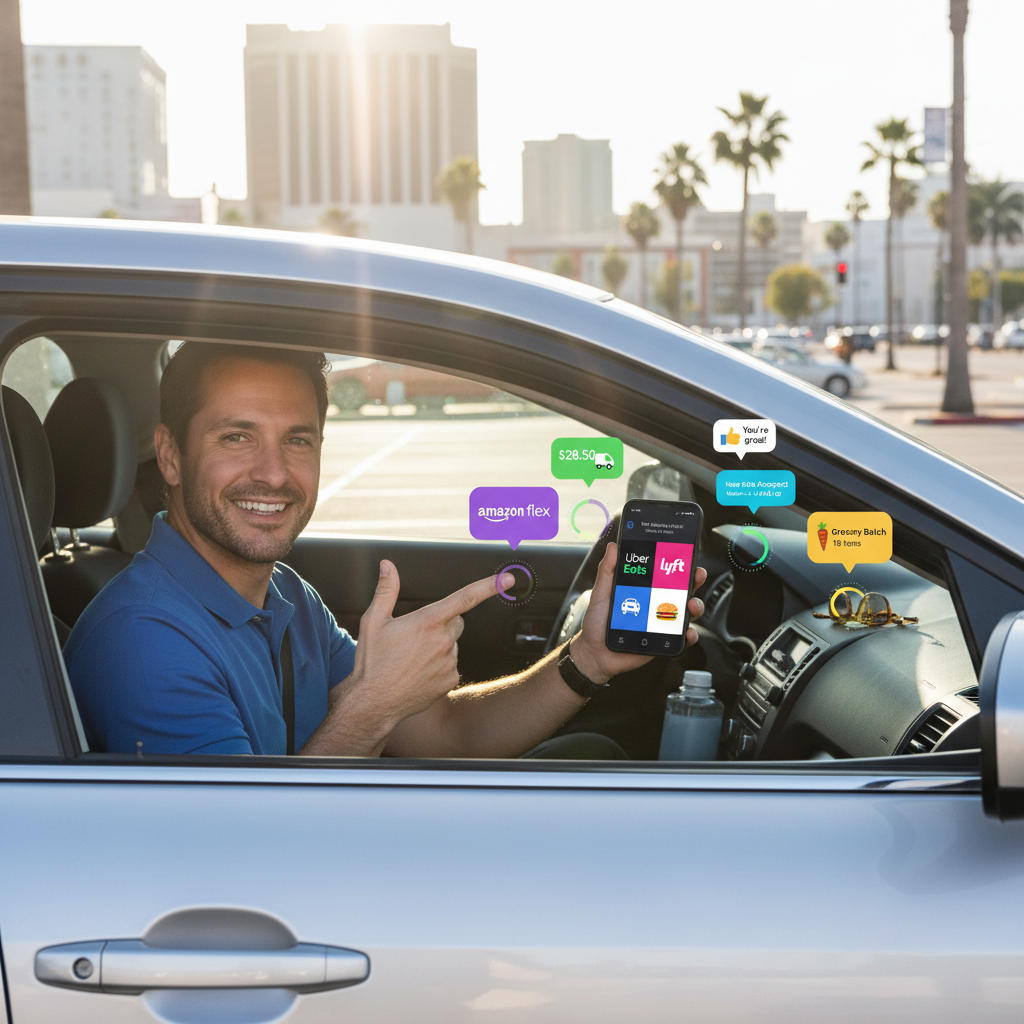
If you like the idea of Amazon Flex — choose your own hours, use your own car, get in and out without a boss breathing down your neck — but want options, you’re in the right place.
Maybe your Amazon Flex market is saturated.
Maybe the blocks just aren’t popping up.
Or maybe you just want a backup income stream so you’re not at the mercy of one app.
Let’s walk through the best jobs like Amazon Flex: what they pay, what they’re really like on a Tuesday afternoon, and which ones are actually worth your time.
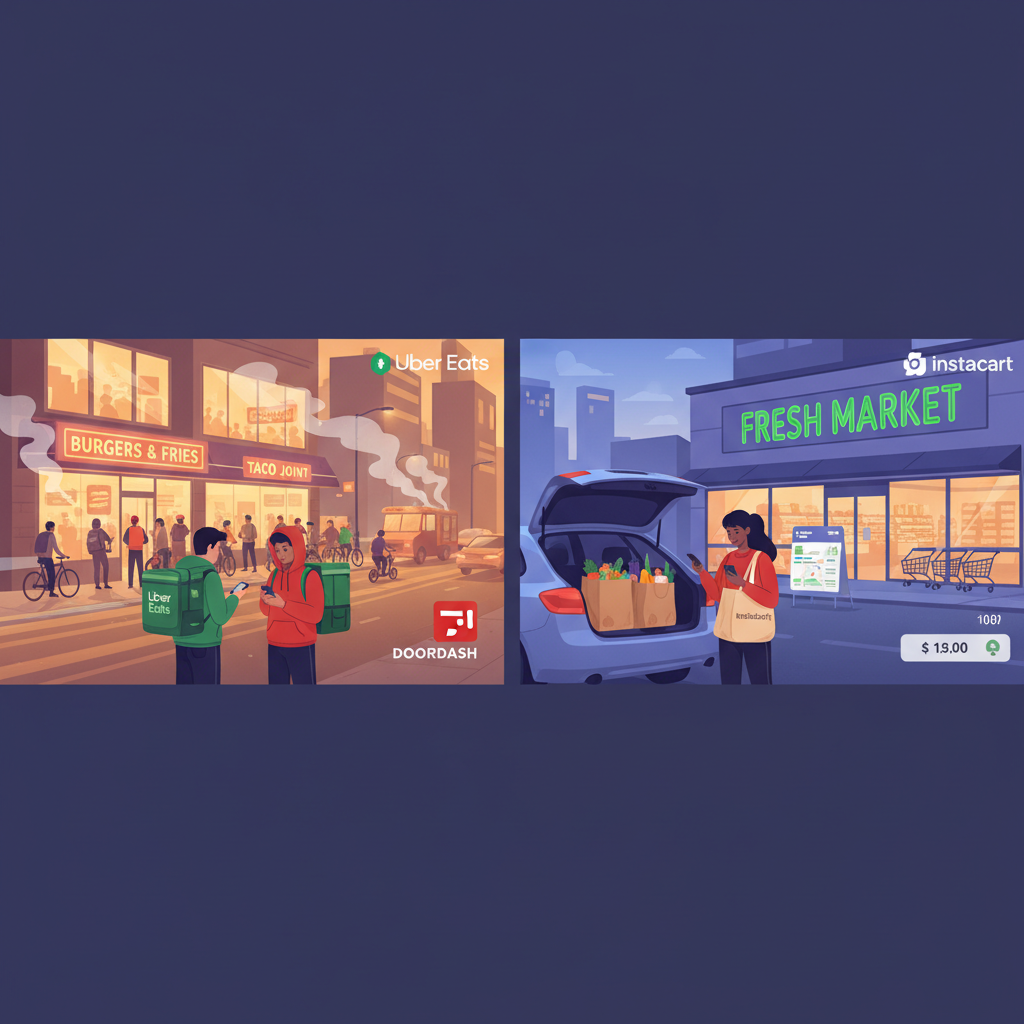
Quick Primer: What Makes a Job “Like Amazon Flex”?
When people search for jobs like Amazon Flex, they usually want:
- Flexible scheduling – pick your own hours or shifts
- App-based work – get and complete tasks through your phone
- Use your own vehicle – car, SUV, or sometimes even a bike
- Low barrier to entry – no advanced degree or long interview process
- Fast payouts – weekly or even same-day
The gigs below hit some or all of those.
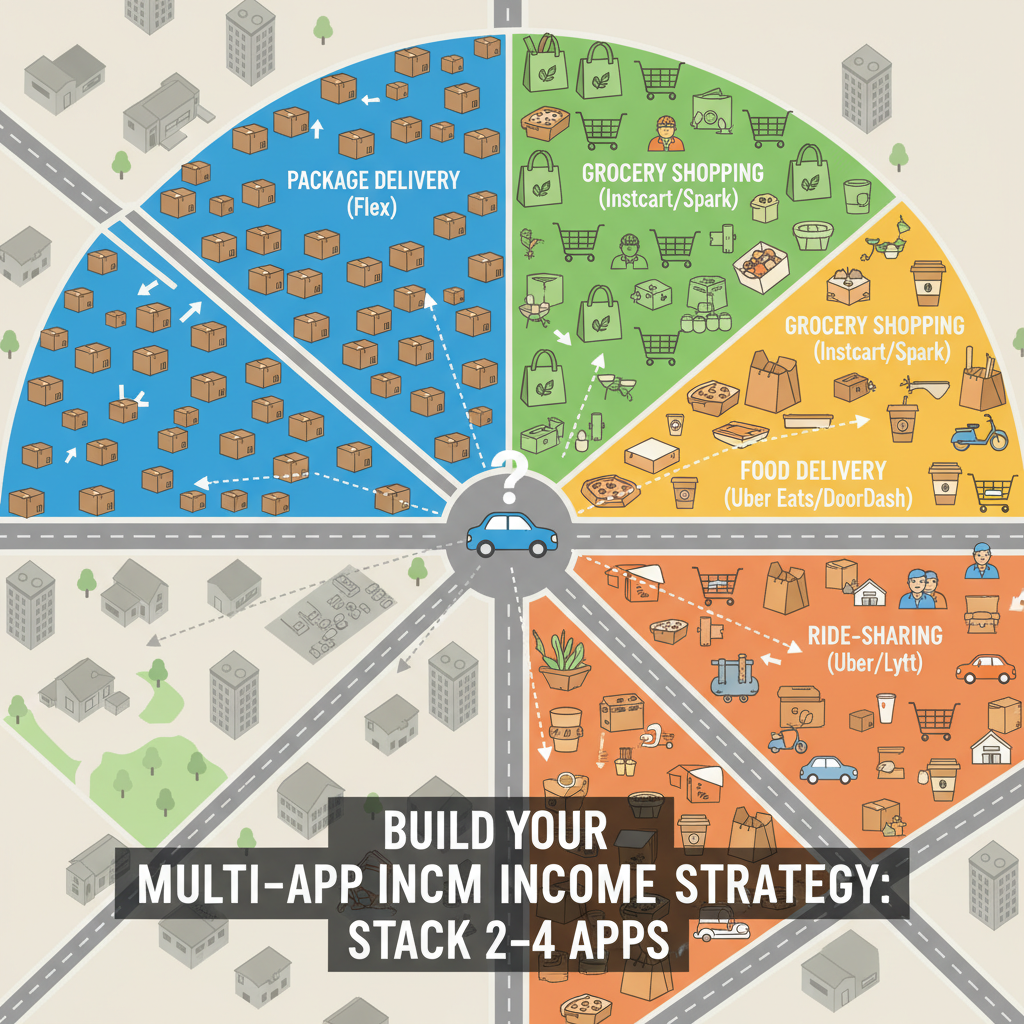
Pro tip before we dive in: for most people, the best strategy isn’t to find one perfect app, but to build a
small stack of 2–4 apps you can rotate between depending on demand.
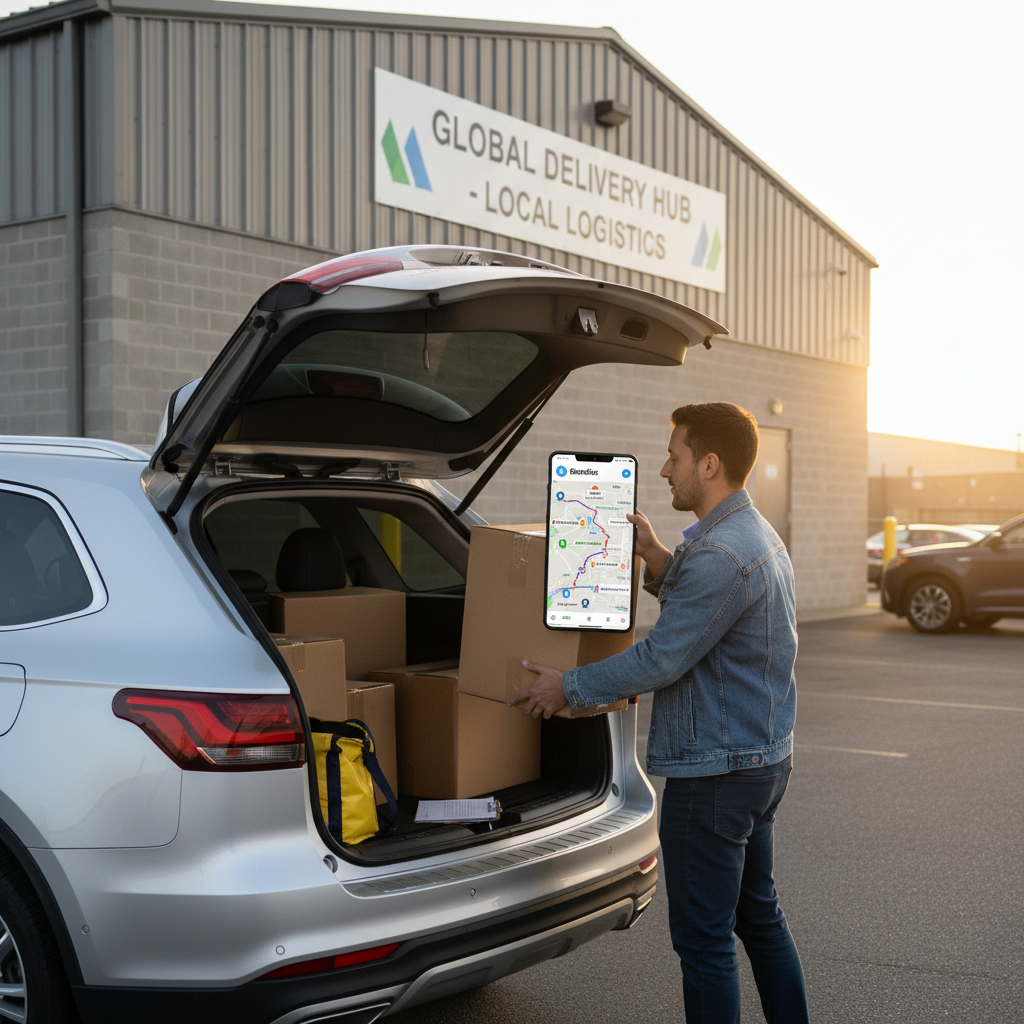
1. Uber Eats & DoorDash: The Classic Food Delivery Route
If you like the delivery side of Amazon Flex but want more constant work, food delivery is the usual first stop.
How they’re similar to Amazon Flex
- Use your own car, scooter, or bike
- App shows available orders, routes, and pay estimate
- You choose when you go online and when you stop
Pros
- High demand, especially during lunch, dinner, weekends, and big events
- Can stack multiple apps (e.g., Uber Eats + DoorDash + Grubhub) to reduce downtime
- In many markets, you can cash out daily for a small fee
Cons
- Pay can be highly variable and tip-dependent
- Lots of short trips; more wear and tear than bulk-style routes
- Busy restaurant delays can kill your hourly rate
Best for: People who want constant smaller orders vs. Amazon Flex–style big blocks.
Takeaway: Food delivery is the easiest “plug-in” alternative to Amazon Flex and often pairs well with it.
2. Instacart & Shipt: Grocery Delivery (With or Without Shopping)
Instacart and Shipt are grocery-focused apps: customers order groceries, you either shop and deliver or sometimes just
deliver pre-bagged orders.
Similar to Amazon Flex
- You reserve batches or grab them as they appear
- You drive your own car and set your own hours
- App-based routing and payouts
Pros
- Larger batch payouts can be solid, especially in higher-income areas
- You can learn store layouts and get much faster (and earn more per hour)
- Shipt in particular can build regular customers who tip well
Cons
- Shopping can be stressful: out-of-stock items, pickiness, replacements
- Peak hours often overlap with everyone else (nights/weekends)
- You’ll do a lot of walking and lifting
Best for: People who don’t mind shopping and want higher-ticket orders instead of constant short food runs.
Takeaway: If you like Amazon Flex’s “load the car, deliver a bunch at once” vibe, large Instacart or Shipt batches can feel similar.
3. Roadie: Package Delivery Without the Warehouse
Roadie (owned by UPS) connects drivers with individual package and gig deliveries — everything from a single box to small business runs.
How it compares to Amazon Flex
- Still package-focused, but you’re not tied to a single warehouse
- Jobs can include retail store pickups, business deliveries, and more
- You see pay and distance before accepting
Pros
- Some higher-paying longer-distance gigs
- Good if you’re already planning to drive somewhere (airport, another city)
- Mix of one-off and multi-stop routes
Cons
- Availability depends heavily on your city
- Some jobs can disappear quickly; you have to check often
- Not as consistently busy as the big food apps in some markets
Best for: Drivers with flexible time windows who like variety in what they’re delivering.
Takeaway: Think of Roadie as “freestyle” Amazon Flex: similar concept, more variance in who you’re delivering for.
4. GoPuff & Other Micro-Fulfillment Apps
GoPuff and similar apps use local micro-warehouses to deliver convenience-store-type items: snacks, drinks, OTC meds, household basics.
Similarities to Amazon Flex
- You often work in blocks/shifts rather than pure on-demand
- You pick up from one location and do multiple deliveries
- App-guided routes and scanning
Pros
- Fewer restaurant wait times (you pick up from a single hub)
- Predictable workflow once you get used to your warehouse
- Some markets offer hourly guarantees during certain shifts
Cons
- Not in every city
- You may have to commit to a specific shift vs. hopping on/off whenever
- Pay depends heavily on your local demand and tips
Best for: People who like the structure of a hub (like Amazon Flex stations) and don’t want to drive back and forth to dozens of restaurants.
Takeaway: If you like the Amazon Flex model of picking up lots of items from one place, these micro-fulfillment apps feel familiar.
5. Walmart Spark: Retail & Grocery Delivery
Walmart Spark focuses on delivering Walmart orders — groceries, general merchandise, and pickup orders.
Why it feels like Amazon Flex
- Bulk orders from a single store, sometimes multiple drops per run
- You get routes and pickup windows similar to Flex blocks
- Use your own vehicle and smartphone
Pros
- Larger orders can mean higher payouts
- Many drivers report decent earnings in suburbs and smaller cities
- Can be less saturated than the biggest food apps in some areas
Cons
- Earnings and order volume vary widely by region
- Some heavy lifting: big grocery orders, cases of water, etc.
- You may wait for orders to be brought out from inside the store
Best for: Drivers who prefer fewer, larger deliveries over dozens of tiny food runs.
Takeaway: If you want a job almost designed to feel like Amazon Flex but with Walmart instead of Amazon, Spark is your closest cousin.
6. Grubhub, Postmates (via Uber), & Other Food Apps
Beyond Uber Eats and DoorDash, you’ve got Grubhub and (in many places) Postmates orders running through Uber.
Why care? Because the secret to gig work is multi-apping. When Amazon Flex blocks dry up, you want backup.
Pros
- More platforms = more chances to stay busy
- Certain apps pay better in certain neighborhoods; you learn your local pattern
Cons
- Juggling too many apps at once can be overwhelming (and unsafe) if you’re not disciplined
Best for: People serious about maximizing income by switching apps in real time.
Takeaway: Don’t marry an app. Date around.
7. Point Pickup, Dispatch & Other Last-Mile Delivery Platforms
There are a handful of regional or specialized last-mile apps (like Point Pickup or Dispatch) that offer
retail, pharmacy, or business deliveries.
Why they’re worth a look
- Often less known = less saturated
- Some partner with pharmacies, office suppliers, or regional chains
- Work can feel very similar to Amazon Flex: pick up, scan, run a route
Watch-outs
- Availability by city is hit-or-miss
- Onboarding may take longer than a big national app
Best for: People in medium-sized cities willing to try smaller platforms for potentially better pay.
Takeaway: These won’t replace Amazon Flex on day one, but they can be valuable side channels.
8. Uber & Lyft: Rideshare Instead of Packages
If you’re okay with people in your car (big “if” for some folks), rideshare can be a higher-earning alternative.
Similar to Amazon Flex
- Extreme scheduling flexibility
- Paid per trip, plus potential bonuses and surge pricing
- App-based navigation and earnings
Pros
- In busy times/areas, hourly earnings can beat many delivery apps
- Tips and surge pricing can spike your income
- You sometimes get bonuses for hitting trip targets
Cons
- More wear on your car
- Dealing with people: intoxicated riders, chatty riders, rude riders — it’s a mixed bag
- Higher insurance and safety considerations
Best for: People who don’t mind customer interaction and want to maximize income during peak hours.
Takeaway: If you’re already comfortable driving for Amazon Flex, rideshare is the “advanced mode” version with people instead of parcels.
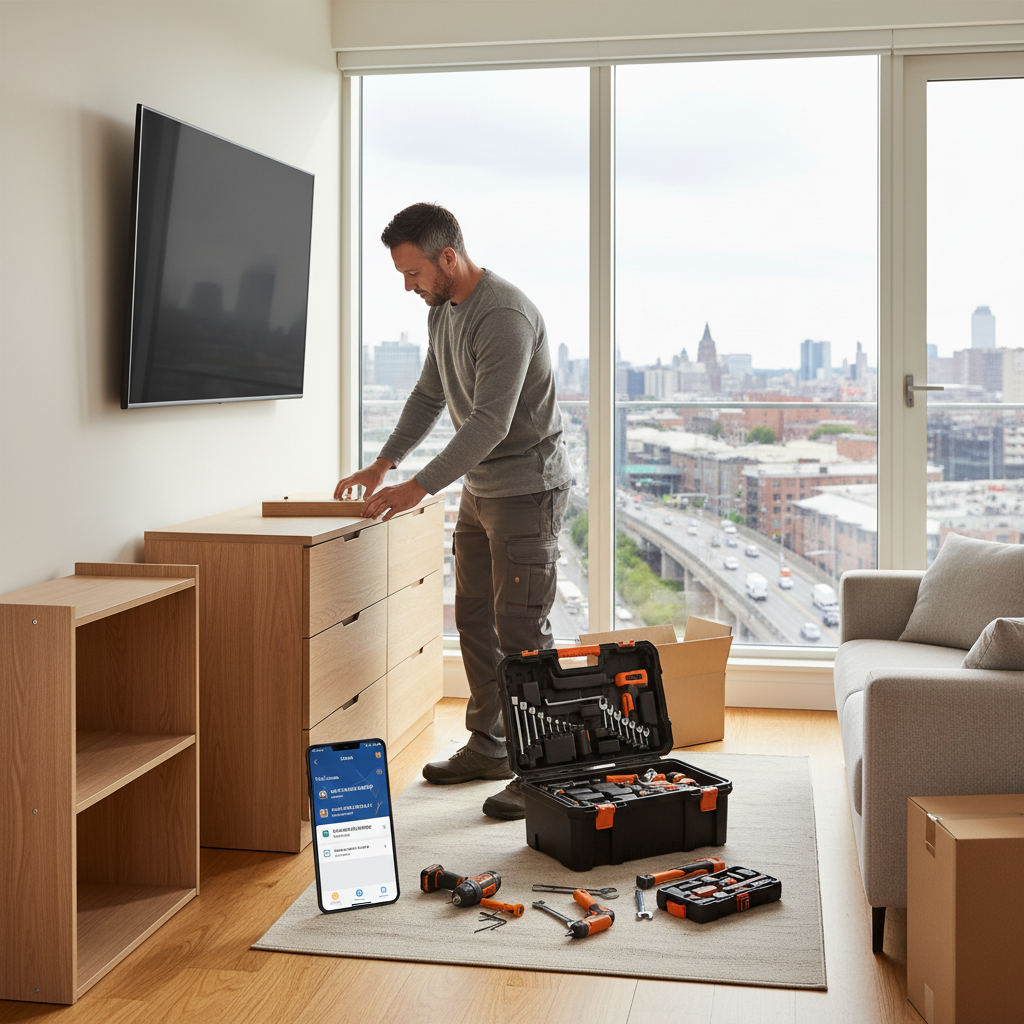
9. Taskrabbit: From Furniture Builds to Errands
Taskrabbit is less about driving and more about odd jobs and local tasks — furniture assembly, moving help, mounting TVs, running errands, etc.
How it compares
- Still an app-based, flexible gig platform
- You set your hourly rates and choose which jobs to accept
- Some tasks involve driving, others don’t
Pros
- Potentially much higher hourly pay once you build reviews
- Work can be more interesting and less repetitive
- Can transition into repeat clients and even a small business
Cons
- Requires more skills for certain categories (handyman work, mounting, etc.)
- Less instant-gratification than “tap app, start delivering”
- Income is less predictable at first
Best for: People who are handy, strong, or just versatile and want to earn more than pure driving usually pays.
Takeaway: If you’re burned out on driving, Taskrabbit can be a smart pivot while keeping your flexibility.
10. Local Courier & Medical Courier Work
This is where you move from app-only gigs into more traditional but still flexible courier jobs.
What this looks like
- Deliver lab samples, medications, documents, or parts between offices or facilities
- You might work as an independent contractor with recurring routes
- Some companies post routes on job boards rather than apps
Pros
- More predictable routes and schedules
- Often paid per route, not per tiny trip
- Less competition than mass-market apps
Cons
- Onboarding and background checks can be stricter
- May require specific hours or availability
- Not always as casual or “log in whenever” as Flex
Best for: People who like routine and prefer steady routes over app chaos.
Takeaway: If you’re thinking beyond pure gig apps, local courier work can feel like a more stable, Flex-adjacent job.
11. Amazon DSP Driver: The W-2 Version of Flex
If you like Amazon packages but want full-time hours and more consistency, look at Amazon’s DSP (Delivery Service Partner) jobs.
How it’s different from Amazon Flex
- You’re a W-2 employee of a local partner company, not an independent contractor
- You drive an Amazon-branded van, not your own car
- Set shifts, uniforms, and performance expectations
Pros
- More stable hours and income
- Benefits may be available (depending on the DSP): health, PTO, etc.
- No wear and tear on your own vehicle
Cons
- Much less flexibility than Flex
- Harder to just log in for a few hours when you feel like it
Best for: People who want a full-time job with benefits but like the delivery lifestyle.
Takeaway: If you outgrow pure gig work but love Amazon Flex–style routes, DSP roles are the next logical step.
12. Building Your Own Local Delivery or Errand Service
This one’s more entrepreneurial, but worth mentioning.
Instead of running 100% through apps, you can:
- Offer local delivery for small businesses (flower shops, bakeries, print shops)
- Run errands for seniors or busy families
- Partner with local restaurants that don’t like third-party apps
You can still:
- Use tools like Square, Google Business Profile, and basic route-planning apps
- Set your own rates and schedule
It’s slower to start, but long term, this can out-earn Amazon Flex and give you more control.
Takeaway: The ultimate “job like Amazon Flex” is one you design yourself — same skills, more ownership.
How to Choose the Best Amazon Flex Alternative for You
Instead of asking “What’s the best app?”, ask:
-
How flexible do I really need my schedule to be?
Maximum freedom: Amazon Flex, food delivery, rideshare, Instacart.
More structure: GoPuff, Walmart Spark, courier routes, DSP.
-
How much do I want to interact with people?
Introvert-friendly: Amazon Flex, Spark, Roadie, many courier gigs.
People-heavy: Uber/Lyft, Taskrabbit, in-home services.
-
What’s my vehicle situation?
Older or smaller car: shorter-distance food delivery, bikes in dense areas.
Larger or newer vehicle: Amazon Flex, Spark, Roadie, courier routes.
-
What’s actually busy in my city?
Sign up for 2–3 apps, track your earnings for a few weeks, and see:
- Which app gives you the most active time vs. waiting in a parking lot
- Which one feels the least frustrating for the money
Building a Simple Multi-App Strategy
Here’s a sample setup if you’re currently doing Amazon Flex or looking for similar jobs:
Anchor app (your main earner):
Amazon Flex, Walmart Spark, or Instacart
Backup app for slow times:
Uber Eats, DoorDash, or Grubhub
Occasional high-value app:
Roadie, Taskrabbit, or local courier routes
Start with two apps, not five. Learn their patterns, then add a third if your schedule and brain can handle it.
Final Thoughts: Don’t Be Loyal, Be Strategic
Amazon Flex is a solid option, but gig work is like the weather: it changes fast. New drivers sign up, policies shift, demand goes up and down.
The smart move is to:
- Treat Amazon Flex as one tool, not your entire toolbox
- Test a couple of jobs like Amazon Flex that match your personality and city
- Keep notes on your actual earnings per hour (after gas) — not just what the app promises
Do that, and you’ll be in a much better position than someone who just refreshes one app and hopes for the best.
If you tell me your city and whether you prefer driving, shopping, or people interaction, I can suggest a more tailored combo of apps to try next.
Leave a Reply