Inside Amazon’s BOS17 Sort Center
If you’ve ever watched an Amazon package go from “Out for delivery” to “Delivered” in what feels like 12 minutes, you might’ve wondered: Okay, but how? Magic? Clones? Time travel?
A big part of the answer—at least for New England—is a building hidden behind the wonky little code BOS17.
Let’s unpack what BOS17 Amazon actually is, how it works, and what it means for delivery speed, jobs, and the people who keep your impulse buys moving.
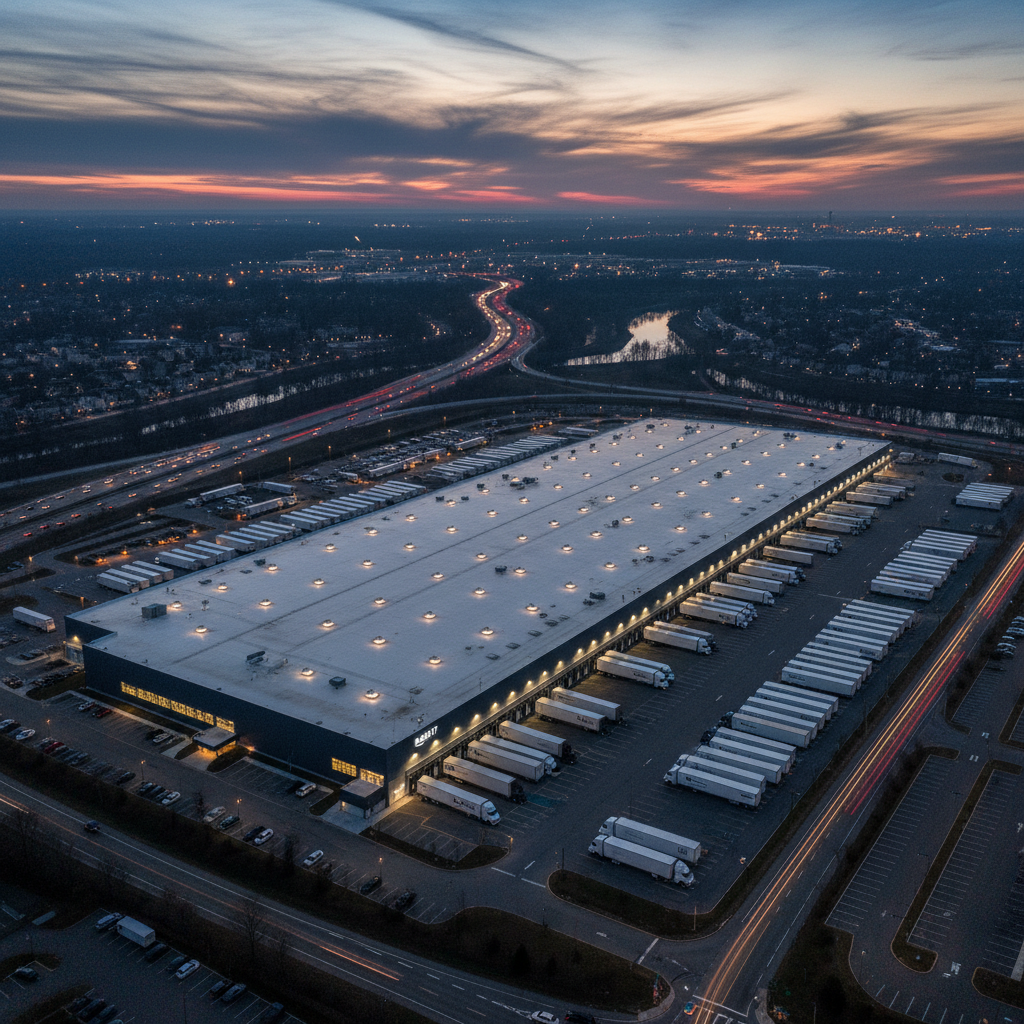
What Is BOS17 at Amazon?
Amazon uses short codes like BOS17 to label its facilities. “BOS” typically refers to the Boston area, and the number differentiates buildings in the region.
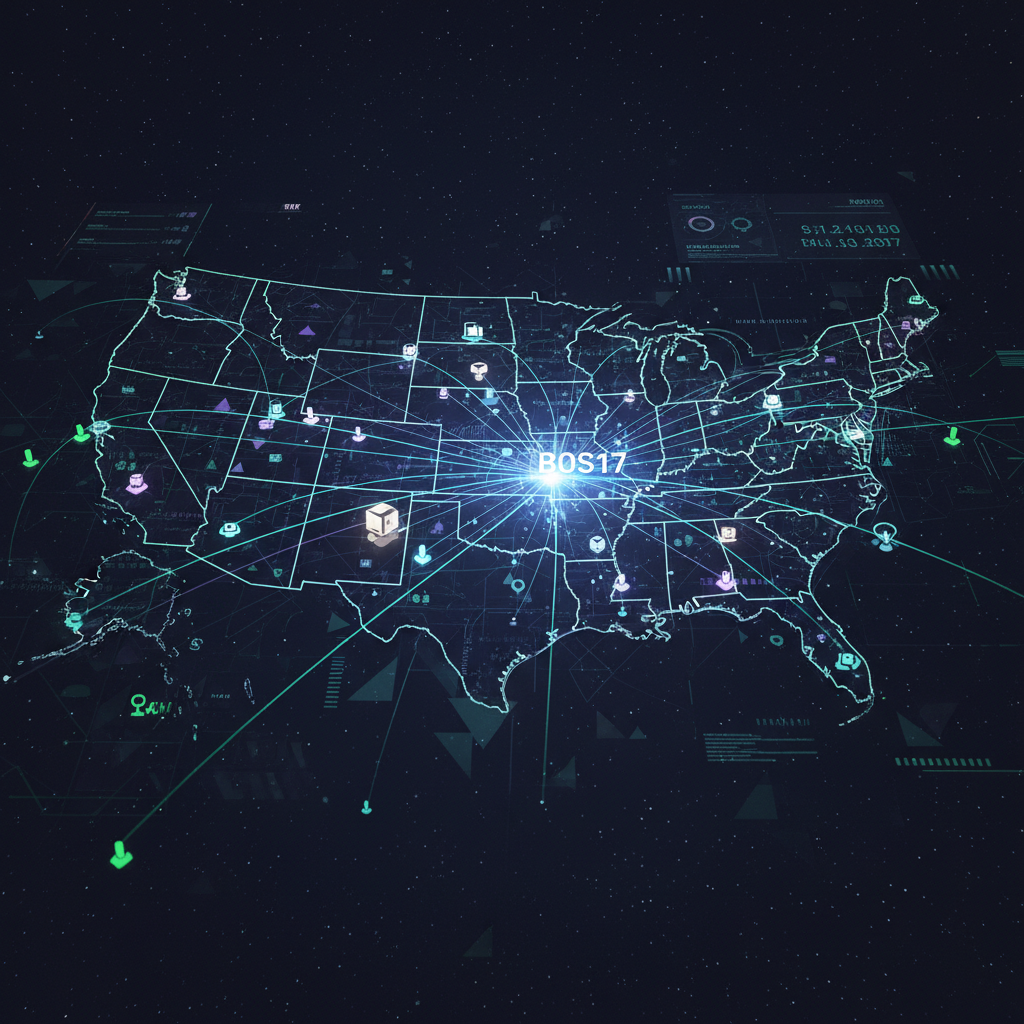
BOS17 is an Amazon sort center—one of those in‑between hubs where packages are organized and routed between fulfillment centers and last‑mile delivery stations.
Think of it like this:
- Fulfillment centers = where your order is picked, packed, boxed
- Sort centers (like BOS17) = where boxes are scanned, grouped, and routed by destination
- Delivery stations / DSPs = where packages are loaded into vans and cars for final delivery
If you live in parts of New England, there’s a decent chance that late‑night “shipped” notification you see includes a quiet pit stop at BOS17, even if the tracking page never spells it out.

Where Does BOS17 Fit in the Amazon Network?
To understand BOS17, you have to zoom out and look at Amazon’s logistics chain.
A typical journey for a package might look like:
- You place an order.
- Amazon’s systems figure out which fulfillment center (FC) has your item in stock closest to you.
- At the FC, workers and robots pick your items, pack them in boxes, and label them.
- Pallets or containers of boxes are trucked to a sort center like BOS17.
- At BOS17, packages are scanned, sorted by region, route, or carrier, and loaded onto trucks headed for delivery stations or USPS/UPS hubs.
- From there, your package gets loaded into a van, step van, or personal vehicle for last‑mile delivery.
Sort centers are optimized for speed and volume, not for storage. Packages don’t hang out long—they’re moving.
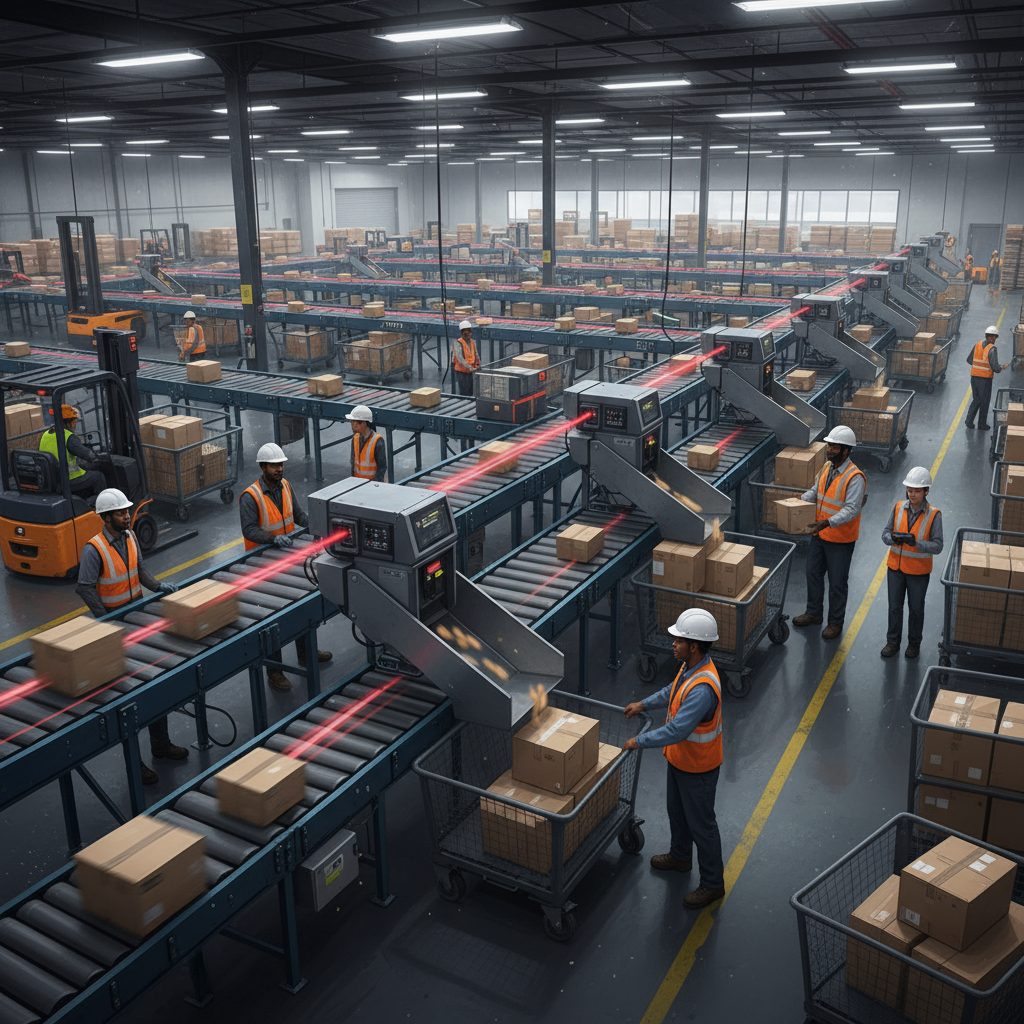
What Actually Happens Inside BOS17?
No, there’s no conveyor belt powered by caffeine and broken New Year’s resolutions—though it’s close.
Inside Amazon sort centers like BOS17, you’ll typically find:
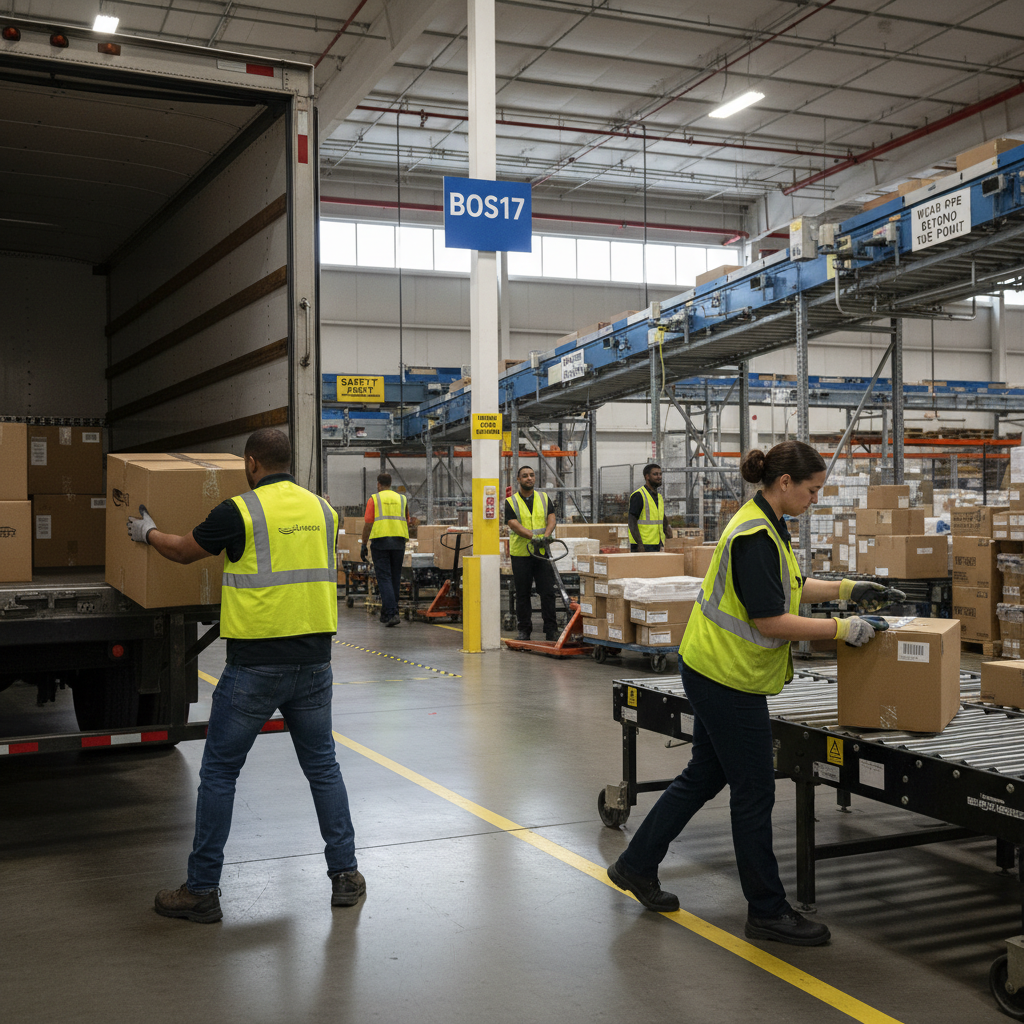
1. Inbound: Trailers Arrive Loaded With Packages
Semi‑trailers or box trucks roll up to BOS17 loaded with packages from nearby fulfillment centers.
- Workers unload packages.
- Everything is scanned into the system so Amazon knows exactly what’s in the building at all times.
2. Automated Sorting
This is where the real choreography happens:
- Packages ride long stretches of conveyor belts.
- Barcode scanners read labels as boxes zip by.
- Automated systems direct each package to the correct chute or lane based on zip code, route, carrier, or delivery station.
Heavier or oddly shaped items may get special handling, but most boxes flow through highly automated lines.
3. Outbound: Building the Right Loads
Once sorted, packages are:
- Grouped into rolling carts, pallets, or gaylords (big containers).
- Staged at outbound docks.
- Loaded into trucks headed to delivery stations that serve specific neighborhoods or regions.
Most packages are in and out of a sort center within hours, not days.
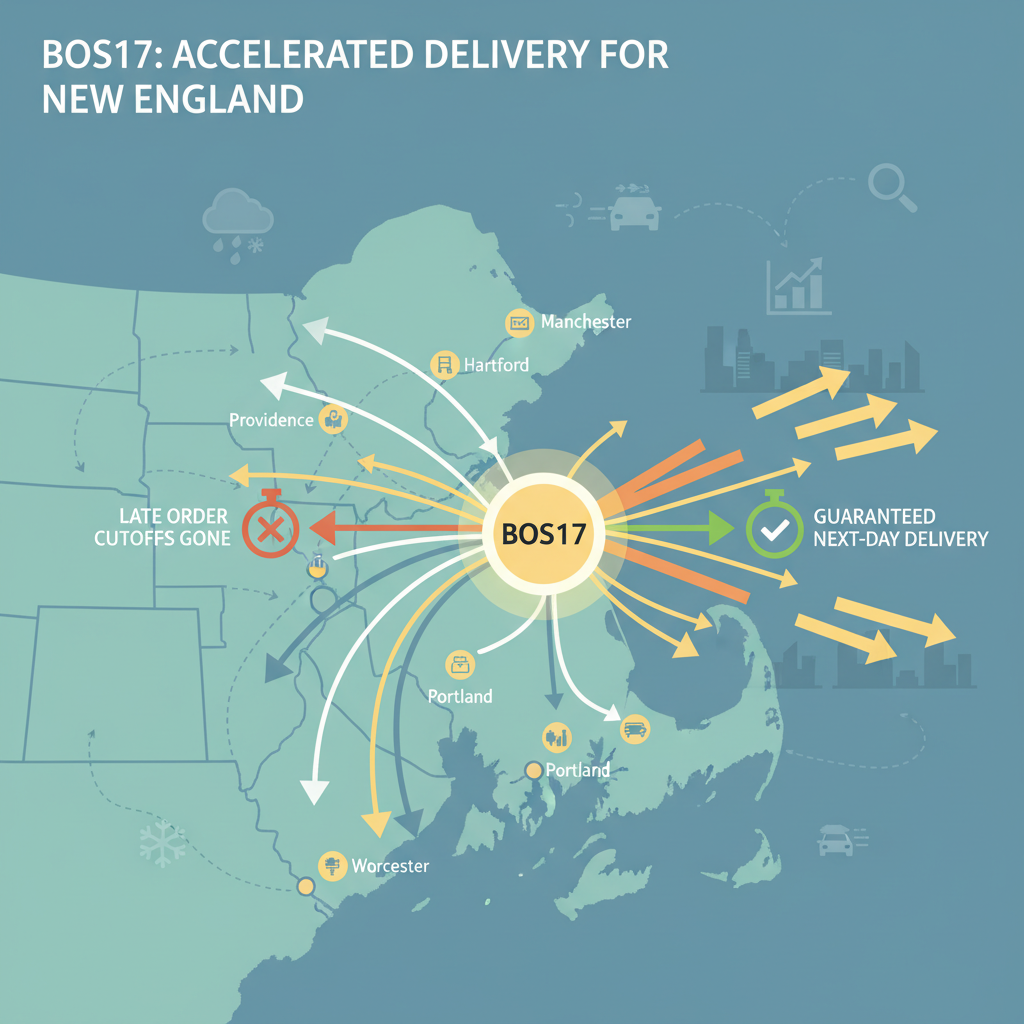
Why Does BOS17 Matter for Delivery Speed?
You know those scary‑accurate “Order within 1 hour 23 minutes to get it tomorrow” messages?
Sort centers like BOS17 are one of the reasons Amazon can make (and usually keep) those promises.
Here’s how BOS17 helps shorten delivery times:
-
Region‑specific routing
By keeping sorting closer to the final delivery region, Amazon can adjust and optimize based on real‑time conditions (volume spikes, weather, staffing, etc.). -
Later cut‑off times
The closer a sort center is to your market, the later Amazon can accept an order and still realistically get it onto a truck that night. -
Redundancy and capacity
Multiple sort centers in a region allow Amazon to absorb peak seasons (hello, holidays and Prime Day) without everything collapsing into chaos. -
Cost efficiency
By consolidating and routing packages in bulk through BOS17, Amazon can use line‑haul trucking more efficiently and keep last‑mile trips shorter and denser.
Jobs at BOS17: What Is It Like to Work There?
If you’ve landed here because you’re Googling “BOS17 Amazon job” or saw the code on a job posting, you’re probably wondering what the work is actually like.
At a high level, roles at a sort center like BOS17 often include:
-
Warehouse associate / sortation associate
Scanning packages, moving carts, loading/unloading trailers, monitoring conveyor lines. -
Problem solver / quality roles
Handling packages that got misrouted, damaged, or can’t be read by scanners. -
Area managers / shift managers
Overseeing teams, managing volume, keeping throughput high while trying to hit safety and performance targets.
Typical realities of the work:
- Physical: You’re on your feet, walking, lifting boxes (usually within specified weight limits). It’s a workout, but not a desk job.
- Repetitive but fast‑paced: Same motions, different box—over and over, but at speed.
- Shifts: Early mornings, overnights, weekends are common, especially during peak.
- Seasonal surges: Workload spikes hard in November–December and around big sales events.
Many people see facilities like BOS17 as:
- A stepping stone into logistics or operations.
- A bridge job while in school or between careers.
- A longer‑term path into management or specialized roles if they stay and move up.
Can You Visit BOS17 or Pick Up a Package There?
This is a common confusion: seeing BOS17 on tracking and wondering if you can just drive there and grab your package.
Generally, no:
- Sort centers like BOS17 are not customer pickup locations.
- There’s no retail counter, no “will call” desk, and no way to walk in and ask for your package.
- Security and safety rules are tight—these are working industrial sites.
If your tracking says a package is stuck at a facility like BOS17:
- You’ll need to handle it through Amazon customer service or the app.
- Occasionally, packages may sit longer due to weather, volume, or an exception scan, but they are not available for public pickup.
What If My Package Is Stuck at BOS17?
You refresh tracking for the 47th time and all you see is: “Arrived at Amazon facility – BOS17.” No movement. Now what?
Here’s what usually helps:
-
Give it 24–48 hours.
Most delays clear on their own, especially after weekends or storms. -
Check for delivery updates in the app.
Sometimes the status lags behind the actual movement by a few hours. -
If it’s 3+ business days with no change:
Use the Amazon app or website to contact support.
They’ll either trace the package or issue a replacement/refund. -
During peak seasons:
Slight slowdowns at sort centers are normal. The volume can be massive, but complete losses are relatively rare.
How BOS17 Fits Into the Bigger Picture of E‑Commerce
Beyond your single package, BOS17 represents a bigger shift:
-
Hyper‑regional logistics
Instead of a few giant hubs for the whole country, Amazon uses a dense network of facilities—fulfillment centers, sort centers, delivery stations—close to major population pockets. -
Data‑driven routing
Every time a package moves through BOS17, Amazon’s systems learn about demand patterns, volume, transit times, and bottlenecks. -
Customer expectations reset
Thanks to sites supported by hubs like BOS17, 2‑day shipping went from “wow” to “bare minimum.” Now same‑day and next‑day are the new normal in many areas.
This doesn’t just affect Amazon—it pressures every other retailer to level up their logistics game.
Quick FAQ About BOS17 Amazon
Is BOS17 a fulfillment center or a delivery station?
BOS17 is a sort center—it sits between fulfillment centers and delivery stations.
Can I work at BOS17?
If there are open roles, they’ll usually show up on Amazon’s jobs site listing sort center associate or similar positions in the Boston/greater New England area.
Can I pick up a package at BOS17?
No. It’s not a customer service or pickup location.
Why do I see BOS17 on my tracking sometimes but not always?
Amazon doesn’t always expose every internal scan or every internal facility code. Sometimes you’ll only see broader status updates like “In transit” or “Out for delivery.”
Final Thoughts: BOS17 Is the Middle‑Child of Your Delivery Story
Your package’s life has three big acts:
- Act I – Fulfillment center: It’s picked, packed, and labeled.
- Act II – Sort center (like BOS17): It’s scanned, routed, and shipped toward your local area.
- Act III – Delivery station & driver: It’s loaded into a vehicle and dropped at your door.
BOS17 lives in Act II—the part most customers never see but absolutely depend on.
So the next time your tracking quietly mentions “Arrived at Amazon facility – BOS17”, you’ll know what’s happening: an army of people, machines, and algorithms are working behind the scenes to get that box from “somewhere in the system” to your front porch.
You don’t have to think about BOS17 every time you order something.
But it’s kinda cool to know it’s there, right?
Leave a Reply