Amazon SJC38: Inside a Modern Fulfillment Center
If you’ve ever tracked an Amazon package and thought, “What on earth is happening between ‘Shipped’ and ‘Out for delivery’?”, there’s a good chance a building like Amazon SJC38 is in the middle of that story.
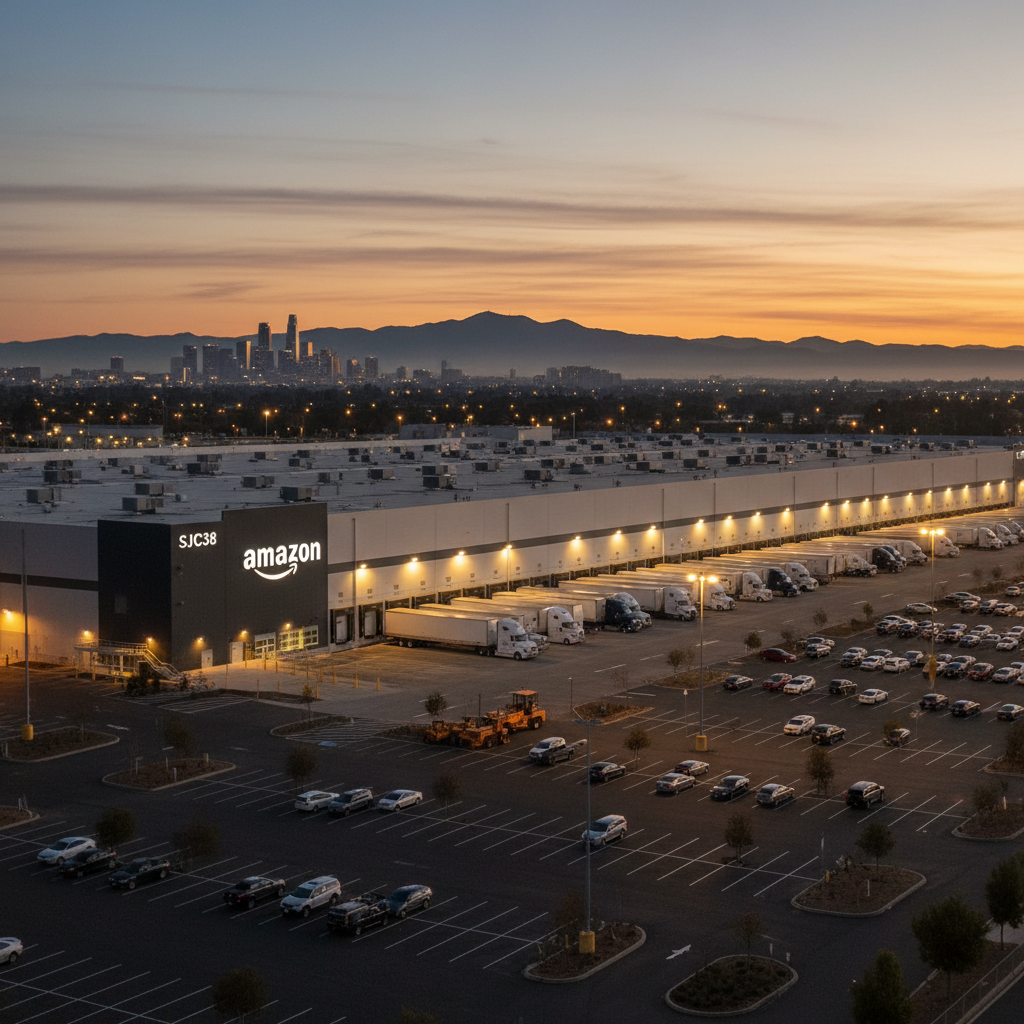
SJC38 isn’t a mystery code or a secret product. It’s the internal name for one of Amazon’s fulfillment centers — a massive, highly organized warehouse where your online shopping cart becomes a taped-up box on your doorstep.
In this post, we’ll unpack (sorry) what Amazon SJC38 likely is, how these facilities work, and what it means for workers, customers, and the surrounding community.
What is Amazon SJC38?
Amazon uses a mix of airport-style codes plus numbers to label its facilities. The “SJC” typically refers to the San Jose, California area (same as the airport code), and the number helps Amazon distinguish between multiple buildings in that region.
So, Amazon SJC38 is best understood as:
- A specific Amazon fulfillment or sortation center in the broader San Jose/Silicon Valley region.
- One node in Amazon’s multi-layered logistics network that moves products from seller to shelf to truck to you.
- A high-volume operation that may employ hundreds to thousands of workers across different shifts.
You usually won’t see “SJC38” on Amazon’s customer-facing pages. Instead, it might show up on:
- Your tracking history (sometimes in small print or scan codes)
- Job postings (e.g., “Now hiring at Amazon SJC38”)
- Local news talking about new Amazon facilities
Where does SJC38 fit in Amazon’s network?
To understand SJC38, it helps to zoom out and look at Amazon’s logistics ecosystem. Amazon runs different types of facilities, each with its own job:
- Fulfillment Centers (FCs): Store inventory, pick, pack, and ship orders.
- Sortation Centers: Group packages by destination region and route them to the right last‑mile carriers.
- Delivery Stations: Final stop before packages go on vans or Flex drivers for doorstep delivery.
- Specialized Sites: Like returns centers, specialty fulfillment for big/bulky items, or fresh/grocery.
SJC38 is almost certainly one of the first two: a fulfillment or sortation center that feeds the Bay Area and possibly other parts of California and the West.
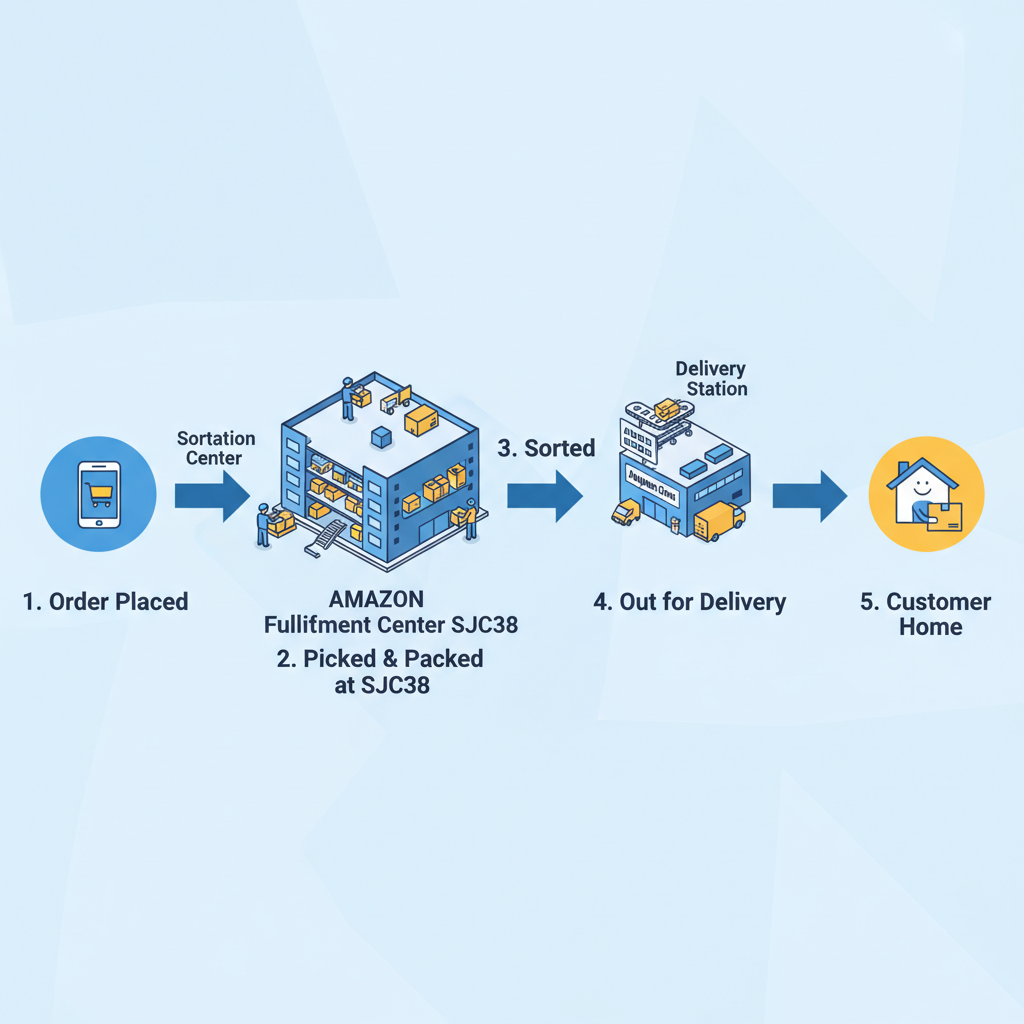
Here’s a simplified version of how SJC38 might fit in your package’s journey:
- You place an order.
- Amazon’s systems decide which building (maybe SJC38) has your item and can ship it fastest.
- Workers and robots inside SJC38 pick and pack your order.
- The package is labeled and either:
- Goes directly to a delivery station, or
- Goes to a sortation hub first, then to a delivery station.
- A delivery driver picks it up and brings it to your door.

What actually happens inside Amazon SJC38?
Let’s walk through a typical day inside a facility like SJC38.
1. Inbound: Receiving inventory
Trucks arrive loaded with products from:
- Amazon-owned warehouses upstream
- Third‑party sellers
- Manufacturers and distributors
Inbound teams:
- Unload pallets and boxes using forklifts and pallet jacks.
- Scan items into Amazon’s inventory system.
- Send items to storage areas via conveyor belts or carts.
2. Stow: Putting items away (but not like a normal store)
Here’s a fun twist: Amazon doesn’t store items like a traditional retail backroom. Instead of all the toothbrushes here and all the phone cases there, items are randomly stowed into bins.
Why? Because computers track location better than humans, and random stowage:
- Speeds up restocking
- Minimizes walking distance
- Increases flexibility when SKUs (product types) change constantly
Workers or robots:
- Take totes of items
- Scan a bin
- Place items in that bin
The system then knows: Bin X on shelf Y in pod Z has these items. That’s enough to find it later.

3. Picking: Grabbing items for orders
When you click “Buy Now,” your order creates pick tasks.
In a center like SJC38 this can look like:
- Robotic pods (Kiva-style robots) bringing shelves to human pickers.
- Or humans walking aisles with handheld scanners and carts.
Pickers:
- See instructions on a screen: “Go to bin ___, pick 2 units of ___.”
- Scan the bin and the item to confirm accuracy.
- Place items into a tote or cart assigned to your order.
4. Packing: Boxes, tape, and labels
Once all items for an order are picked, it moves to pack stations.
Packers:
- Confirm items match the order.
- Choose the right box or mailer.
- Add dunnage (paper, airbags) if needed.
- Weigh the box and seal it.
- Apply a shipping label generated by Amazon’s system.
From your point of view, this is the moment the product goes from “shelf in a building” to “my package.”
5. Outbound: Getting packages on the road
From pack, boxes move on conveyor belts to outbound docks.
There they are:
- Sorted by zip code / region.
- Loaded onto trailers for Amazon Logistics, USPS, UPS, FedEx, or other carriers.
SJC38 might send packages to multiple delivery stations across the Bay Area and beyond.

What is it like to work at Amazon SJC38?
Experiences can vary a lot, but there are some common themes people report at facilities like SJC38.
Pros workers often mention
- Pay: Starting wages are usually above local minimum wage, with potential bonuses or surge pay during peak.
- Benefits: Full‑time roles often include health insurance, 401(k) options, and paid time off.
- Schedules: Multiple shift options (overnight, weekends, part‑time, full‑time) that can fit school or family needs.
- Entry path: No degree required for most warehouse roles; some see it as a stepping stone to other careers.
Challenges people talk about
- Physical intensity: Lots of standing, walking, lifting, and repetitive motions.
- Pace and quotas: Productivity metrics (items per hour, etc.) can feel stressful.
- Noise and environment: Conveyor belts, scanners, constant motion — it’s not a quiet office.
- Long shifts: 10–12 hour shifts aren’t uncommon, especially during peak seasons like holidays.
If you’re considering working at Amazon SJC38, it’s smart to:
- Check recent reviews on job sites using the facility code (SJC38) and nearby city name.
- Look at the specific job role — stower vs picker vs packer vs problem-solver can feel very different.
- Think honestly about your comfort with repetitive physical work and strict schedules.
How does SJC38 impact the local community?
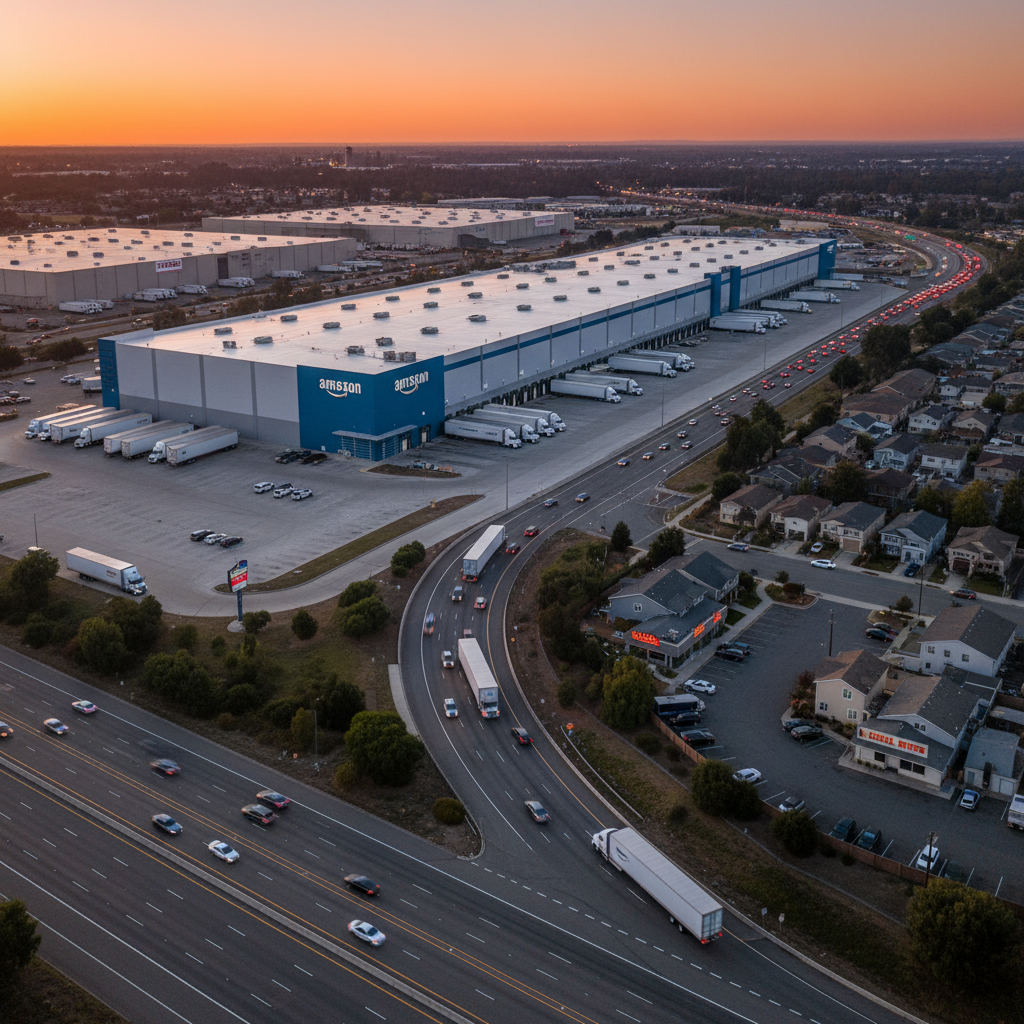
A building like SJC38 doesn’t exist in a vacuum. It affects the local economy, traffic, and even the job market.
Economic impact
- Jobs: Hundreds of direct jobs, plus indirect work for local trucking, maintenance, security, and staffing firms.
- Local spending: Employees spend wages on housing, food, transportation, and services nearby.
- Tax base: The facility can contribute to local sales, property, and business taxes, depending on local laws.
Infrastructure & traffic
- Increased truck traffic near the facility.
- Possible stress on local roads during shift changes.
- In some areas, Amazon contributes to road improvements or traffic plans; in others, it becomes a point of tension.
Real estate & business ecosystem
- Large facilities can influence industrial real estate prices.
- They may attract related businesses (logistics firms, packaging suppliers) nearby.
Why does Amazon create so many sites like SJC38?
You might wonder: why not just have a few giant mega‑warehouses instead of dozens of facilities with weird codes like SJC38?
Two big reasons: speed and resilience.
1. Faster delivery
To hit same‑day or next‑day delivery, Amazon needs products physically close to customers.
More regional centers like SJC38 mean:
- Shorter shipping distances
- More predictable delivery times
- Lower shipping costs over time
2. Network resilience
If one facility has an outage, weather event, or other disruption, Amazon can:
- Reroute inventory
- Shift orders to other nearby warehouses
A distributed network is like having multiple backups — less glamorous than a single super‑warehouse, but much more practical.
FAQs about Amazon SJC38
Is Amazon SJC38 open to the public?
Generally, no — it’s a working industrial site, not a retail store. However, Amazon sometimes offers public tours at select fulfillment centers. You can check Amazon’s official tour pages to see if any locations near San Jose are open for visits.
Can I choose to have my order shipped from SJC38?
No. Amazon’s systems automatically decide which facility will ship your order based on inventory, distance, and capacity. You can’t manually pick SJC38 (or any other building) at checkout.
I see “SJC38” on my tracking info. Is that normal?
Yes. Internal facility codes sometimes show up in tracking logs or on carrier labels. It just means your package passed through that building at some point.
How do I apply for a job at Amazon SJC38?
The usual route is:
- Go to Amazon’s jobs site.
- Search for warehouse roles near your city or zip code in the San Jose area.
- Look for postings that mention SJC38 in the description or location details.
You can often filter by shift, full‑time/part‑time, and role type.
Final thoughts: Why SJC38 matters (even if you never see it)
You’ll probably never walk into Amazon SJC38, and you might only notice its code in tiny tracking details or job ads.
But facilities like SJC38 are a big part of why:
- You can order something at night and see it on your porch the next afternoon.
- Third‑party sellers can reach customers quickly without running their own warehouses.
- Local economies near big cities see new kinds of logistics work and infrastructure.
So the next time you see a mysterious “SJC38” pop up in your tracking history, you’ll know: that’s not a glitch, it’s an entire building full of people, robots, conveyor belts, and barcodes, all working together to get your stuff from “Add to Cart” to your front door.
Leave a Reply