LPN RR Labels at Amazon Explained
If you’ve ever stared at an LPN RR label on an Amazon box and thought, “Did my package just get a license plate?”, you’re not alone. Those mysterious codes are a big deal in Amazon’s logistics world—and they matter if you’re a seller, warehouse worker, or just a very curious customer.
Let’s unpack what LPN RR Amazon actually means, why it exists, and how it affects inventory, returns, and your bottom line.
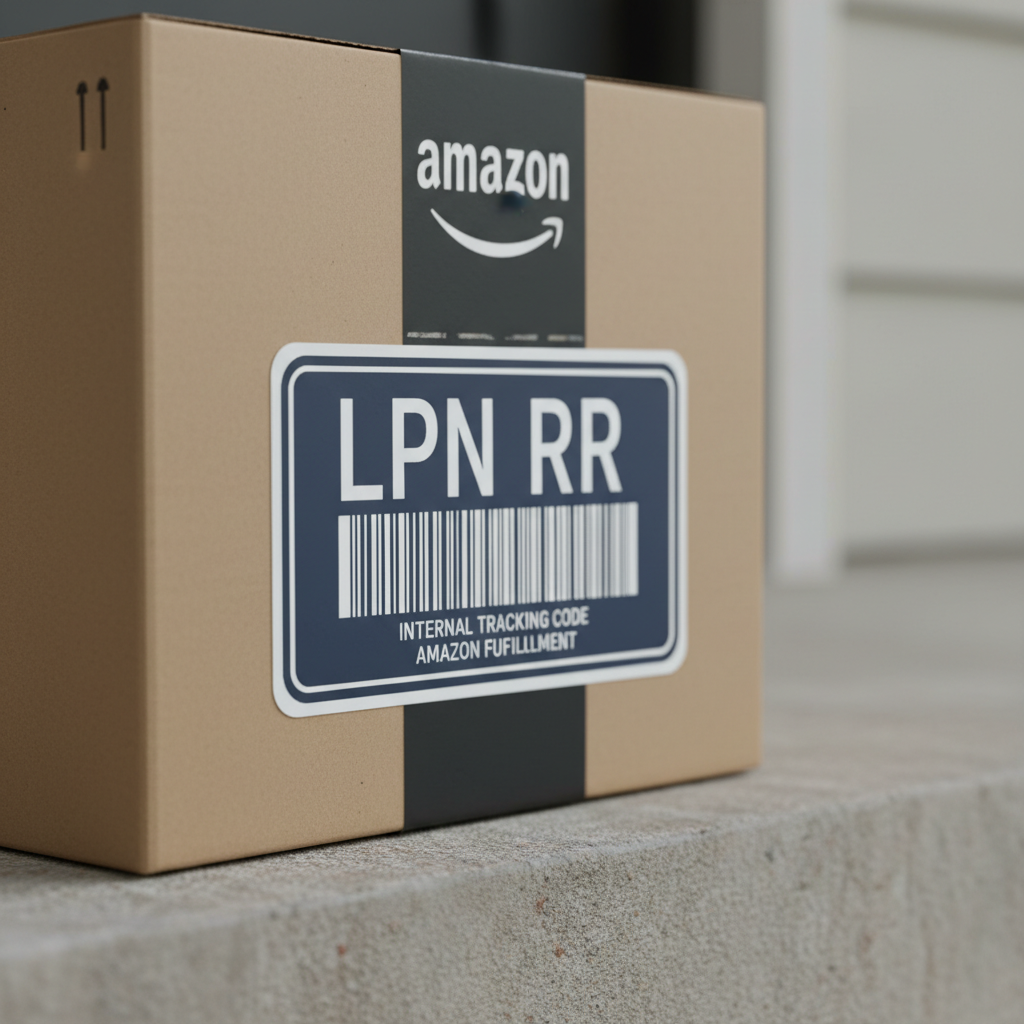
What does “LPN RR” mean at Amazon?
In Amazon’s fulfillment network, LPN generally stands for License Plate Number – a unique identifier assigned to individual units or packages. Think of it like a tracking number used inside the warehouse.
The extra “RR” usually shows up on return-related labels. In practice, people often see “LPN RR” on:
- Returned items
- Repackaged units
- Warehouse-ready return inventory
So when you see an LPN RR label on an Amazon item, it’s usually a sign that:
- The unit has been processed as a return or
- It’s being re-labeled / repackaged for internal handling
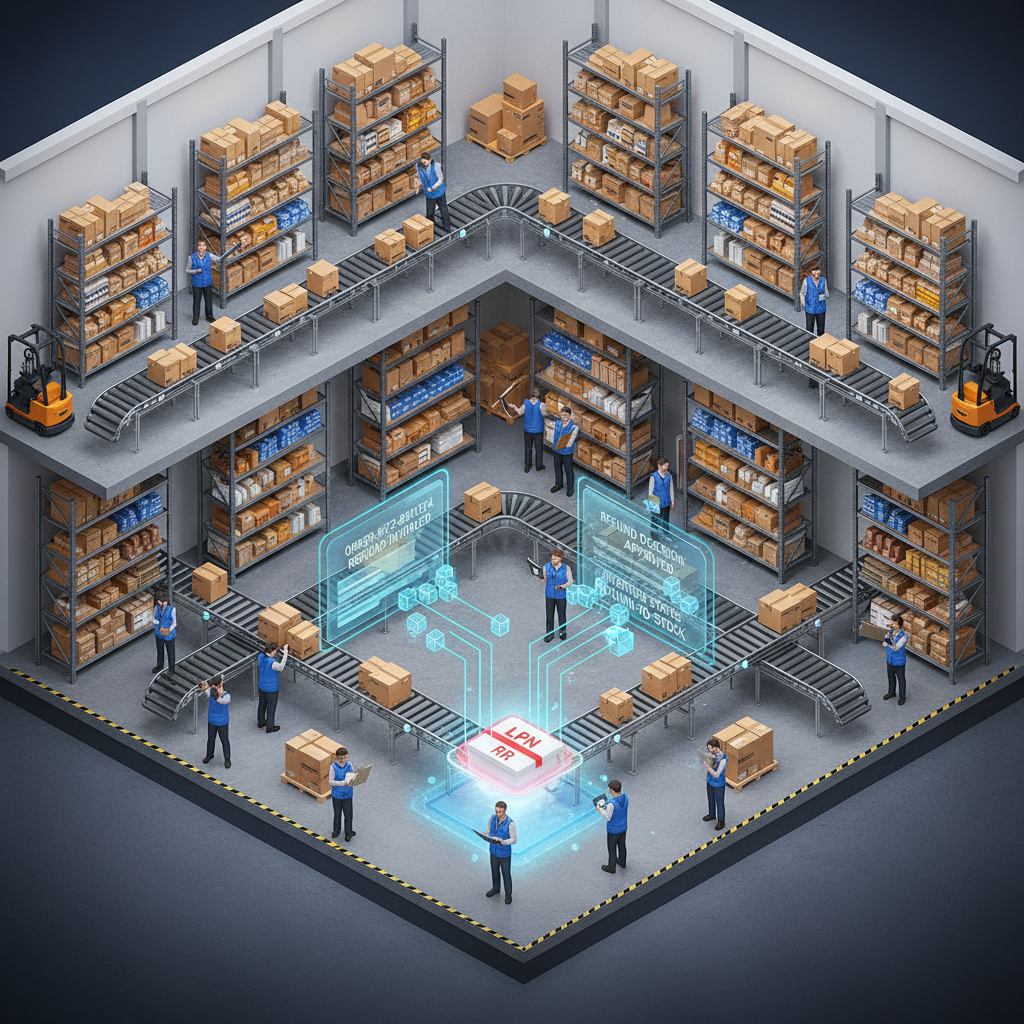
Why does Amazon use LPN RR labels at all?
Because without them, Amazon’s warehouses would be chaos.
An LPN RR label lets Amazon:
-
Track individual returned units
Even if multiple customers return the same ASIN, each physical unit still needs its own identity. The LPN RR gives that unit a unique “name.” -
Tie the physical unit to the original order
That helps determine: Was it within the return window? Who paid? Is a refund or replacement owed? -
Decide what happens next
Based on the condition inspection, a unit might be:- Returned to sellable inventory
- Marked as used / open box
- Sent to liquidation, recycling, or disposal
-
Audit and prevent abuse
LPNs help Amazon detect suspicious return patterns—like too many “defective” claims from the same account, or mismatched items in a return box.
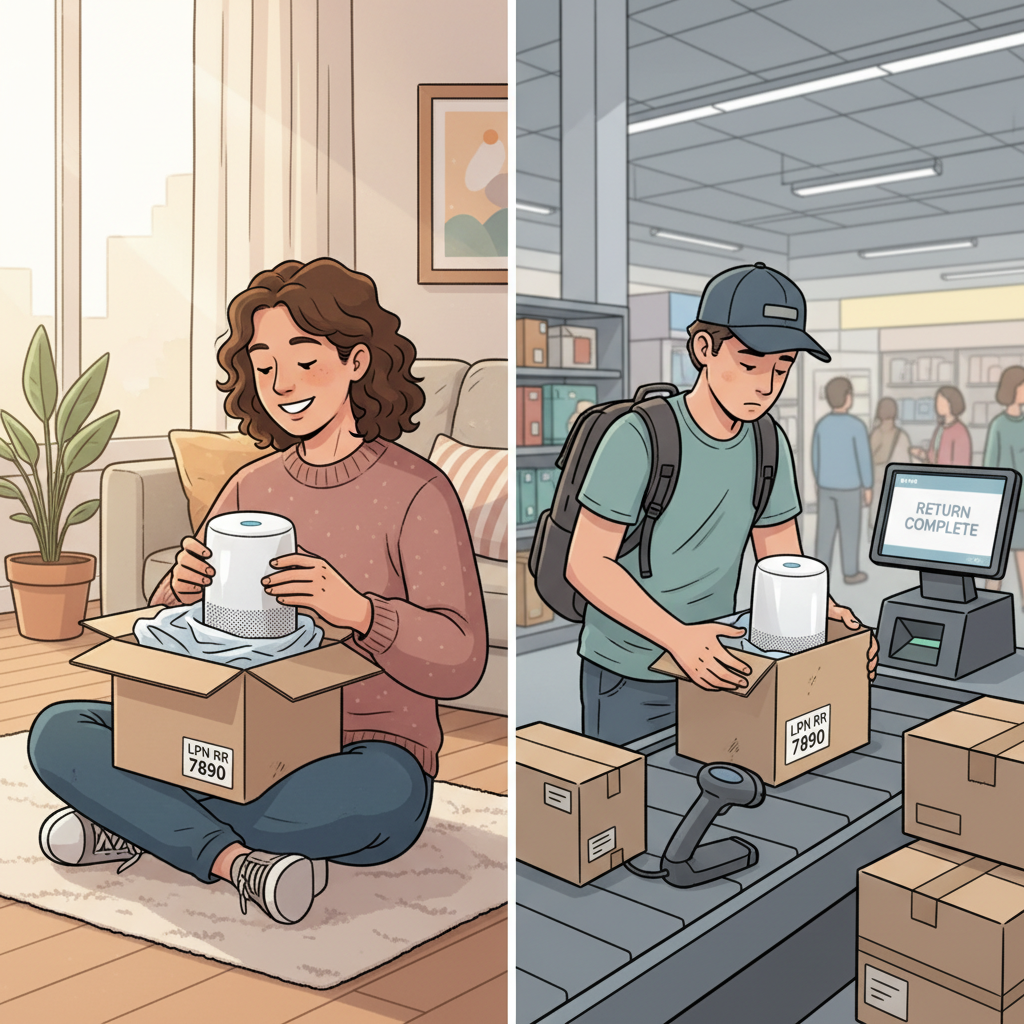
Where do you see LPN RR labels in real life?
You’ll most often spot LPN RR Amazon labels in three places:
1. On returned items you bought
Sometimes customers receive a product that has an LPN RR sticker on the box or packaging. That often means:
- The item was previously returned by another customer.
- It might have been inspected and considered sellable again.
- It could be from warehouse deals, open box, or similar channels.
If you ordered something advertised as new and it arrives with obvious LPN RR return labels, damaged packaging, or signs of prior use, that’s a good reason to contact Amazon support.
You order a “new” keyboard. It arrives with an LPN RR sticker and the cable is loosely wrapped. That suggests it’s a inspected return. You can:
- Check if you bought it from Amazon directly or a third-party seller.
- Request a return or replacement if it doesn’t match the listing condition.
2. In Amazon fulfillment centers (if you work there)
If you’re an associate in an Amazon FC (fulfillment center) or sort center, you’ll see LPN RR labels during:
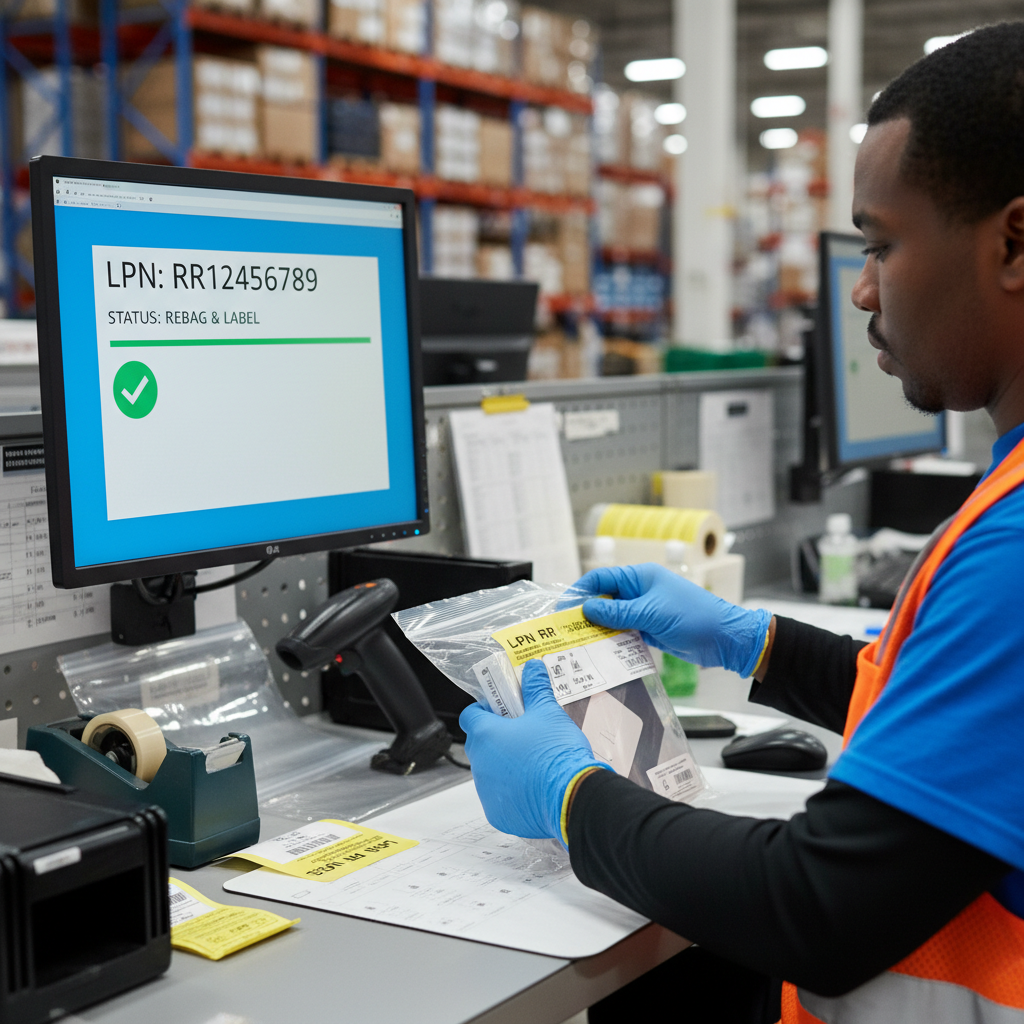
- Return processing (scanning, inspecting, re-bagging)
- Re-binning / shelving returned units
- Repackaging items into Amazon-branded or generic packaging
Your scanner and station software will usually treat the LPN as the primary ID, not the barcode on the product box. That makes it possible to track a unit even when packaging changes.
You’re at a returns station. A customer sent back a blender. You inspect it, it’s fine, you re-bag it, and print an LPN RR label. Now that exact unit is traceable through the entire warehouse lifecycle.
3. As an Amazon FBA seller (indirectly)
If you’re an FBA seller, you don’t usually create LPN RR labels yourself. Amazon does that when it handles units in its own network.
But LPNs play into:
- Returns reports (which units were returned, in what condition)
- Inventory adjustments (lost, found, damaged, repackaged)
- Reimbursement issues when units disappear inside the FC
You might see LPN references in internal support messages or case notes, especially when escalating inventory problems.
Is an LPN RR item always used or bad?
Not necessarily.
An LPN RR label doesn’t automatically mean the product is:
- Broken
- Used heavily
- Fake
It means the item went through the returns process and was tracked as an individual unit.
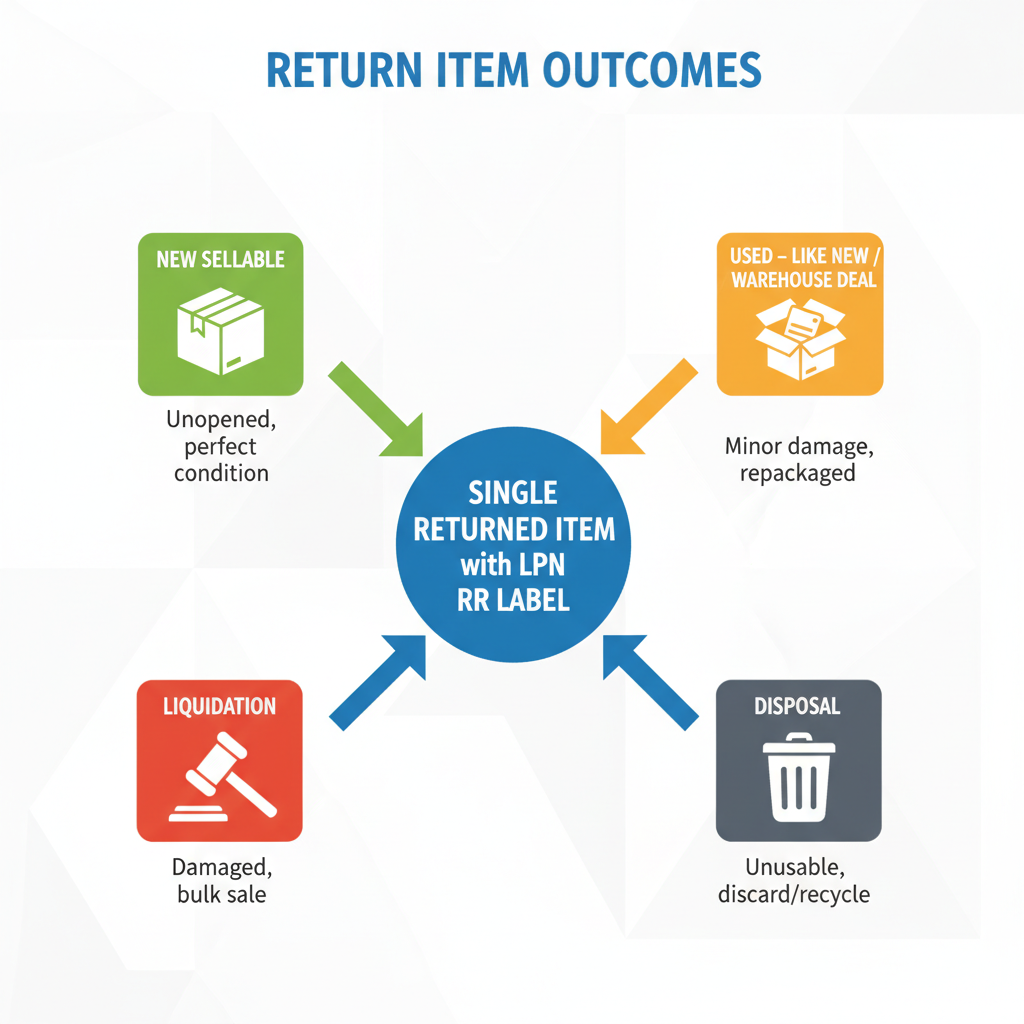
What happens next depends on Amazon’s internal checks:
- If it looks brand new and unopened → it may go back to new sellable inventory.
- If the packaging is opened but the product is fine → it might become “used – like new” or go into a warehouse deal.
- If it’s damaged, missing parts, or unsafe → it’s usually pulled from normal sellable stock.
Red flag for buyers:
If you specifically paid for new and see obvious LPN RR return stickers + signs of prior use (fingerprints, missing protective films, etc.), that’s not what you agreed to. Use your return rights.
How LPN RR affects Amazon FBA sellers
If you’re an FBA seller, understanding LPN RR helps you:
1. Make sense of messy return data
Each returned unit is tied to its own LPN. Internally, Amazon uses that to decide:
- Was the return seller-fault, carrier-fault, or customer-fault?
- Can the unit be sent back to sellable inventory, or should it be unsellable?
While you don’t see every LPN, the effects show up as:
- Changes in your available inventory
- Refunds issued
- Inventory adjustments like “lost,” “found,” or “damaged at FC”
2. Investigate strange inventory behavior
Ever see this?
- Units go missing from FBA inventory
- Then some quietly reappear
- Or you get a reimbursement out of nowhere
Behind the scenes, LPN-level tracking helps Amazon decide what to do with these discrepancies. If you open a case about missing inventory, support may reference internal LPN data when investigating.
3. Understand why a customer got a “return” as new
If customers complain that they received an item with LPN RR labels as “new,” that can be due to:
- Amazon commingling inventory from multiple sellers (especially for identical ASINs)
- Warehouse repackaging where inspected returns were allowed back into new stock
As a seller, you can:
- Use FNSKU-based labels (so your inventory is not mixed with others’ if that’s an option in your category)
- Monitor customer feedback for mentions of “used,” “open box,” “already opened,” or visible LPN labels
How should buyers react if they see an LPN RR Amazon label?
If you’re just a customer and you notice an LPN RR code on your order, here are some practical steps:
-
Check the condition carefully
- Is the product sealed?
- Are accessories, manuals, and cables all included?
- Any scratches, wear, or repackaged look?
-
Compare with the listing
- Was it sold as New, Renewed, Used – Like New, etc.?
- Was it from Amazon or a third-party seller?
-
Decide what feels acceptable
- If it looks perfect and you don’t care it might be a return, you can probably just use it.
- If anything feels off, or the condition doesn’t match what you paid for, you’re fully within your rights to return or exchange it.
-
Leave accurate feedback
- If you keep it, but something about the condition bugged you, mention it in a review.
- That helps other buyers and sometimes nudges Amazon/sellers to tighten QC.
Best practices for Amazon workers dealing with LPN RR items
If you work in or around an Amazon fulfillment center, some good habits go a long way:
- Always scan the LPN correctly
No shortcuts. The entire chain of tracking depends on clean scans. - Apply labels where they’re visible but not destructive
Don’t cover key product info or safety warnings if you can avoid it. - Follow the returns SOP (Standard Operating Procedure)
If something seems off—a wrong item in a box, obviously used item marked as new—flag it. The LPN is your evidence trail. - Handle repackaging with care
Sloppy repackaging creates customer complaints which lead to more returns… and more LPN RR labels.
Key takeaways: LPN RR Amazon in plain English
Let’s wrap it up:
- LPN = License Plate Number, an internal ID for a specific unit.
- RR usually indicates return-related handling.
- Amazon uses LPN RR labels to track returns, decide what to do with each unit, and keep inventory accurate.
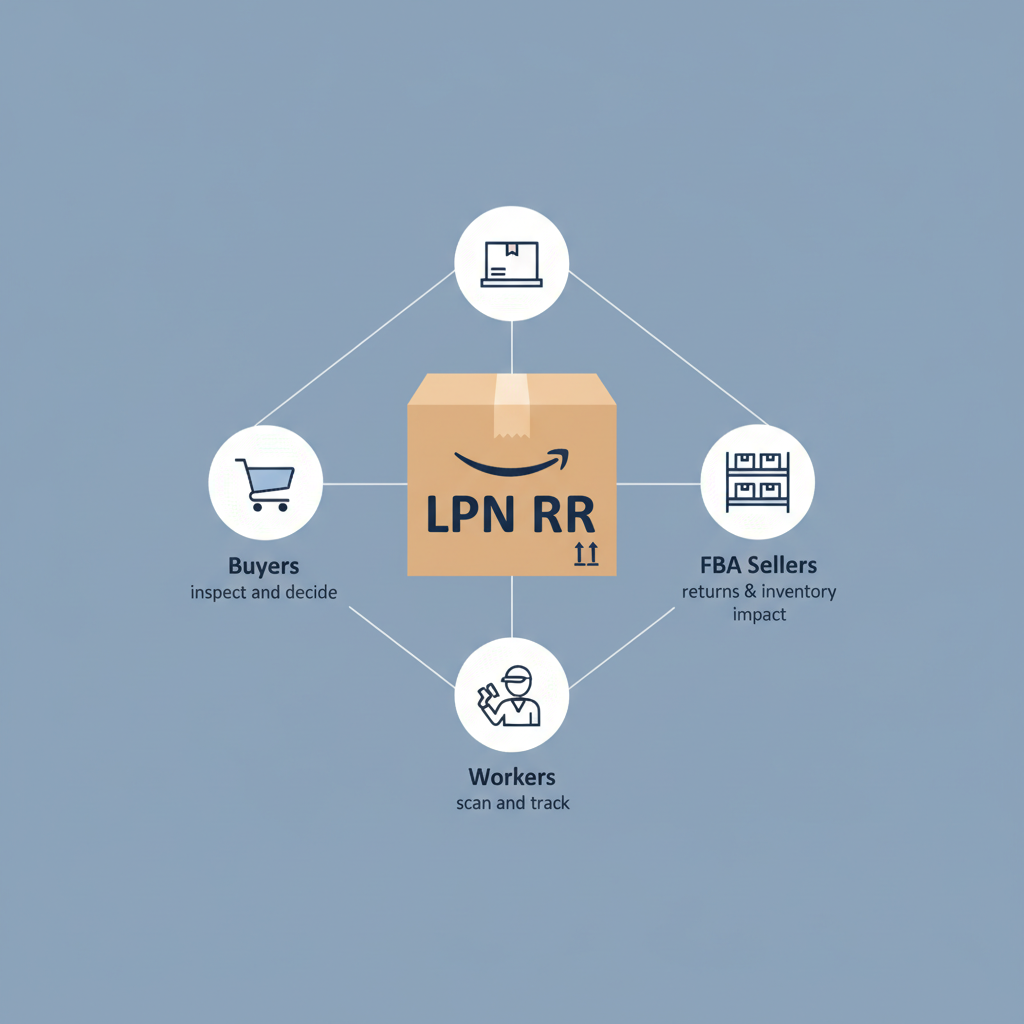
- Buyers: Seeing an LPN RR label means the item likely passed through the returns process. Inspect carefully and return it if it doesn’t match the promised condition.
- FBA sellers: You don’t print LPN RR labels, but they affect your returns, reimbursements, and how Amazon handles your stock.
- Workers: Correctly scanning and applying LPN RR labels keeps the whole system honest and traceable.
In short: LPN RR isn’t some secret Amazon code word—it’s just how a giant warehouse knows exactly which physical widget is which, especially once it’s been on a round trip through a customer’s hands.
Leave a Reply