Why Amazon Prime Ads Sparked a Petition
Remember when Amazon Prime Video meant no ads and no one had to do math to figure out what they were really paying for?
Yeah, about that.
In early 2024, Amazon flipped the switch: Prime Video started showing ads by default unless you paid extra every month for an ad‑free upgrade. According to Amazon’s own messaging and coverage at the time, U.S. Prime and standalone Prime Video subscribers suddenly found themselves in an ad‑supported tier unless they ponied up an additional fee to stay ad‑free. (cbsnews.com)
Cue outrage. Cue confusion. And now, cue petitions demanding Amazon remove ads from Amazon Prime.
This post breaks down why those petitions exist, what’s actually changed with Prime Video, what courts have said so far, and what you can realistically do as a customer if you’re not okay with paying more just to get back what you thought you already had.
What changed with Amazon Prime and ads?
Let’s set the stage.
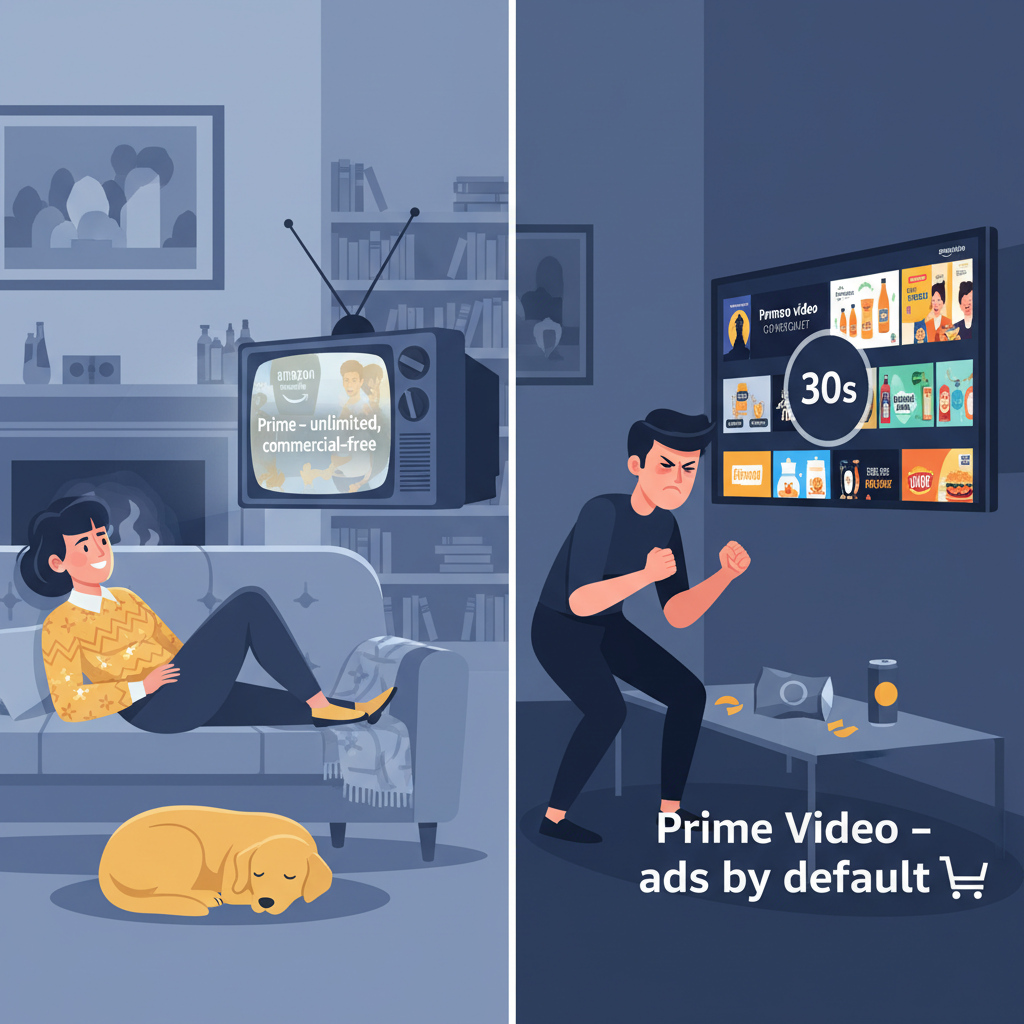
For years, Amazon Prime Video was essentially marketed and experienced as ad‑free streaming bundled into your Prime membership — a nice perk on top of free shipping. When Amazon launched Prime Video in the U.S., members were told they’d get “unlimited, commercial‑free streaming” as part of Prime. (mediapost.com)
Fast‑forward to January 2024:
- Prime Video introduces an ad‑supported experience as the default for all Prime members.
- To keep your shows and movies ad‑free, you now have to pay an extra monthly fee on top of your Prime membership (initially around $2.99/mo in the U.S.). (cbsnews.com)
- Over time, the ad load has reportedly increased to around 4–6 minutes of ads per hour, up from roughly 2.5–3 minutes when they started. (tvline.com)
“I pay for Prime, my video is ad‑free”
to
“I pay for Prime… and now I pay more if I don’t want ads.”
Amazon didn’t just add a new ad tier — they shifted everyone into it by default and put ad‑free behind another paywall.
Why are people starting petitions to remove ads from Prime?
Because people hate the feeling of paying twice for the same thing.
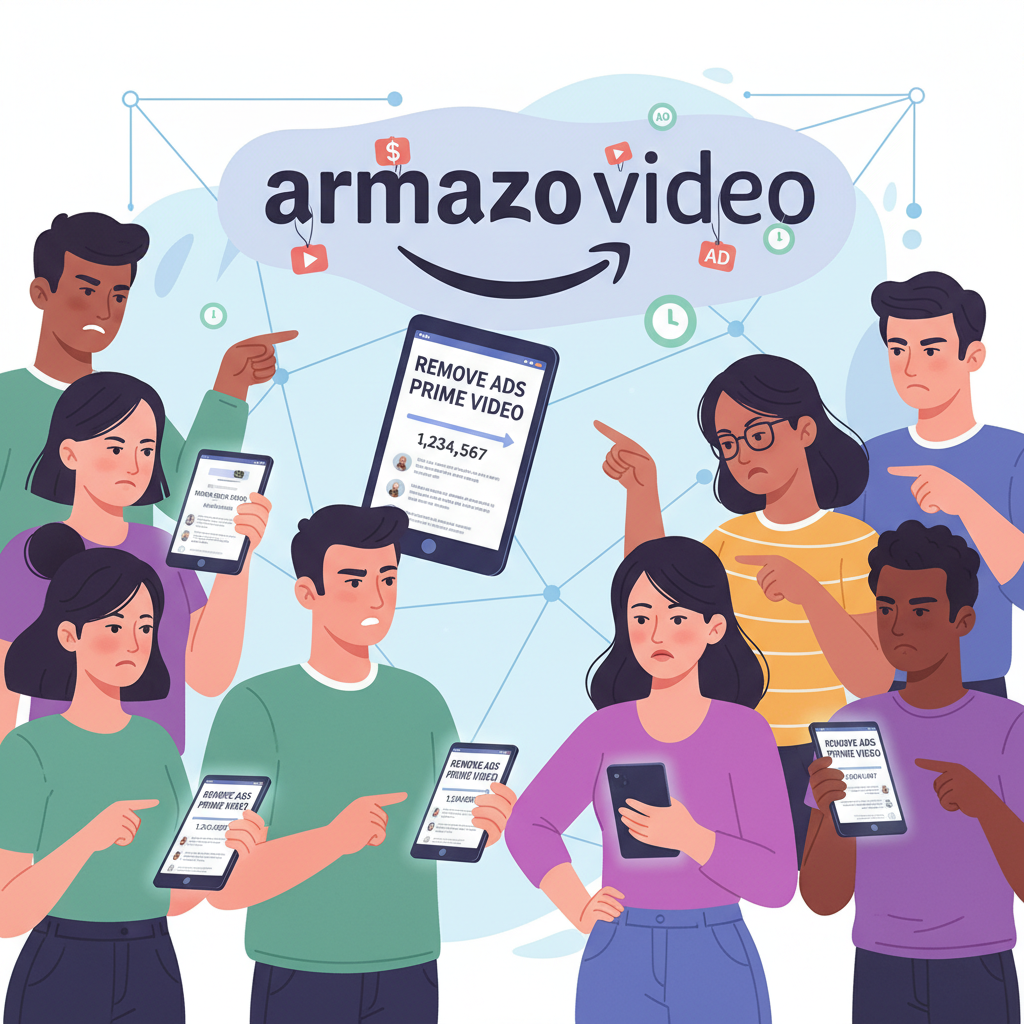
On platforms like Change.org, Prime members are launching petitions that argue:
- They signed up for Prime with a reasonable expectation of ad‑free streaming.
- Adding ads to a paid service feels like corporate greed and a “bait and switch.”
- Customers should not have to threaten to cancel or pay a surcharge just to get back the experience they originally bought.
One such petition explicitly urges users to cancel their Amazon Prime memberships until Amazon removes ads from paid Prime Video, framing this as a protest against “intrusive ads” in services customers already pay for. (change.org)
The logic is simple:
- Ads on a free service? Annoying but expected.
- Ads on a cheaper plan, with an optional ad‑free tier? Common now.
- Ads forced into a service that used to be ad‑free, unless you pay more? That feels like you’re being quietly upsold on your own plan.
The petition movement isn’t just about ads; it’s about trust, expectations, and the feeling that the deal changed mid‑stream.
Is adding ads to Prime Video even legal?
In the U.S.
Amazon has already been sued by Prime Video customers who argued that introducing ads unless they paid more was deceptive and broke their contract.
A group of subscribers filed a class‑action lawsuit claiming:
- They reasonably believed Prime Video would remain ad‑free when they subscribed or renewed.
- Introducing ads unless they paid more was an unfair “price increase” and a violation of consumer protection laws. (mediapost.com)
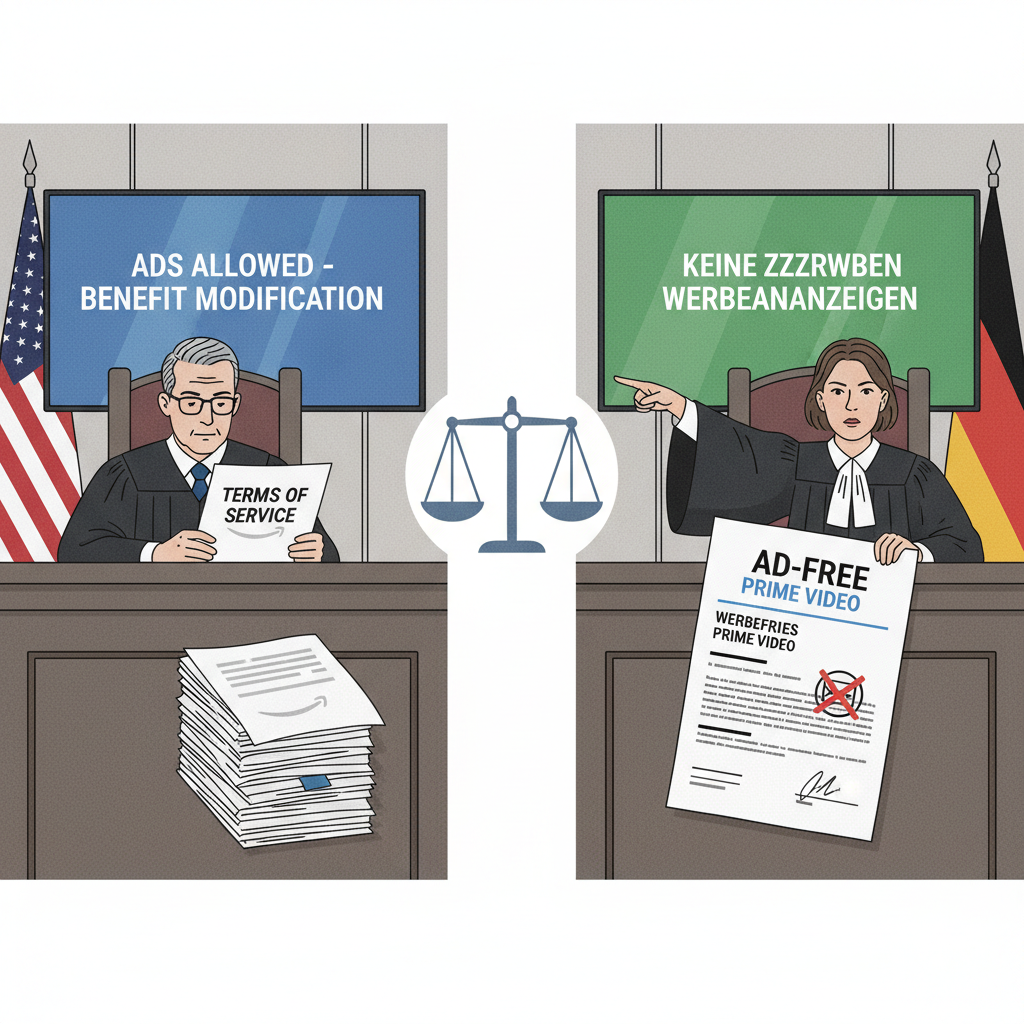
A federal judge in Washington dismissed the case in July 2025, essentially saying:
- Under Amazon’s terms of service, Amazon was allowed to modify benefits.
- Adding ads was considered a “benefit modification,” not a direct price increase.
- Customers were paying for access to the service, not a guaranteed ad‑free experience forever. (investing.com)
Translation: in the U.S., the court said Amazon can do this under its existing contracts and terms.
In Germany (and why that matters)
Meanwhile, in Germany, a consumer watchdog sued Amazon over a similar move. In December 2025, a Munich court ruled that Amazon couldn’t unilaterally introduce ads into a paid, previously ad‑free Prime Video service under its German contracts. The court said Amazon’s email to customers implying it only owed them an ad‑supported service was misleading under Germany’s unfair competition law. (brusselssignal.eu)
The court ordered Amazon to inform German Prime customers that they’re entitled to an ad‑free experience under the existing contract and can’t have that switched to ad‑supported without consent.
In the U.S., courts have largely sided with Amazon for now. In parts of Europe, courts are more skeptical. Petitions and legal fights are two different battlefield fronts — one is legal, the other is public pressure.
What do the petitions actually want?
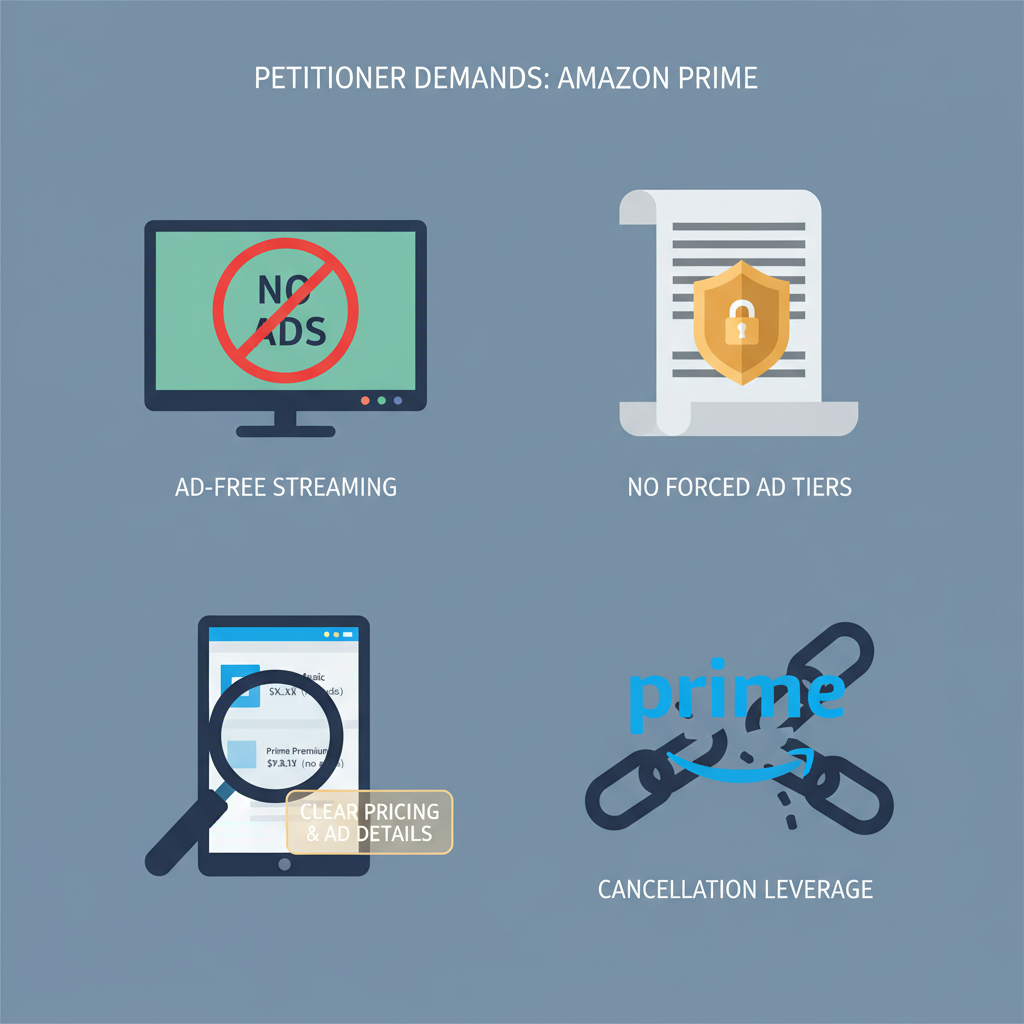
Most petitions around “remove ads from Amazon Prime” tend to call for one or more of these:
- Return Prime Video to fully ad‑free for all Prime members at the base subscription price.
- Ban forced ad tiers on paid subscriptions without explicit opt‑in renewal under clear new terms.
- Increase transparency in marketing — clearly stating whether “Prime” includes ads, how many, and what it costs to avoid them.
- Consumer leverage: encourage users to cancel Prime or downgrade until Amazon changes course.
Some are more realistic than others. Let’s be real: Amazon isn’t likely to just abandon a major new revenue stream unless the backlash hits where it hurts — churn, negative press, and long‑term brand damage.
Petitions are essentially a way to say: “Hey Amazon, we notice what you’re doing — and we’re not cool with it.”
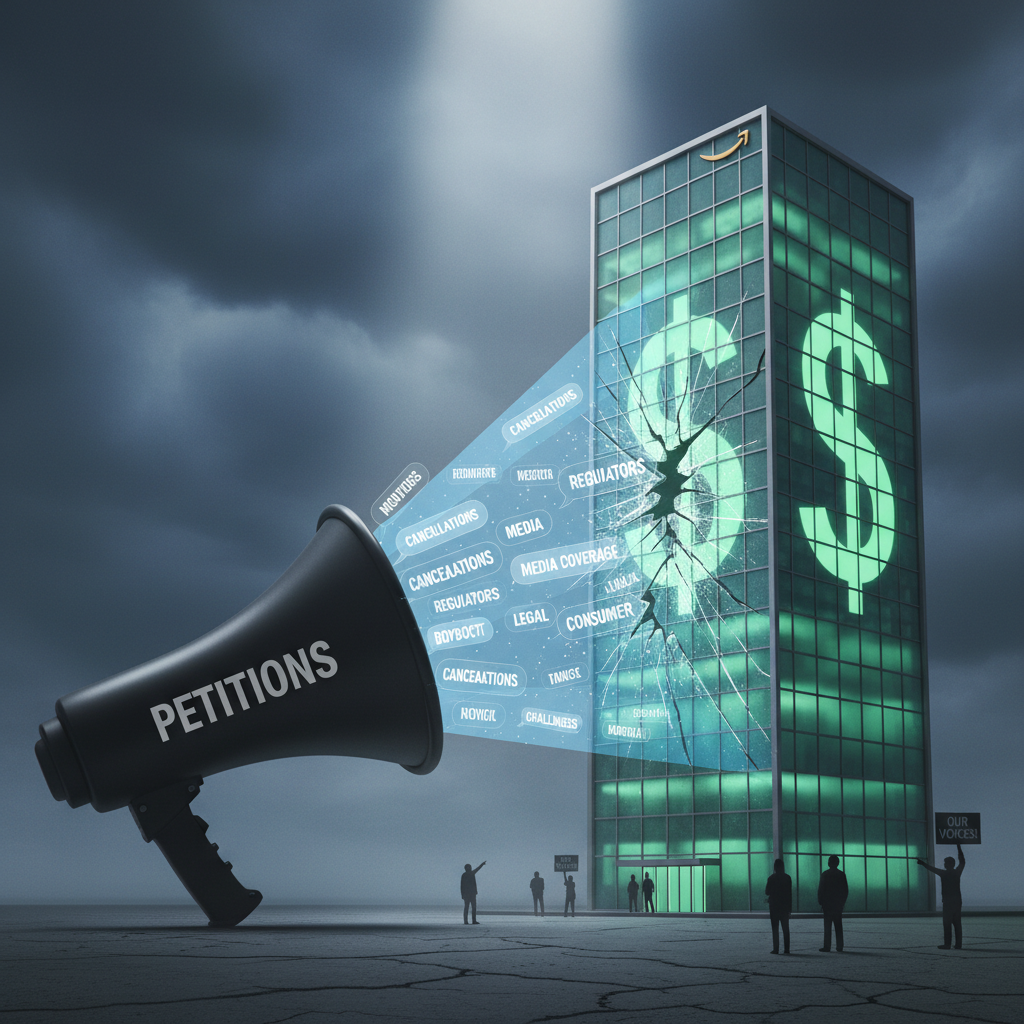
Does signing a petition to remove ads from Prime actually work?
Petitions can help, but they’re not magic.
What petitions can do
- Signal consumer sentiment. A large, well‑publicized petition can create negative headlines Amazon doesn’t want.
- Shape media coverage. Journalists love numbers: “Hundreds of thousands of Prime members sign petition…” is a story.
- Support regulators and advocacy groups. Consumer watchdogs and lawmakers can point to petitions as evidence that people care, which can influence regulation and litigation strategies.
What petitions can’t do (on their own)
- Force a legal change. Petitions are not lawsuits or laws.
- Compel contract changes. Amazon is bound mostly by its terms of service and applicable law, not by Change.org.
-
Guarantee policy reversals. Big tech typically shifts only when:
- Churn and cancellations spike, or
- There’s a serious reputational or regulatory cost.
A petition is like a smoke alarm. It’s loud. It gets attention. But if nobody grabs a fire extinguisher (lawsuits, cancellations, complaints to regulators), the fire keeps burning.
Petitions are a useful megaphone, but you still need actual leverage — money, law, or both.
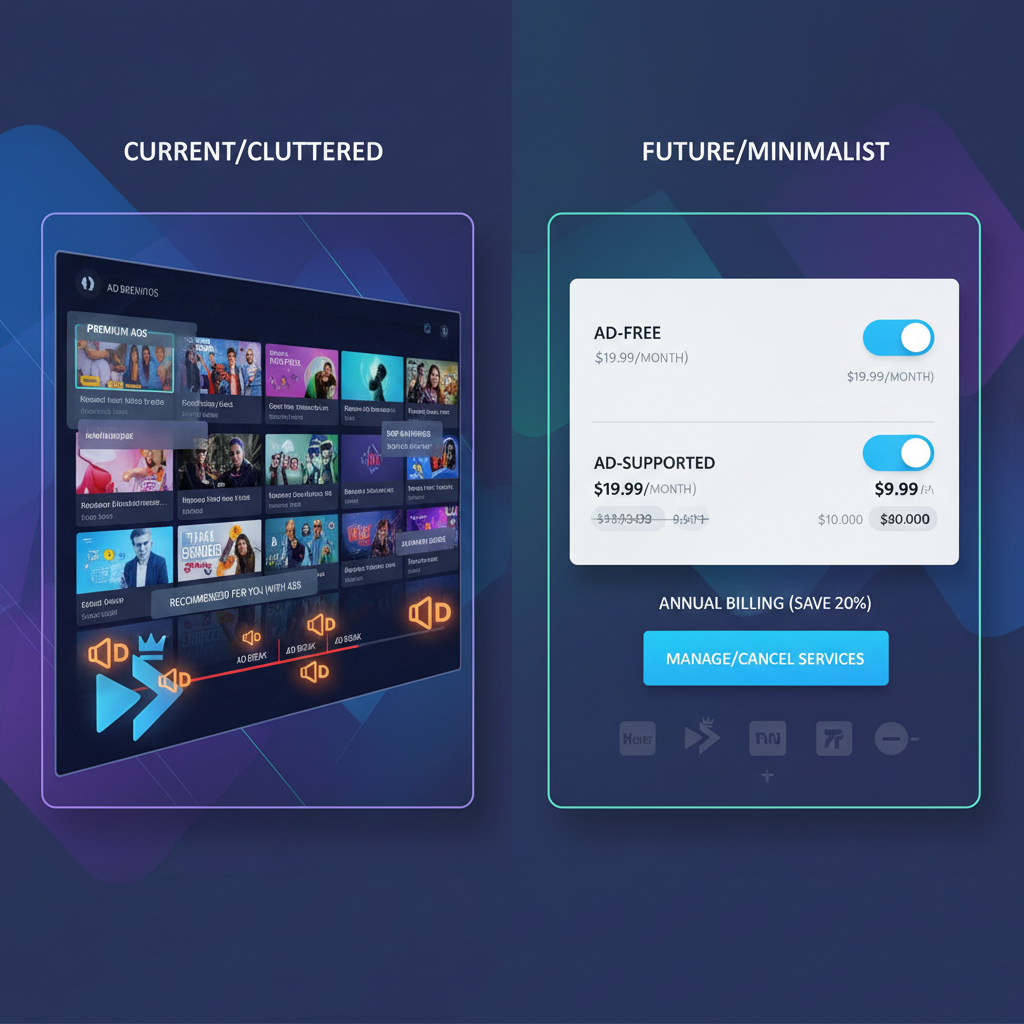
Why Amazon says it needs ads (and why customers aren’t buying it)
From Amazon’s perspective, the story goes like this:
- Streaming content is insanely expensive (just look at original shows, sports rights, and movies).
- The industry is shifting toward tiered models — ad‑supported and ad‑free — like Netflix, Disney+, Hulu, Peacock, and others.
- Adding ads supposedly lets Amazon “continue investing in compelling content” while “aiming to have fewer ads than linear TV.” (tvline.com)
None of that is false. But here’s why subscribers are still mad:
- People already pay a hefty annual fee for Prime; the idea that they must pay extra to avoid a degradation of service feels backwards.
- Ads have reportedly increased over time, so even the promise of “limited” ads feels like a moving target. (tvline.com)
- The change wasn’t a gentle nudge; it was an automatic migration to an ad‑supported tier with an upsell.
It’s not just about the business rationale; it’s about how the change was rolled out and how it feels to loyal customers.
What can you do if you want Amazon to remove ads from Prime?
If the current setup annoys you, you have more options than just screaming at your TV.
1. Support (or start) a petition — strategically
- Look for petitions with a clear, realistic ask (e.g., “restore ad‑free Prime Video for existing contracts or offer a meaningful discount on ad‑supported plans”).
- Share them in communities that care: Reddit threads, cord‑cutting forums, tech groups, etc.
- When you sign, consider leaving a concise, on‑point comment that media or advocates might quote.
Petitions with focused, specific demands are more likely to influence coverage and policy than vague venting.
2. Vote with your wallet
This is the big one.
Options include:
- Cancel or pause Prime for a while and note “ads on Prime Video” as the reason in exit surveys.
- Downgrade streaming usage: watch fewer Prime shows, prioritize other platforms, and make that clear in feedback.
- Avoid the ad‑free upsell if you want to signal that you don’t accept the structure — or, if you do upgrade, still leave feedback saying you felt forced into it.
Companies change direction when churn + bad PR outweigh new revenue.
3. File complaints with consumer agencies
If you truly feel misled — especially if you renewed just before the changes based on older marketing — you can:
- File a complaint with the FTC (in the U.S.).
- Contact your state attorney general’s consumer protection division.
Even if one individual complaint doesn’t do much, patterns matter to regulators.
4. Support consumer advocacy and legal efforts
- Follow consumer rights organizations that are already litigating or lobbying around subscription transparency.
- In countries where courts have been more protective (like Germany), similar legal theories may pop up elsewhere as precedents or inspiration. (brusselssignal.eu)
5. Use alternatives strategically
If you:
- Already have other services (Netflix, Hulu, Disney+, etc.),
- Or you’re comfortable rotating subscriptions month‑to‑month,
…you can de‑prioritize Prime as your main streaming choice. Streaming fatigue is real; if Amazon thinks Prime Video isn’t a major hook anymore, they might be more willing to adjust.
The most effective pressure is coordinated: petitions + cancellations + regulatory complaints + vocal feedback.
So… is a petition to remove ads from Amazon Prime worth signing?
If you:
- Believe that paid services shouldn’t quietly erode into ad‑fests,
- Want tech giants to think twice before pulling a mid‑contract switch,
- And you’re willing to back that signature with at least some behavior change (even if it’s just cutting back usage or sending feedback),
…then yes, a petition can be a useful part of a larger push.
Just don’t expect a single petition to magically turn Prime Video back into an ad‑free paradise overnight.
- Legally: U.S. courts have largely said Amazon is allowed to introduce ads under its current terms, calling it a “benefit modification,” not a price hike. (mediapost.com)
- Internationally: Some courts (like in Germany) are less convinced, which could inspire broader scrutiny. (brusselssignal.eu)
- Commercially: Millions of people are still paying extra every month for ad‑free Prime Video, and many more are just tolerating the ads. (thedesk.net)
If that bothers you, the next steps are pretty clear:
- Sign the petitions that align with your views.
- Tell Amazon why — directly, and on the way out if you cancel.
- Back it up with where you spend your time and money.
Streaming used to feel like freedom from cable. Now it’s starting to look a lot like cable with better UX. Whether that changes depends less on what Amazon can do, and more on what its customers are willing to accept.
Leave a Reply