Understanding the Amazon Warehouse Shooting
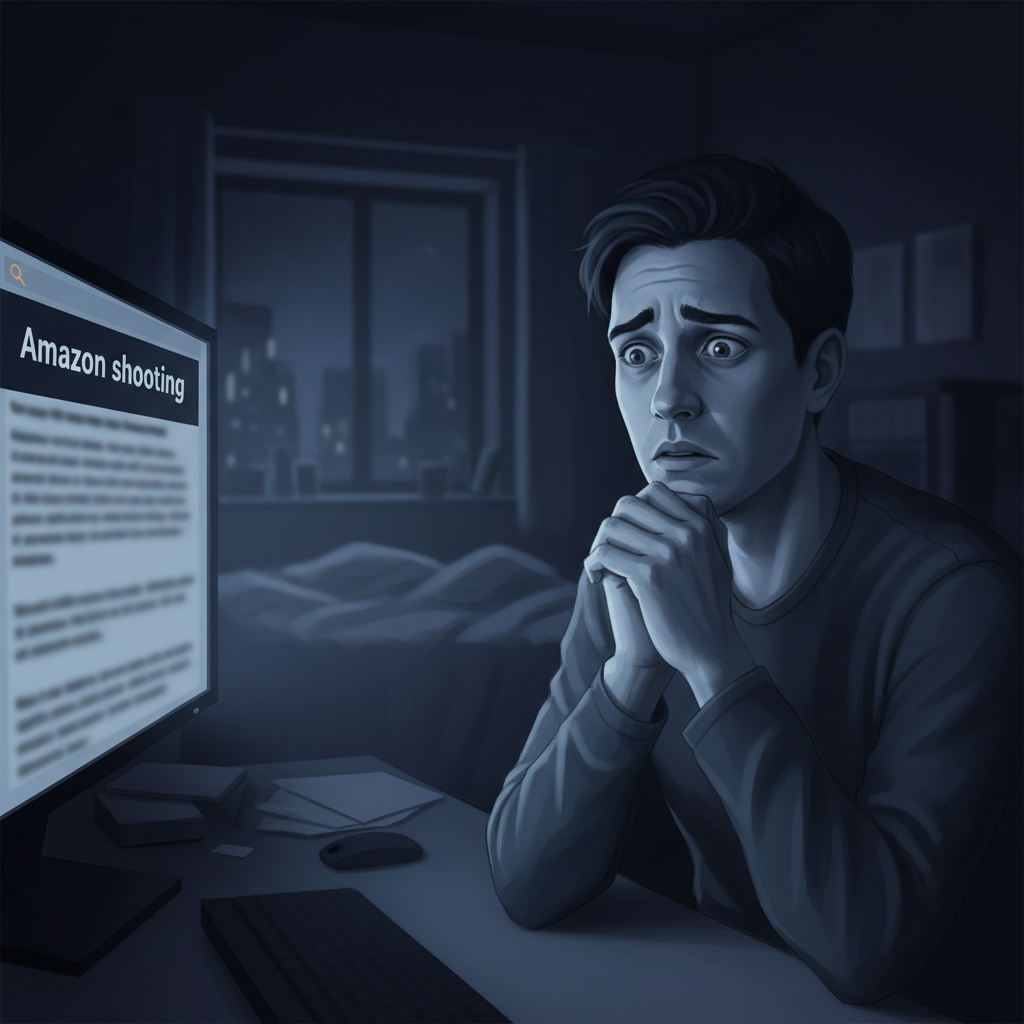
When you search “Amazon shooting,” you’re usually not bargain-hunting — you’re trying to make sense of something frightening and confusing.
If you found this by frantically Googling “amazon shooting,” you’re probably not looking for deals on tripods.
You’re likely trying to make sense of something far heavier: a shooting connected to Amazon — usually at or near one of its warehouses, delivery hubs, or offices. These incidents are rare compared to the scale of Amazon’s operations, but when they happen, they’re scary, confusing, and often poorly explained in the first wave of headlines.
This post is a plain-language guide to help you:
- Understand what “Amazon shooting” usually refers to
- Make sense of typical causes and patterns
- Know how to stay informed without doomscrolling
- Learn what safety measures and rights workers and customers actually have
No sensationalism, no clickbait — just context.

Amazon facilities are huge, visible, and everywhere — which is why their names end up in headlines when local violence happens nearby.
What does “Amazon shooting” usually mean?
When people say “Amazon shooting,” they’re almost always talking about a violent incident involving a firearm that occurred:
- At or just outside an Amazon facility (warehouse/fulfillment center, delivery station, office, or Whole Foods)
- In connection with someone who works for Amazon, a contractor, or delivery partner
- Sometimes near an Amazon driver on route
It rarely has anything to do with the company as a brand being targeted. More often, it’s a tragic overlap of:
- Workplace conflict or domestic issues spilling into the job
- Local crime near large industrial areas where warehouses are built
- Broader U.S. gun-violence trends intersecting with a very large employer
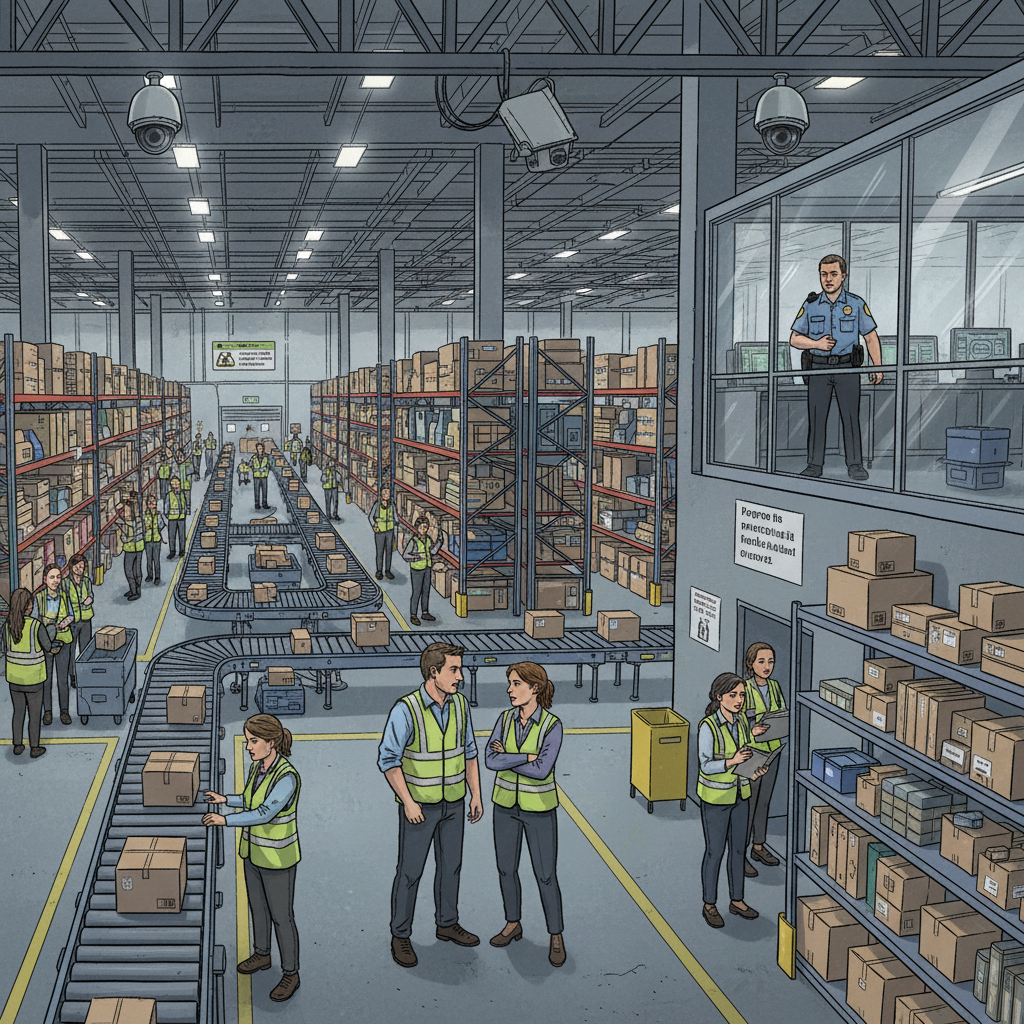
Inside the warehouse, everyday stress, shift work, and human conflict intersect with modern security systems and procedures.
Why do we keep hearing about shootings at big workplaces like Amazon?
Let’s be real: Amazon is everywhere.
In the U.S. alone, Amazon employs hundreds of thousands of people across warehouses, delivery stations, offices, data centers, grocery stores, and more. Any company that big almost inevitably becomes part of the broader story of American gun violence.
Put differently:
- Big workforce = higher chance some employees will be affected by crime, either at work or on the way to/from work.
- Warehouses are often built in industrial zones that may already have higher local crime rates.
- Shift work and stressful environments can contribute to conflicts that occasionally escalate.
None of that excuses what happens. It just explains why a large employer shows up in headlines more than a tiny company with 20 workers.
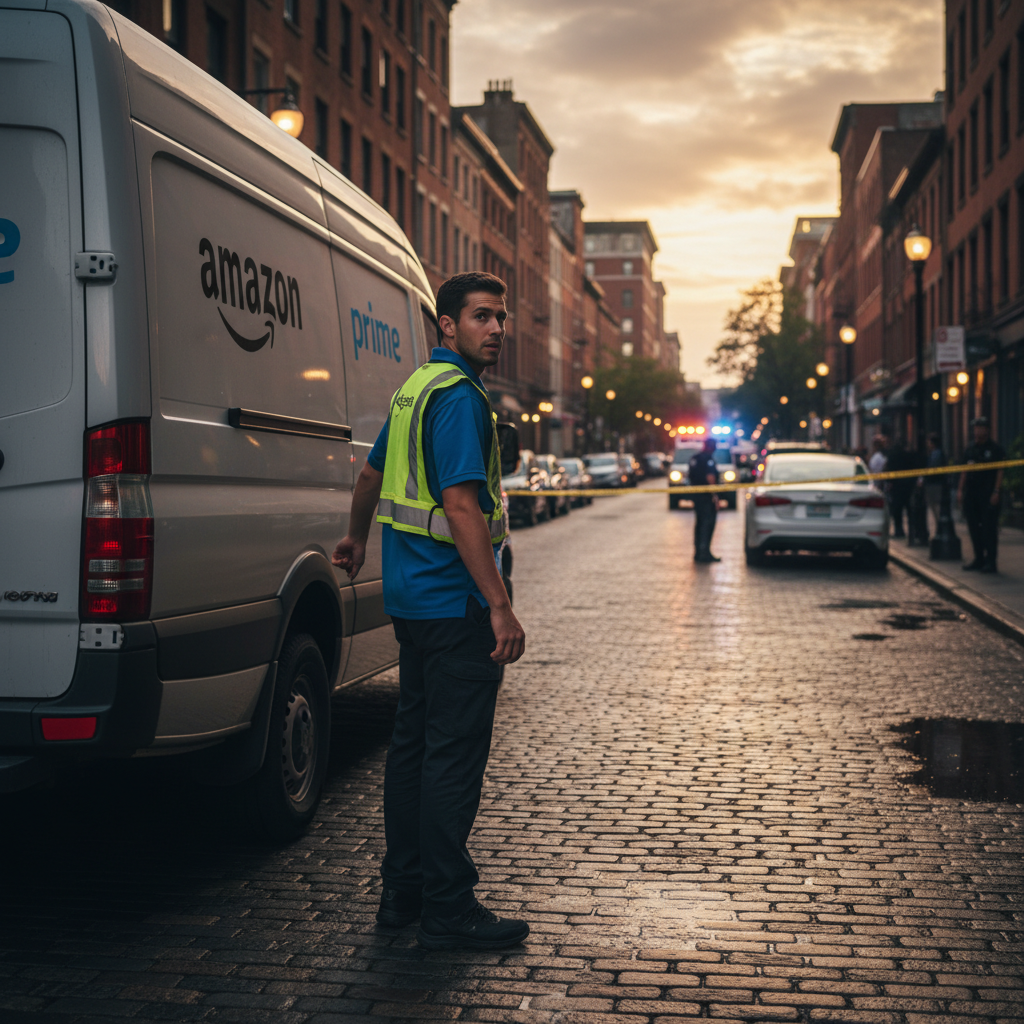
Headlines often mention “Amazon” even when the real story is local crime that happens to involve a driver or facility nearby.
Common patterns in Amazon-related shooting stories
Every incident is unique, but many “Amazon shooting” articles tend to fall into a few rough categories:
1. Workplace disputes or coworker conflicts
These are situations where:
- Current or former employees have a conflict
- Arguments escalate, sometimes after disciplinary action, harassment claims, or personal grudges
- Violence breaks out in or near the facility
You’ll often see phrases like:
- “Former employee returned to the facility…”
- “Argument in the parking lot turned violent…”
Why this matters: These cases raise questions about security screening, conflict de‑escalation training, and how seriously complaints are handled.
2. Domestic or personal disputes that spill into the workplace
In some cases, the shooting isn’t about the job at all — it’s about someone’s personal life:
- A partner, ex-partner, or family member shows up at the workplace
- A personal argument outside the facility turns into an act of violence
Because large employers are where many people spend most of their day, workplaces often become the stage where private conflicts erupt.
Why this matters: These incidents highlight the need for:
- Strong visitor screening
- Rapid reporting channels if workers feel threatened by someone in their personal life
- Coordination with local law enforcement when there are known risks
3. Random or nearby crime involving Amazon workers or drivers
Not every “Amazon shooting” headline means the location itself was the target.
Often it’s:
- A delivery driver caught in crossfire
- A shooting that starts as carjacking, robbery, or road rage
- An incident near — but not inside — an Amazon warehouse
The brand name still shows up in headlines because it’s recognizable, even if the root causes are local crime, not the company’s internal environment.
Why this matters: These cases tie into broader issues like city-level crime rates, infrastructure, and how gig and delivery workers are protected (or not) while on the road.
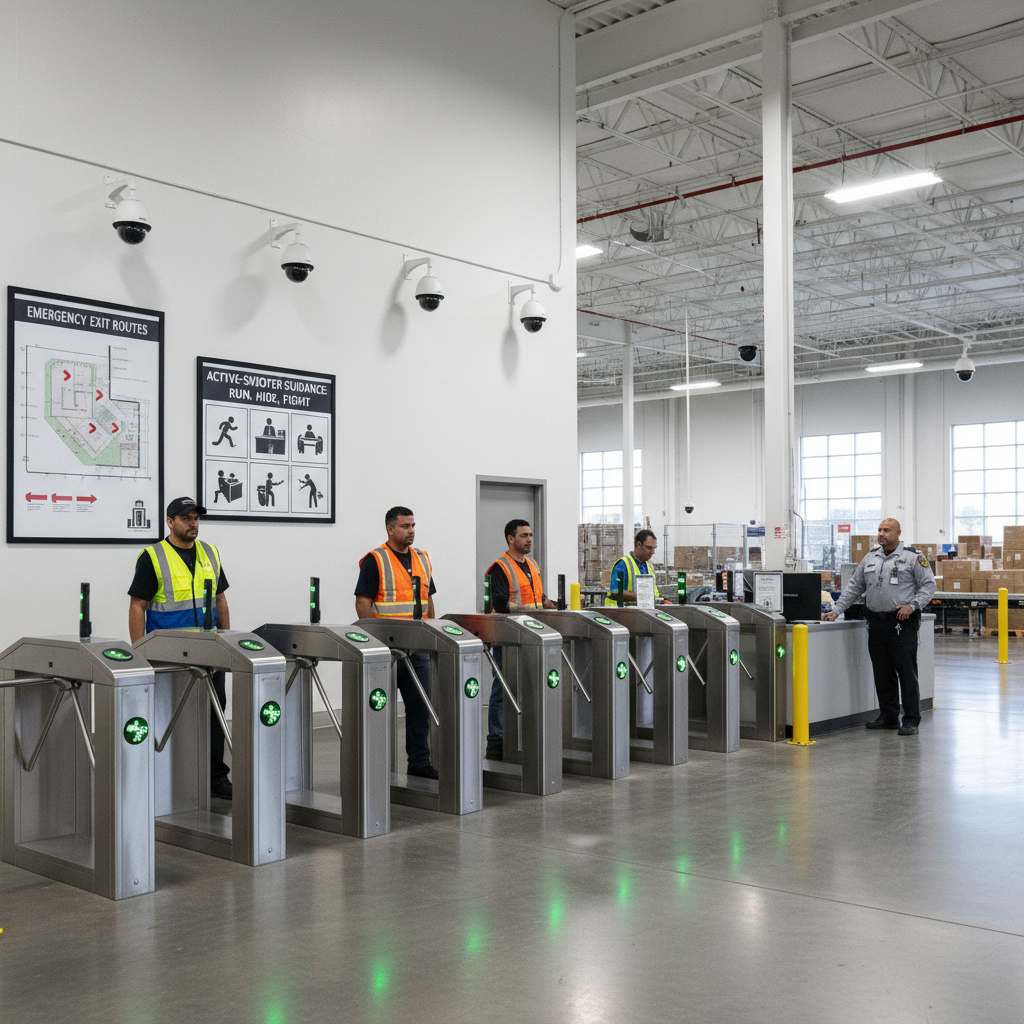
Security at large facilities often includes badges, guards, cameras, and posted emergency procedures — but how it feels to workers day-to-day can vary a lot.
How does Amazon typically respond to shootings at or near its facilities?
Publicly, Amazon’s responses usually follow a pattern:
- Immediate statement: Expressing condolences, calling the situation “tragic,” and saying the company is cooperating with law enforcement.
- Temporary closure: Affected facilities may shut down operations for some period while police investigate.
- Employee support: Amazon often references offering counseling or Employee Assistance Programs (EAP) to workers after traumatic events.
- Security references: They may mention working with security teams, reviewing procedures, or enhancing safety protocols.
Internally, depending on the situation, responses can include:
- Security audits of entrances, parking lots, and visitor processes
- Adjustments to ID checks, bag policies, or metal detectors (where used)
- Communication to staff about updated safety measures and contacts
Of course, the quality of that response — and whether workers feel safe — can vary widely based on location and local management.
What safety measures are common at Amazon warehouses?
Actual details can vary by country, city, and facility, but common elements often include:
- Badge-controlled access: Workers must scan in; visitors are logged.
- Security guards or contracted security staff: At entrances or roaming.
- Cameras (CCTV): Covering gates, entrances, loading docks, and often interior aisles.
- Emergency procedures: Evacuation routes, shelter-in-place instructions, and occasionally active-shooter guidance.
- Communication tools: Mass emails, texts, or app notifications to alert workers in emergencies.
In the U.S., many large employers now incorporate active shooter or workplace violence training into their safety programs — often the “run, hide, fight” model promoted by law enforcement.
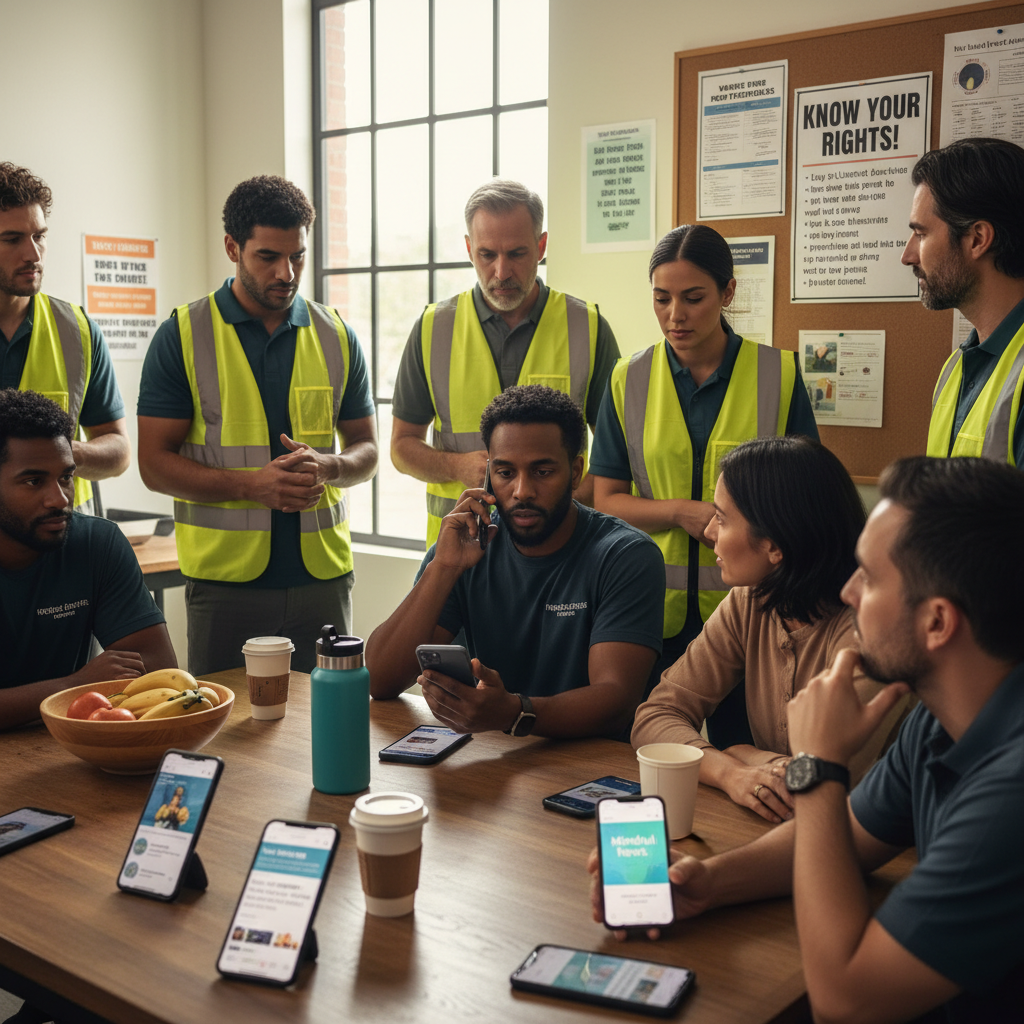
Safety isn’t just hardware and procedures — it’s also about rights, advocacy, and how workers use the resources available to them.
If you work at an Amazon facility, what can you do about safety?
You shouldn’t have to be your own security consultant at work — but realistically, there are a few concrete steps you can take.
1. Learn your facility’s emergency plans
If you’re an Amazon employee, ask or check for:
- Where to go in an evacuation
- What to do in a lockdown
- Who your on-site safety managers or HR contacts are
- How to quickly report threats or concerning behavior
If the answer you get is, “Uh… not sure,” that’s a red flag — and also something you can politely push to improve.
2. Speak up about warning signs
Most workplaces have some kind of reporting channel for:
- Threatening comments
- Harassment
- Stalking by partners or ex-partners
- People trying to access the building who shouldn’t be there
If you feel unsafe because of a specific person or situation:
- Document what’s happening (dates, times, what was said or done).
- Report it both internally (manager, HR, security) and externally (local law enforcement) if it feels urgent or dangerous.
- If you’re in a unionized facility, loop in your union rep as well.
Is it awkward to be “the one who reported it”? Yes.
Is your safety more important than temporary awkwardness? Also yes.
3. Use your rights and resources
Depending on where you live, you may have rights related to:
- Safe working conditions
- Protection from retaliation for reporting safety concerns
- Medical leave or counseling after a traumatic incident
If you’re unsure, consider:
- Talking to a trusted coworker who’s been there longer
- Reaching out to an employee advocacy group or union, if one exists at your site
- Looking up local labor law resources (many states have worker hotlines or legal-aid organizations)
If you’re just trying to figure out what happened in a specific Amazon shooting
Maybe there was an incident in your city, or near someone you know. How do you get real information without losing your mind scrolling apps all night?
1. Start with local news, not just social media
Local outlets usually have:
- More accurate location details
- Updates from the police department or sheriff’s office
- Follow-up coverage on victims, community impact, and investigations
Social media can be helpful for on-the-ground observations, but it’s also where rumors explode.
2. Look for these details in reports
When reading about a specific incident, focus on:
- Where exactly did it happen? Inside the warehouse, in the parking lot, on a nearby street?
- Was the facility the target, or just the setting? (domestic dispute vs. workplace conflict vs. random crime)
- Are there credible updates from law enforcement? Not just “sources say,” but named agencies.
- Is there any mention of prior threats or warning signs? That often shows up in follow-up stories.
This helps you distinguish between:
- “This is about broader crime in the area”
- “This is about a specific relationship or individual”
- “This may reflect deeper workplace issues that need addressing”
3. Take care of your mental bandwidth
Staying informed is good. Reliving the same traumatic story via 20 slightly different posts? Not so much.
Consider:
- Setting a time limit for checking updates
- Following one or two reputable sources instead of 10 random accounts
- Taking breaks from graphic or speculative content
Where this leaves us: big companies, real people, and hard questions
“Amazon shooting” sounds like a single event, but it’s really a cluster of painful realities colliding:
- The scale of a huge employer
- The very real problem of gun violence in many communities
- The stress and vulnerability of warehouse and delivery work
- The limits of corporate security in a society where guns are widely available
As a reader, worker, or neighbor, you don’t control national policy or corporate budgets. But you do have a say in:
- How seriously you take safety concerns at work
- How much pressure you and your coworkers put on management to improve security
- What information you choose to amplify or question when these stories break
If you came here worried: that’s normal. If you leave with at least a clearer mental picture — of what “Amazon shooting” might mean, what patterns typically lie underneath, and what you can do next — that’s a step in the right direction.
Stay curious, stay skeptical of half-baked posts, and above all, stay safe.
Leave a Reply